
Dehydrated Skin
Helping you understand, restore and maintain healthy skin hydration…
Understanding Dehydrated Skin
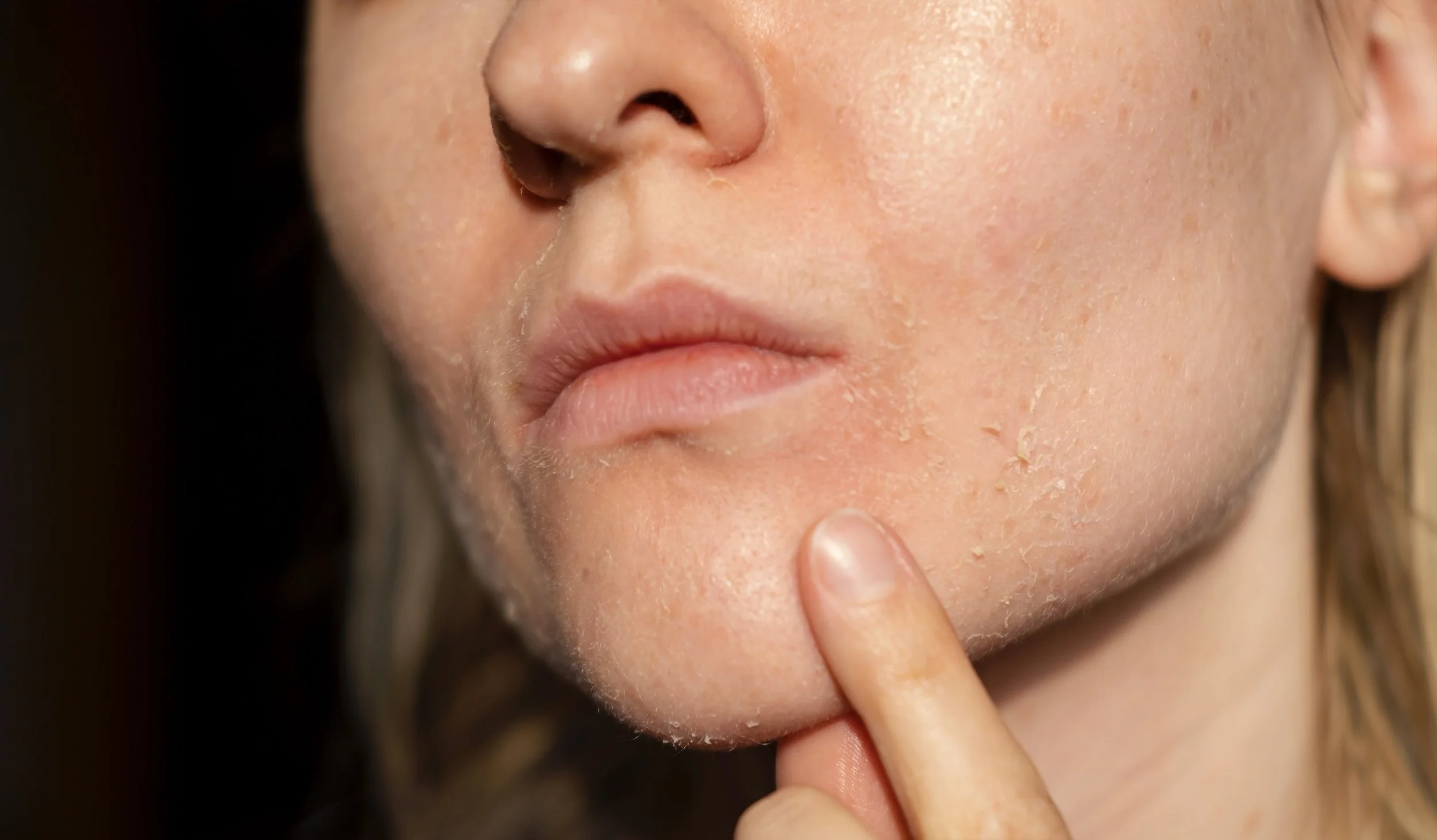
Does your skin feel tight, uncomfortable or look dull, despite regularly applying moisturiser? Perhaps you've noticed fine lines becoming more visible, increased sensitivity or unexpected redness?
These can all be signs of dehydrated skin, a condition frequently mistaken for naturally dry skin.
Unlike dry or oily skin, dehydration isn't a skin type, it's a skin condition, meaning it can affect anyone, regardless of how much oil their skin naturally produces. Yes, even oily skin can be dehydrated!
At ME, we often see clients trying to correct dehydration by applying more moisturiser, without realising that the problem may lie in their skin's ability to retain water in the first place.
What is Dehydrated Skin?
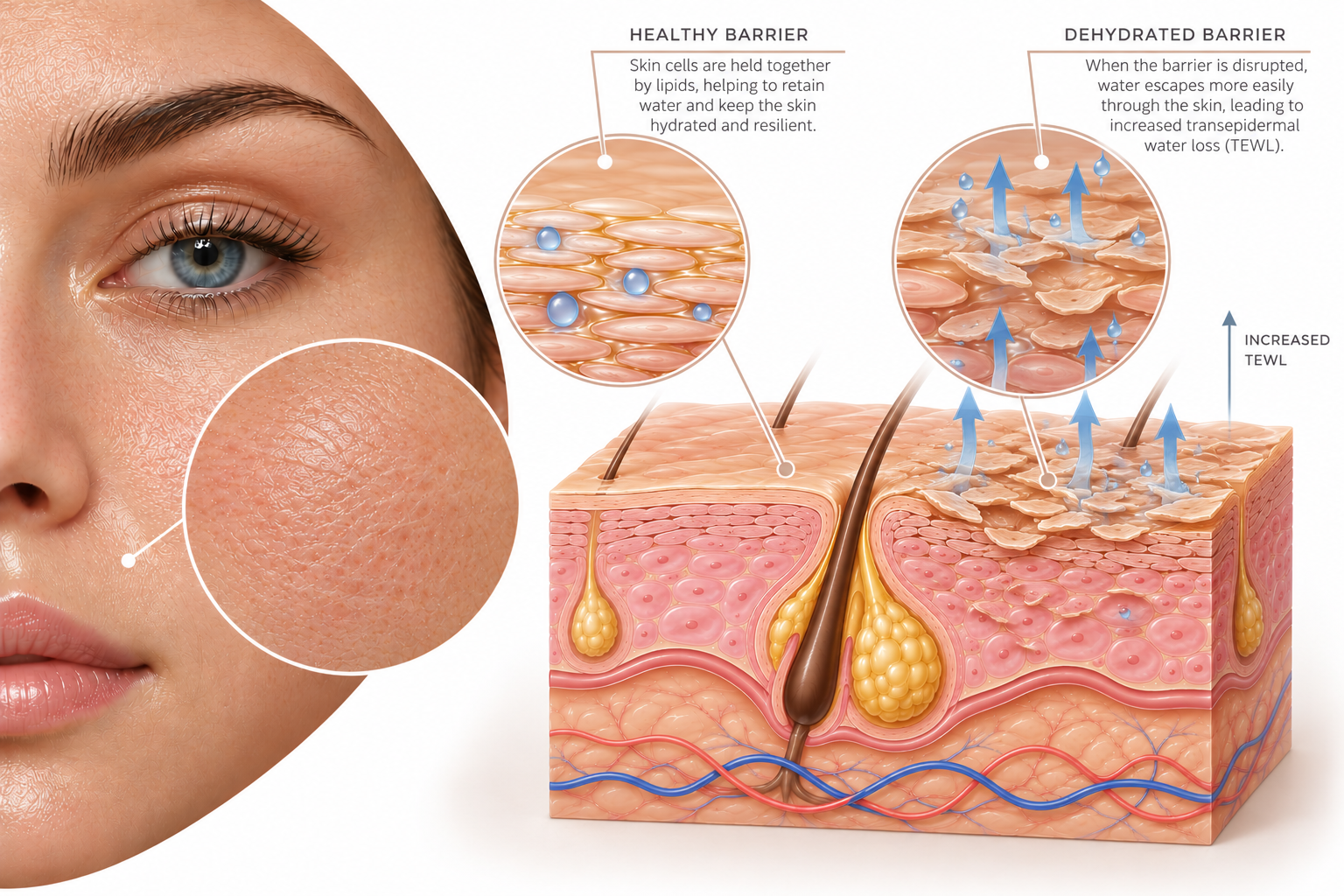
Dehydrated skin occurs when the skin's outermost layers lack sufficient water, often associated with increased transepidermal water loss (TEWL).
Our epidermal barrier relies on essential lipids, including ceramides, cholesterol and fatty acids, alongside natural moisturising factors (NMFs), to help retain water and maintain healthy skin function.
When this barrier becomes disrupted, water escapes more readily, leaving the skin feeling tight, rough, dull or uncomfortable, regardless of its natural skin type.
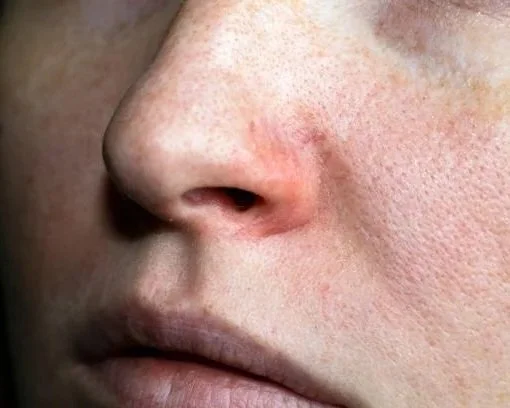
A compromised barrier can also allow irritants to penetrate more easily, triggering an inflammatory response that may contribute to redness, sensitivity and further barrier disruption.
While drinking enough water is essential for overall health and skin function, even someone who is well hydrated internally can experience dehydrated skin if their epidermal barrier isn't functioning effectively.
This is why simply adding more hydration isn't always the answer. Supporting the skin's ability to retain moisture is equally important.
What can influence Dehydrated Skin?
Several internal and external factors can affect the skin's ability to maintain adequate hydration.
Environmental factors: Cold weather, low humidity, wind and central heating can increase water loss.
Skincare habits: Harsh cleansing, over-exfoliation and unsuitable products can disrupt protective epidermal lipids.
Hormonal changes: Particularly during menopause, hormonal fluctuations can affect skin hydration and barrier function.
Water & cleansing: Frequent washing, hot water and changes in water hardness can contribute to dryness and irritation.
Ageing: Changes in epidermal lipids and natural moisturising factors can reduce moisture retention.
Medications & skin conditions: Certain medications and inflammatory conditions, such as eczema, can impair barrier function.
Lifestyle & health: Inadequate water intake, excessive fluid loss, poor nutrition and certain health conditions can influence skin hydration.
Importantly, dehydration doesn't always look like dry skin. Some people experience tightness alongside surface shine, while others notice redness, sensitivity or more visible fine lines.
Recognising these differences helps us understand what your skin actually needs.
How Can We Help?
At ME, our approach to dehydrated skin is rooted in Corneotherapy, focusing on supporting the skin's natural barrier function rather than simply providing temporary hydration.
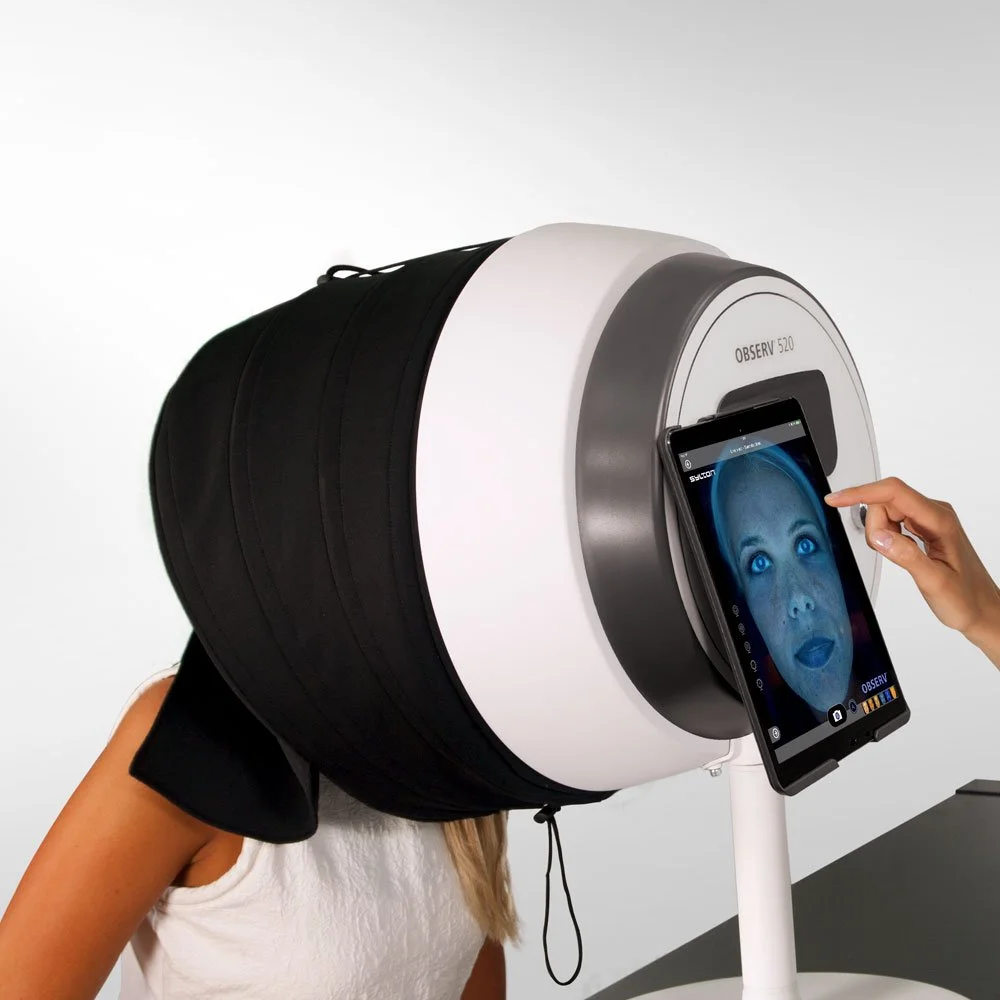
Through a comprehensive consultation and Observ 520x skin analysis, we assess your skin's condition, skincare routine and potential internal and external influences to identify signs of dehydration, barrier disruption and associated inflammation.
Our bespoke treatments and carefully selected Dermaviduals formulations focus on replenishing essential epidermal lipids, supporting natural moisturising factors (NMFs) and reducing excessive transepidermal water loss.
By helping to restore a healthier barrier, we aim to improve moisture retention, calm inflammation and strengthen your skin's resilience, leaving it feeling more comfortable, supple and balanced.
Because treating dehydration isn't simply about putting more water into the skin. It's about helping your skin hold on to the moisture it already has.
Not sure where to start?
Whether you choose our Skin Health Consultation for an in-depth understanding of your skin, or My First Skin Treatment, combining a comprehensive consultation with your first bespoke skin health treatment, we'll help you make sense of your skin and create a personalised plan to support its long-term health.