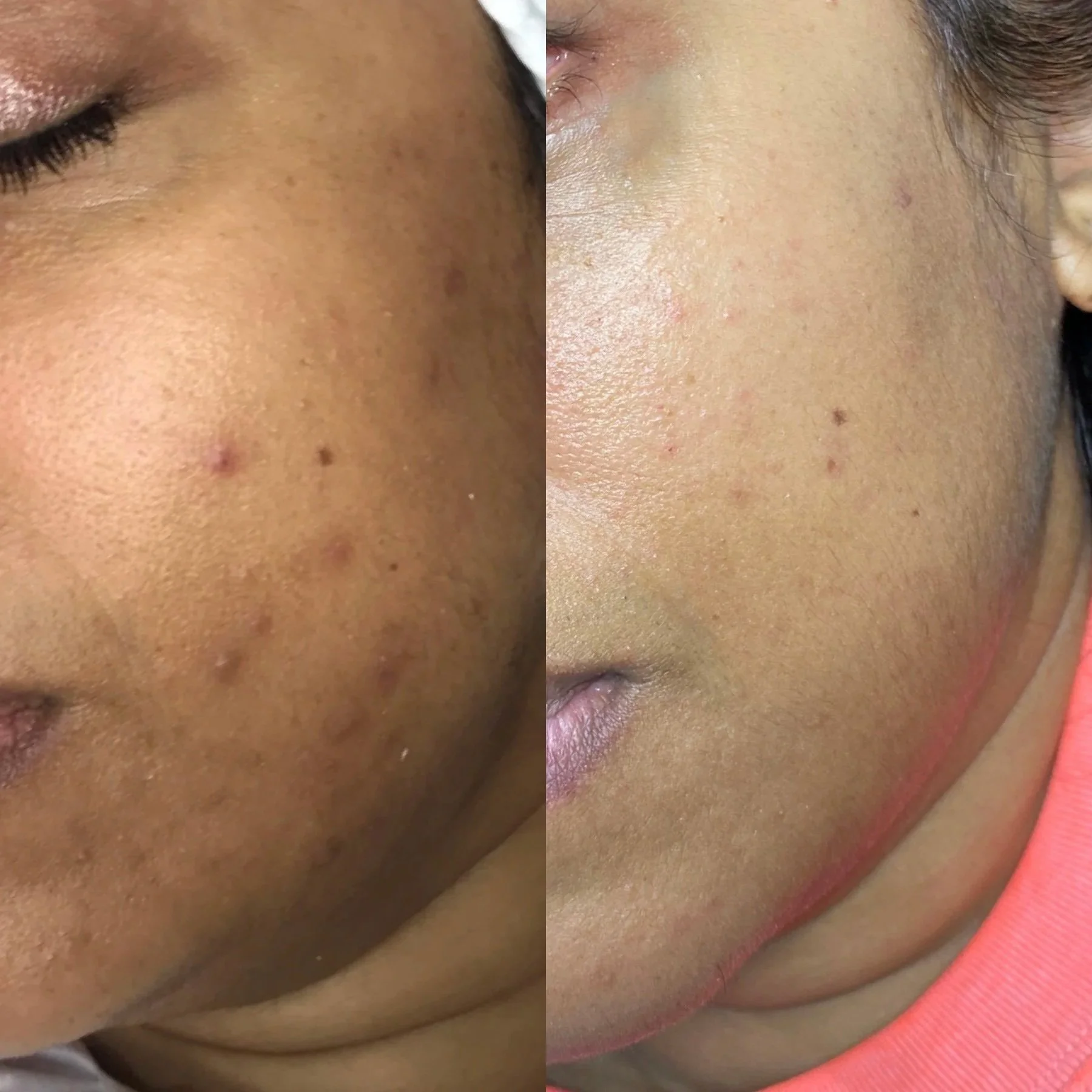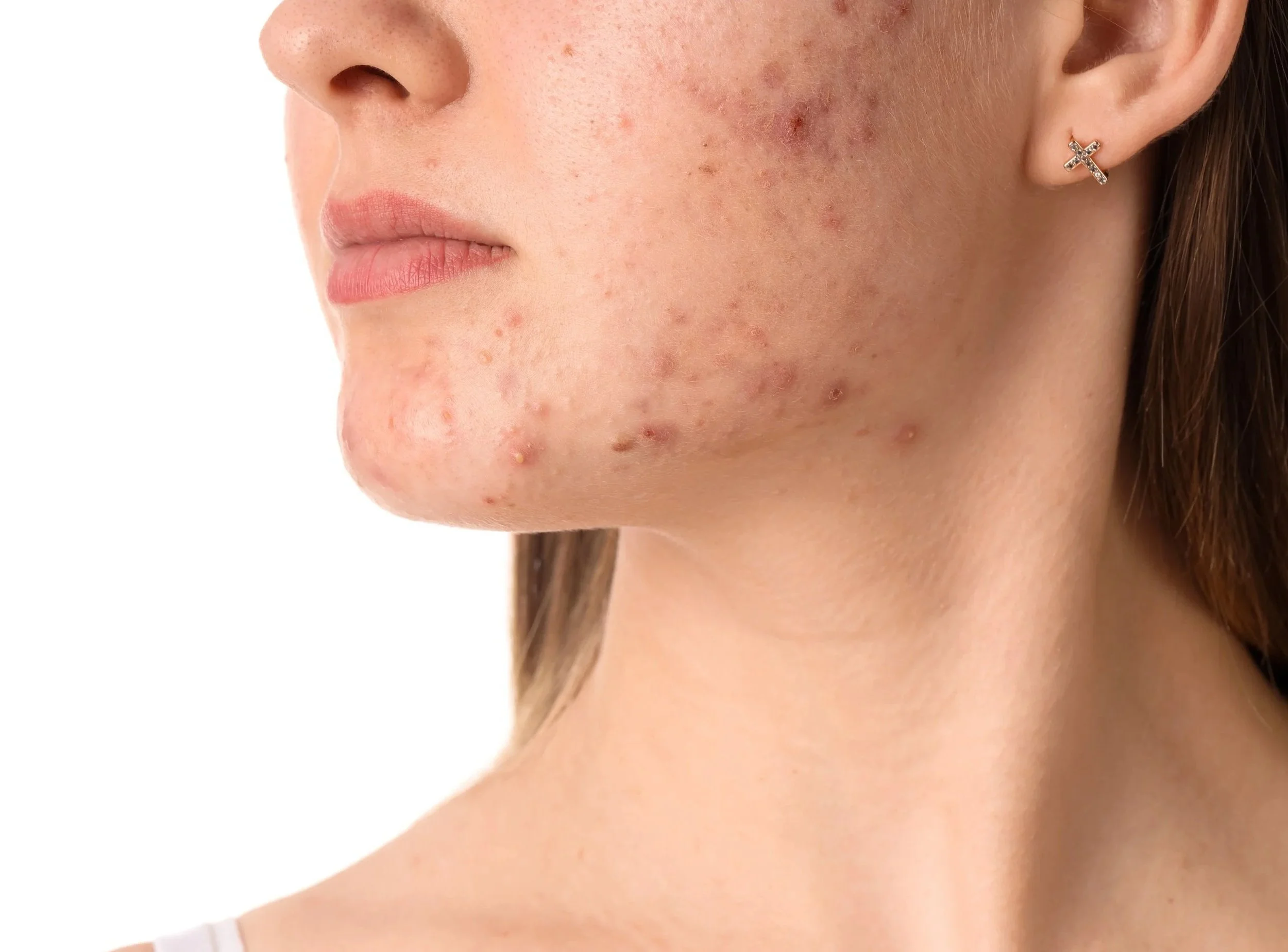
Acne
Helping you understand, manage and navigate Acne with confidence…
Understanding Acne
Helping you understand what may be driving your breakouts and how we can work with your skin to improve its health, rather than simply trying to dry out or strip away spots.
We understand just how frustrating and debilitating acne can be, and the impact it can have on confidence and everyday life. By the time many of our clients come to us, they feel as though they have tried everything - countless products, treatments and often different medical approaches - without ever really understanding why their skin is behaving the way it is.
Acne is a common inflammatory skin condition that can affect us at any stage of life, from the teenage years through to adulthood. It isn't simply a case of having oily or unclean skin, and there is rarely one single thing to blame.
Acne is a multi factorial condition. While there can be a genetic predisposition, its development and behaviour can be influenced by a combination of processes within the skin alongside hormones, stress, lifestyle and external influences.

How Does Acne Develop?
Acne begins within the pilosebaceous unit, which consists of the hair follicle and its associated sebaceous gland.
When the normal shedding of skin cells within the follicle becomes disrupted, dead cells can accumulate and combine with sebum, contributing to a blocked pore. This creates an environment in which inflammation and breakouts can develop.
Depending on what is happening within the follicle, this may present as blackheads, whiteheads, inflamed spots or deeper lesions.
Rather than simply focusing on the spot we can see, we want to understand what is happening within the skin that allowed it to develop in the first place.
Different Types of Acne
-
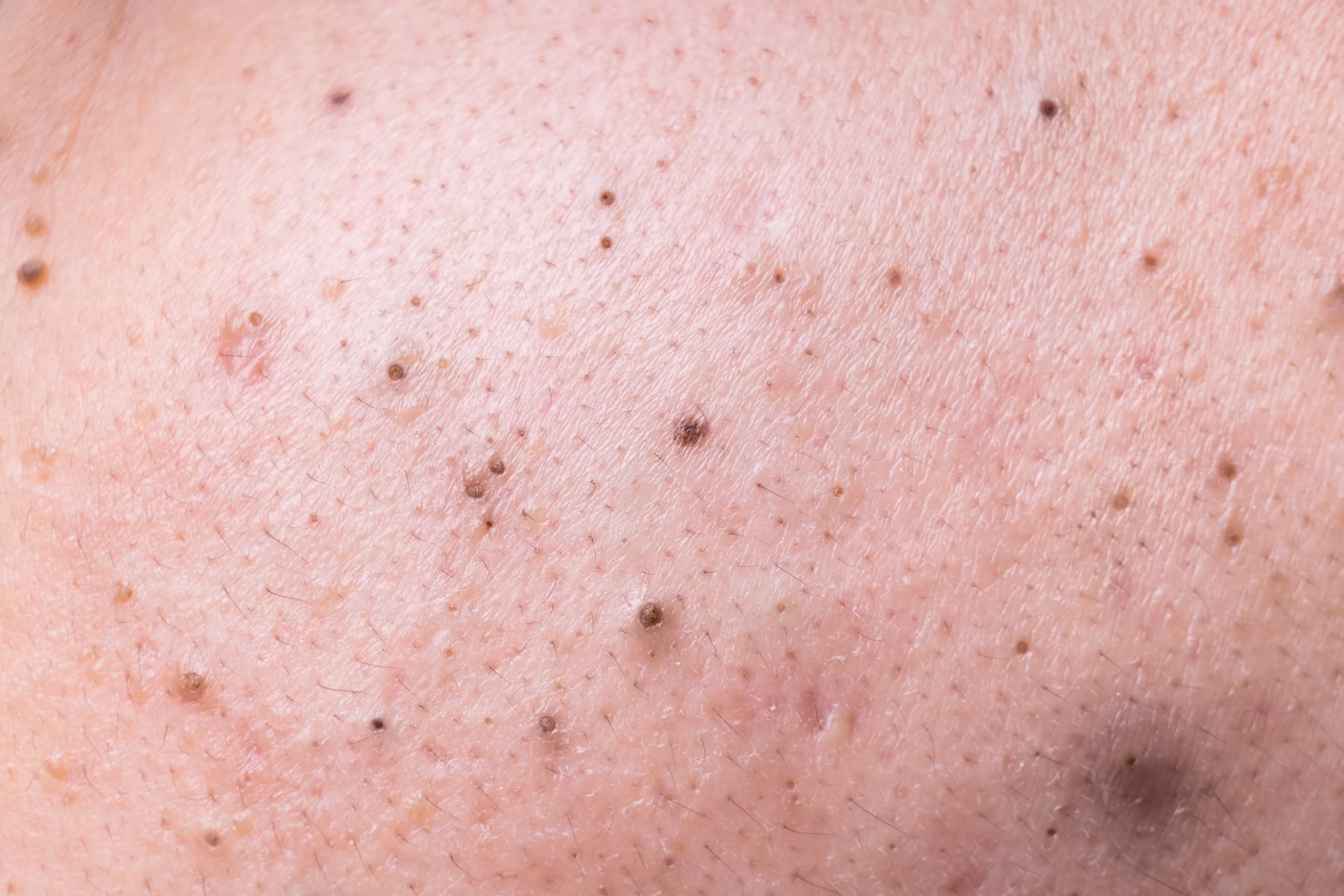
BLACKHEADS
Open comedones caused by a build-up of sebum and dead skin cells within the follicle. The dark appearance is caused by oxidation at the surface, not dirt.
-
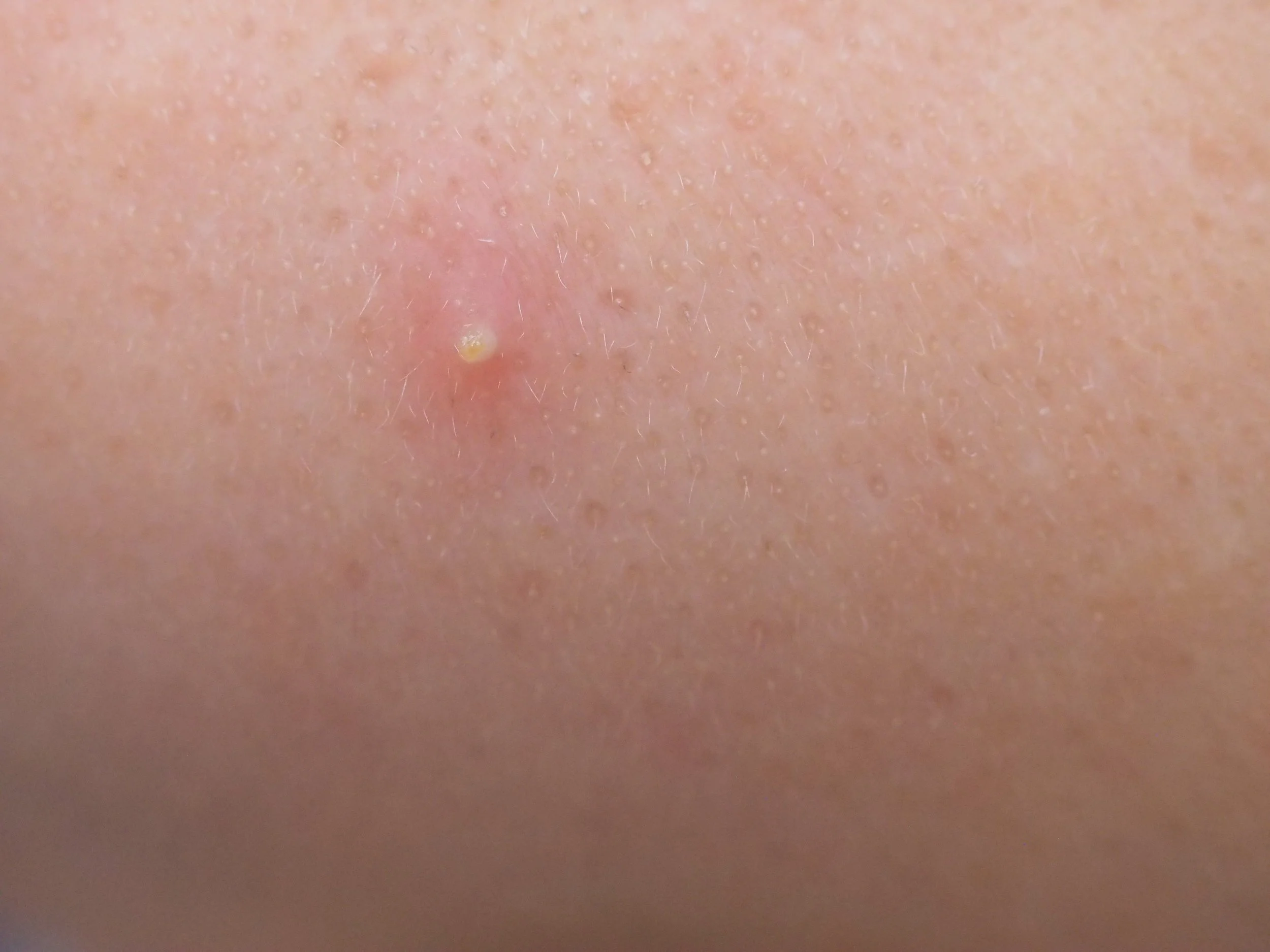
WHITEHEADS
Closed comedones where the follicle becomes blocked beneath the surface of the skin, creating a small flesh-coloured or white bump.
-
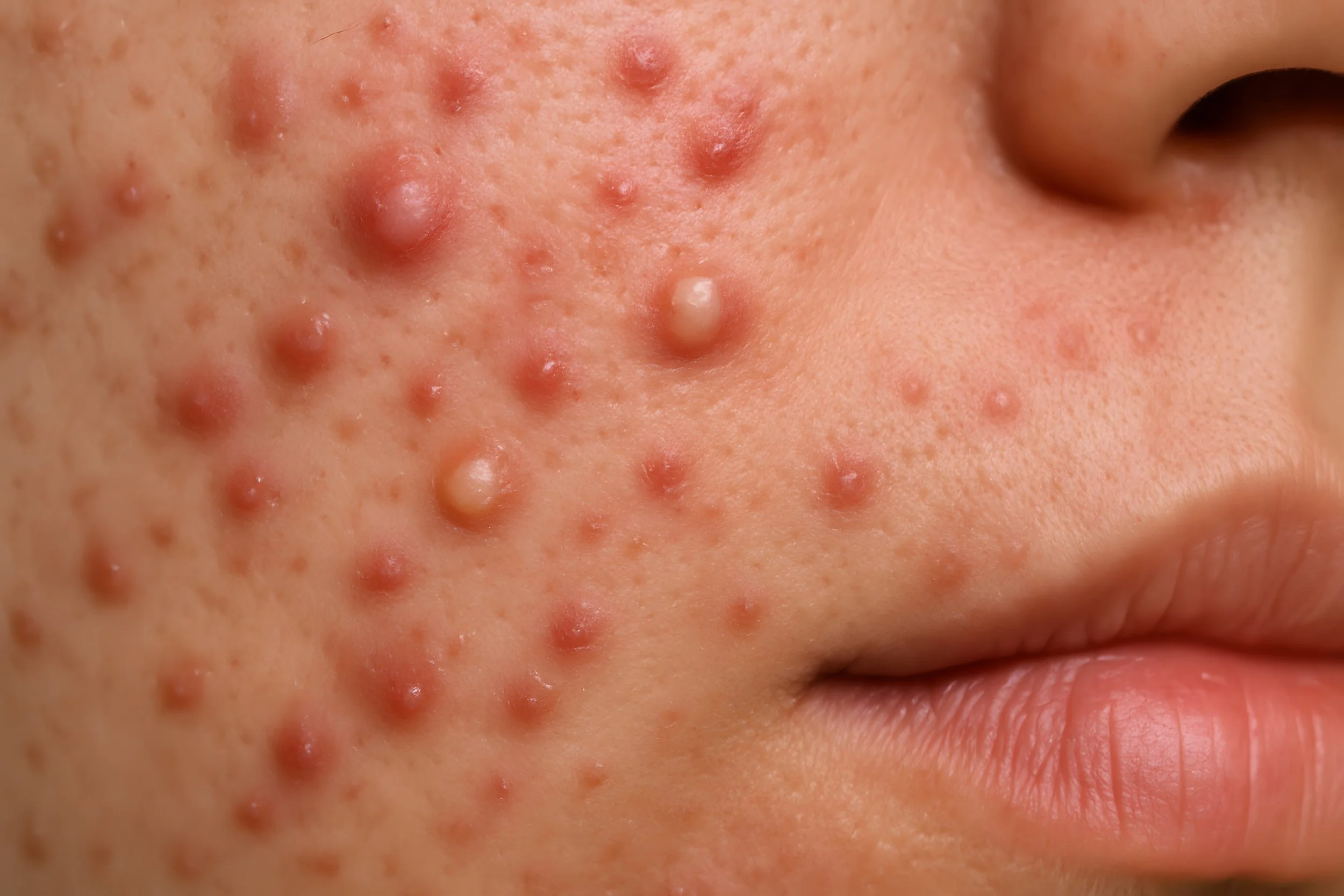
PAPULES & PUSTULES
Papules and pustules are inflamed lesions that appear red and raised. Pustules also contain visible fluid or pus as part of the inflammatory response.
-
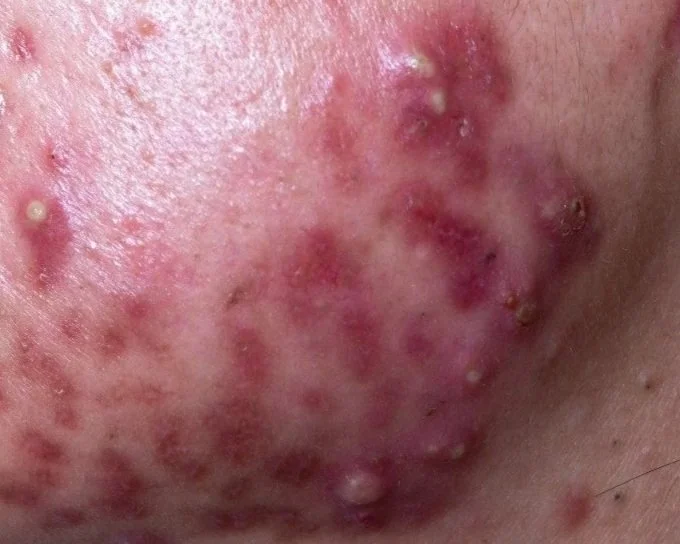
NODULES & CYSTIC LESIONS
Deeper, more inflammatory lesions that develop within the skin and can feel tender or painful and have a higher risk of scarring.
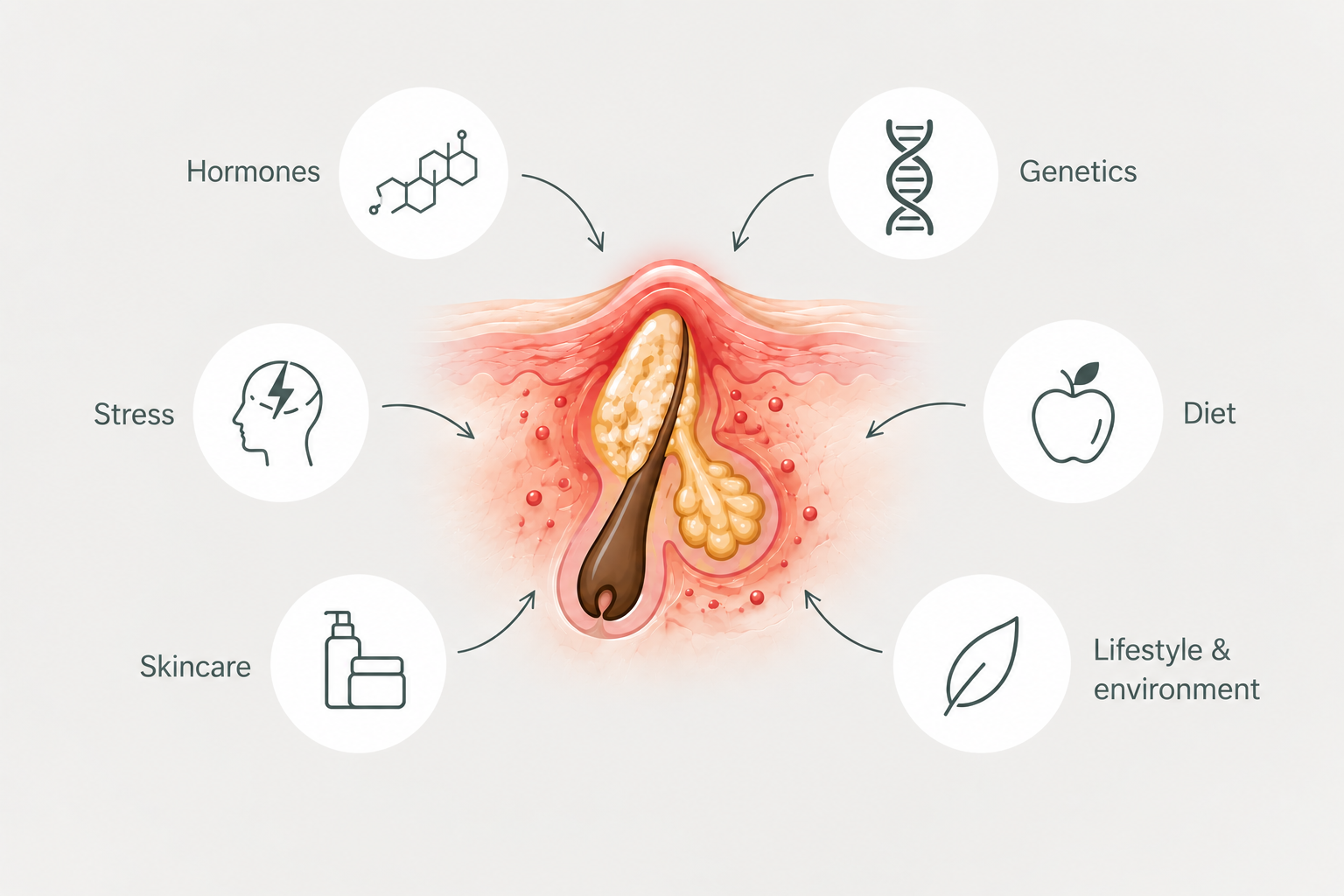
What can influence Acne?
Acne is a multi-factorial condition with a genetic predisposition, meaning there is rarely one single trigger or cause.
Think of developing a spot a little like making a cake — you can't make a cake with just one ingredient. In the same way, several factors usually come together to create a breakout.
Hormones, stress, diet, skincare, inflammation, lifestyle and environmental influences can all play a part. These influences can also change throughout life, which is why acne may begin during the teenage years, continue into adulthood or appear for the first time later in life.
“When it comes to acne, the spot is only one part of the story.”

Medical Treatment Vs Our Approach
Medical management of acne can include prescription topical treatments, oral antibiotics, hormonal treatments such as the contraceptive pill, spironolactone or isotretinoin (Roaccutane).
While these treatments can help control the processes involved in acne, they may not address all of the underlying or contributing factors influencing an individual's skin, and acne can sometimes return once treatment is stopped.
We also don't believe acne-prone skin needs to be aggressively scrubbed, peeled, stripped or continually dried out. Our focus is on supporting the epidermal barrier, calming inflammation and improving the health and function of the skin.
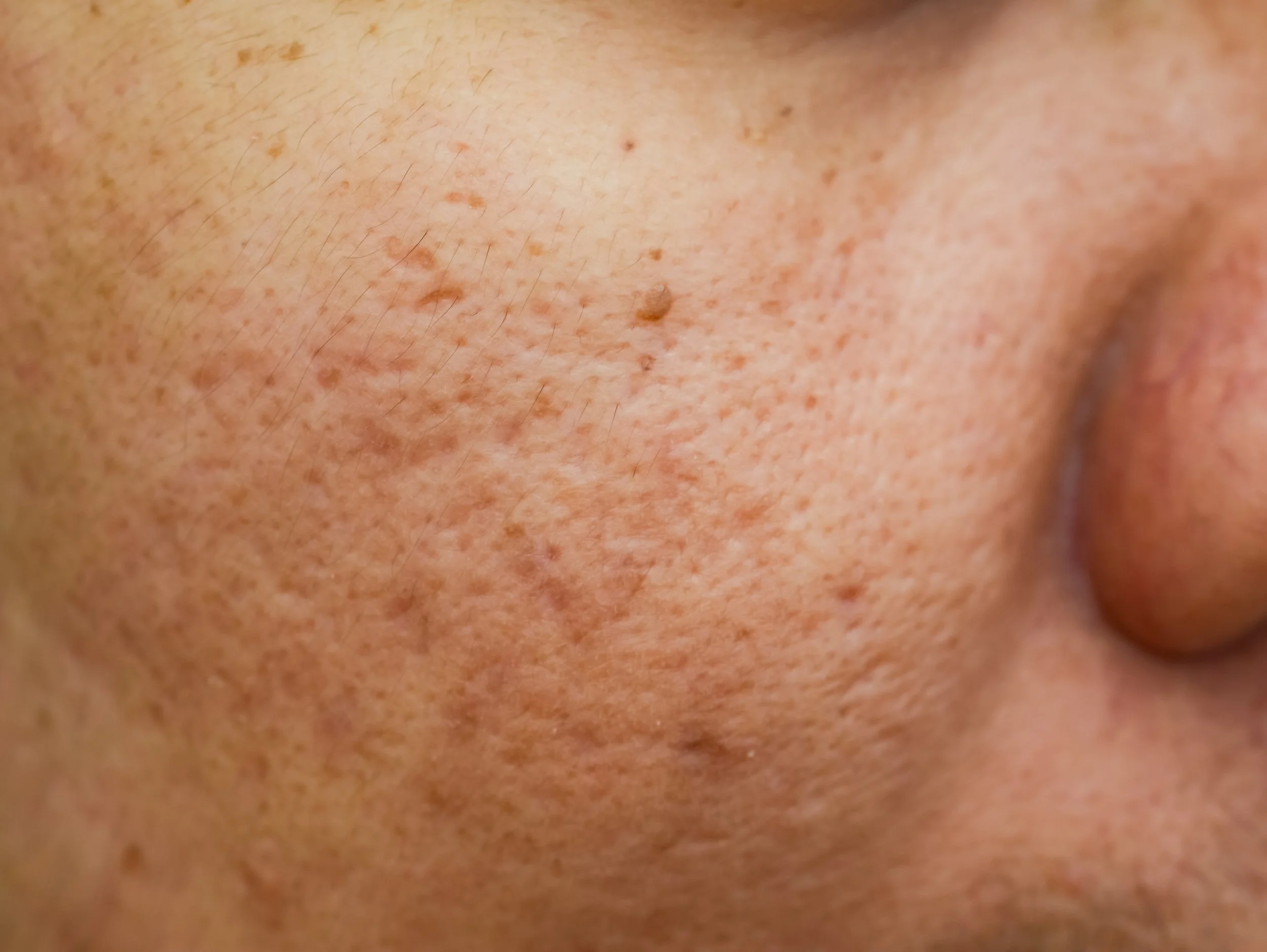
What About Acne Scarring?
When active acne and scarring are present together, our priority is always to get the breakouts under control first — we don't want to run before we can walk.
As the acne begins to settle and we work on improving the overall health and function of the skin, post-inflammatory erythema (PIE) and post-inflammatory hyperpigmentation (PIH) may also start to improve naturally as part of the treatment plan.
Once the skin is calmer and more stable, we can take another look at what's left behind and decide whether any additional treatments would be beneficial. Depending on what's suitable for your individual skin, we may introduce more targeted modalities, such as IPL (Intense Pulsed Light) to address PIE and PIH, or microneedling to stimulate collagen production and improve the appearance of pitted or atrophic acne scarring.
How Can We Help?
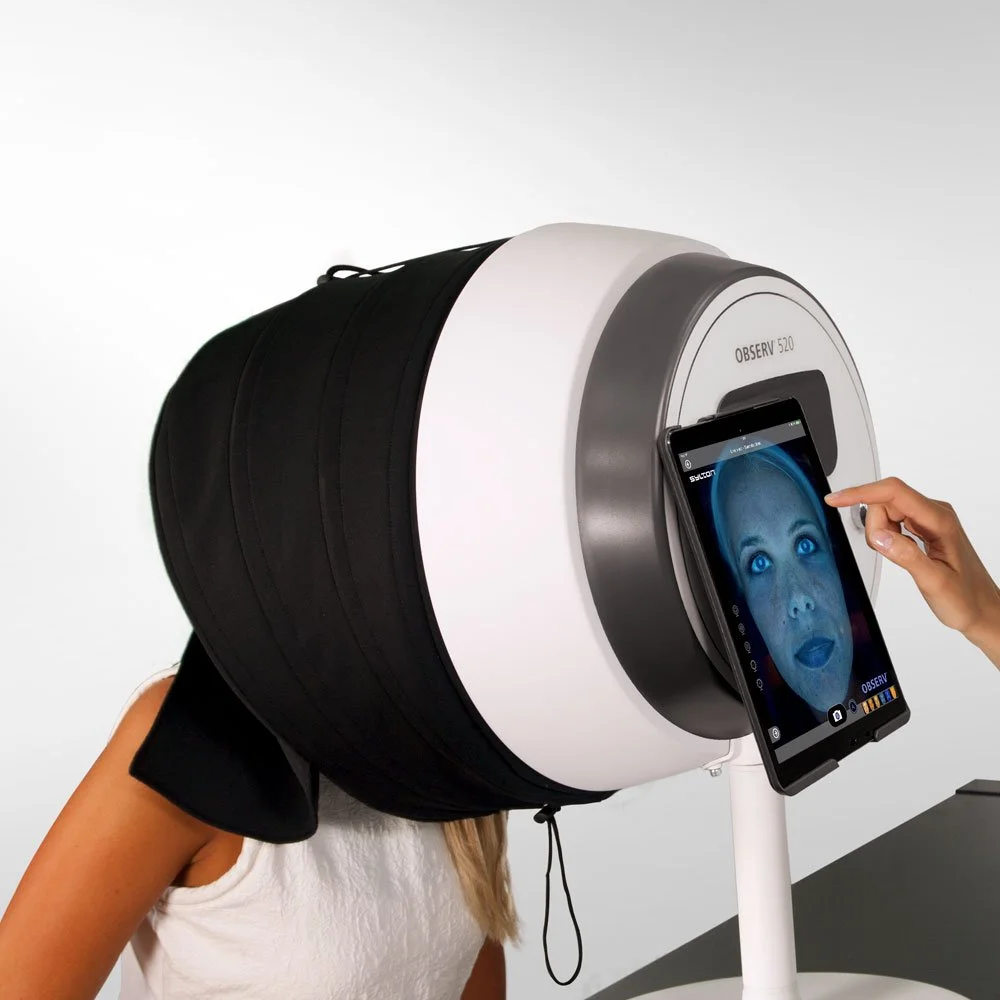
We recommend starting with a Skin Health Consultation or My First Skin Treatment, where we take a detailed history and use our Observ 520x skin imaging system to help us understand your skin and the factors that may be influencing it.
We also use our Observ 520x skin imaging system to give us a more detailed view of the skin and help guide your individual treatment and homecare plan.
Acne often requires a 360° approach. Rather than focusing solely on what we apply topically, we consider the skin as a whole, including inflammation, sebaceous activity, keratinisation, hormones, lifestyle and the health of the epidermal barrier. Where appropriate, your plan may also include targeted skin supplementation and dietary changes alongside your treatments and prescriptive skincare.
There is no one-size-fits-all solution or quick fix. Our aim is to help you understand what may be driving your acne and work towards clearer, calmer and more resilient skin long term.
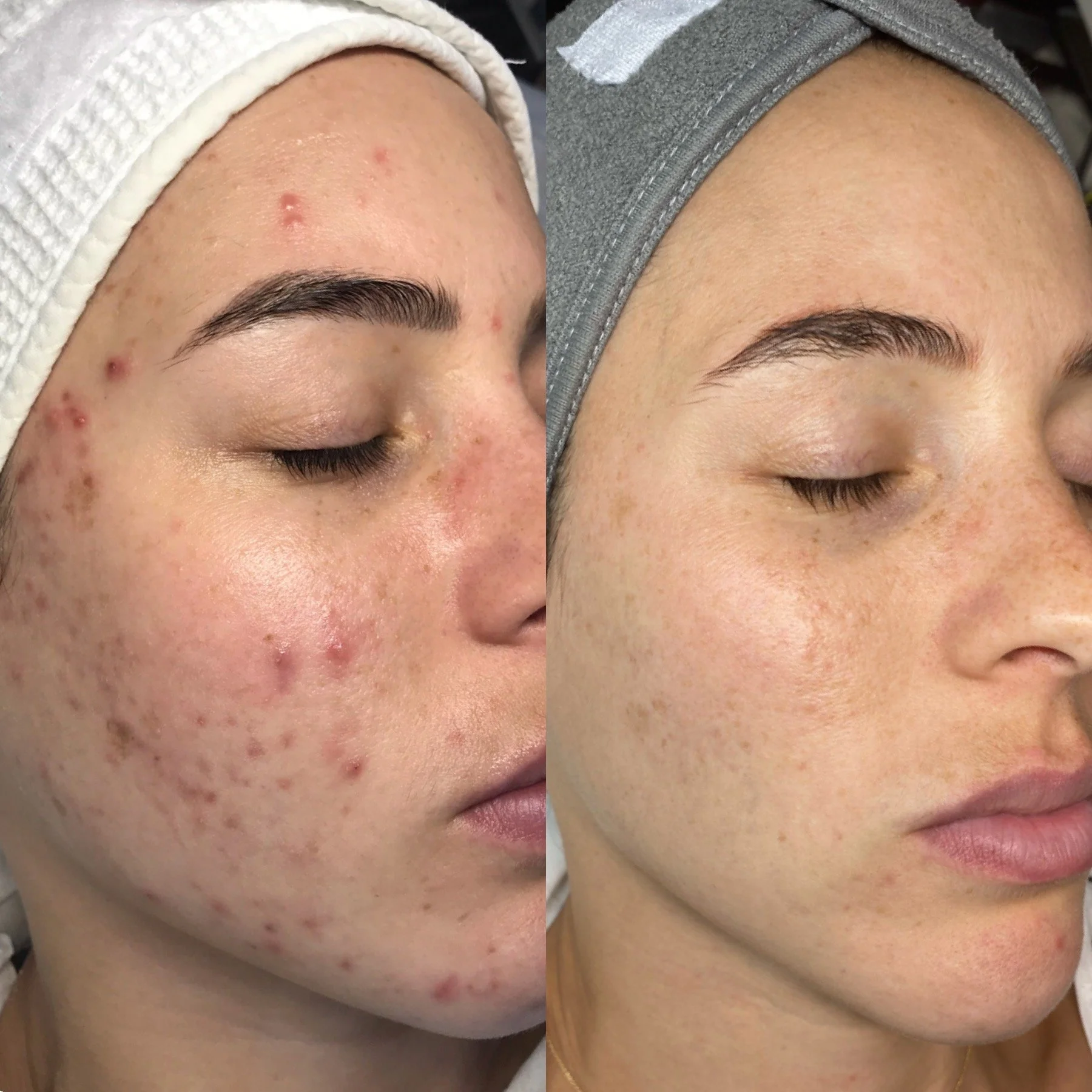
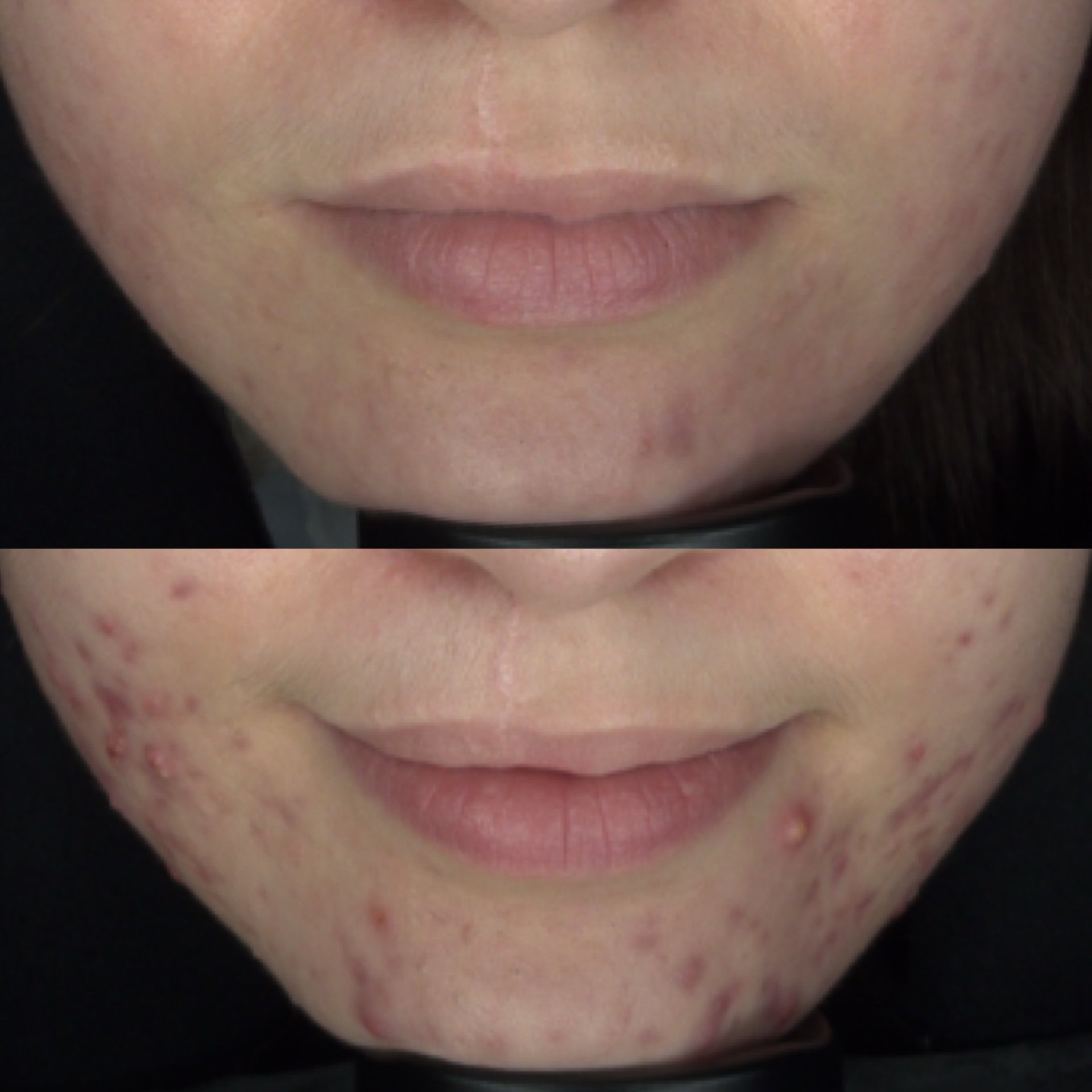
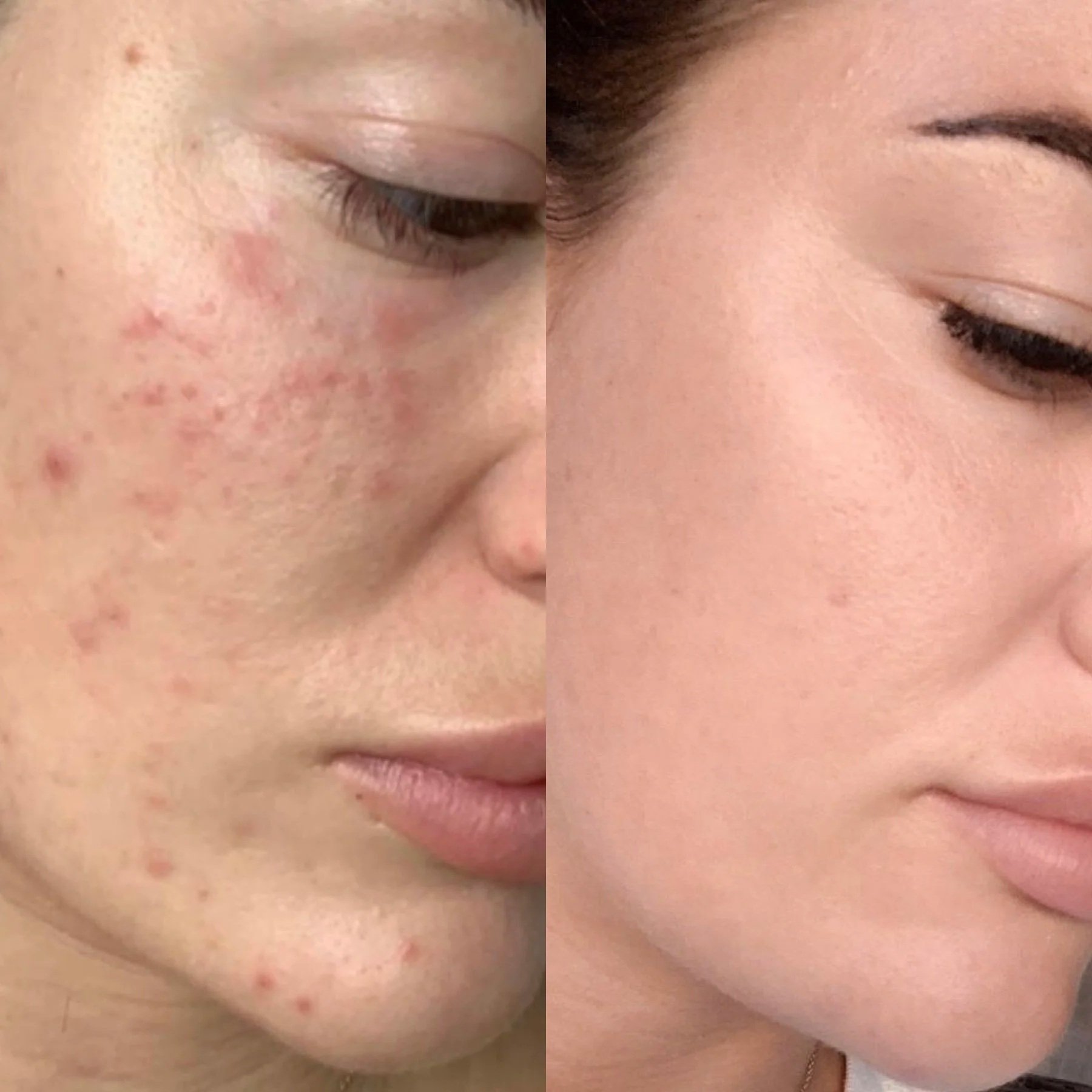
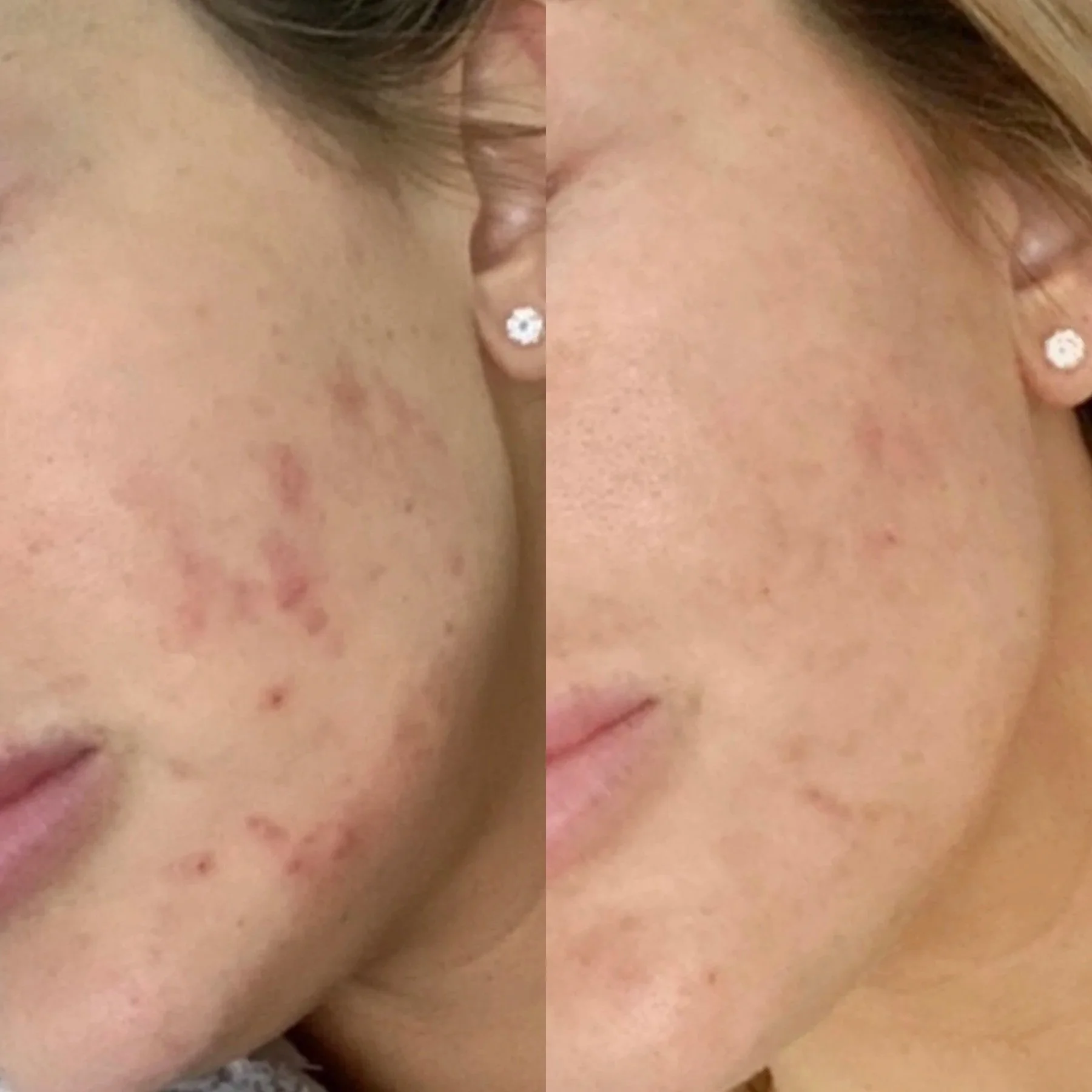
Real Results