Aging Skin
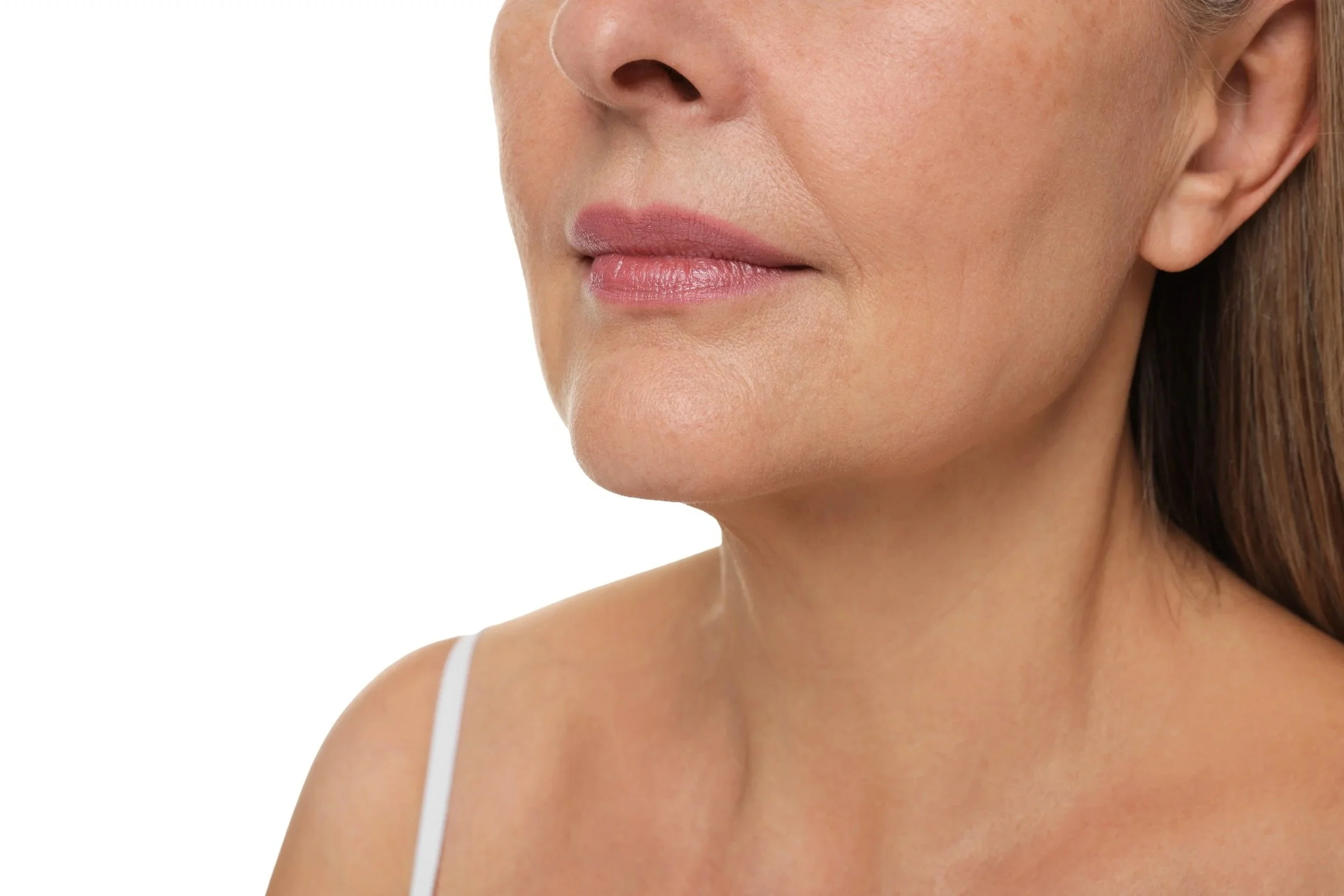
Ageing is inevitable. How we look after our skin along the way can make a real difference.…
Understanding Aging
Skin ageing is a little more complex than simply losing collagen or developing wrinkles. There are numerous changes taking place within the skin and the underlying structures of the face, some of which
we can influence and others that are simply part of getting older.
At ME, our approach is rooted in Corneotherapy. Rather than relying on aggressive treatments that repeatedly challenge the skin, we focus on achieving optimal cellular function, preserving the epidermal barrier and creating an environment in which the skin can function at its healthiest.
We believe that healthy, functioning skin will always be the best foundation for ageing well.
How our Skin Ages
-
Epidermal Changes & Barrier Function
Changes in cell renewal and essential epidermal lipids can compromise barrier function, increasing transepidermal water loss (TEWL), dehydration and uneven skin texture.
-
Reduced Cellular Function & Nutrient Supply
Age-related changes in microcirculation and nutrient delivery can affect how efficiently skin cells receive the oxygen and nutrients needed for normal function and repair.
-
Collagen, Elastin & Hydration Loss
From the age of 25 Collagen and elastin gradually start to decline. The skin also becomes less efficient at retaining water, making fine lines, creases and texture more noticeable.
-
Structural Changes
Loss and redistribution of facial fat, alongside changes in bone structure, alter facial contours and the support beneath the skin. These structural changes can contribute to sagging, hollowing and a loss of facial definition.
The Mattress Analogy
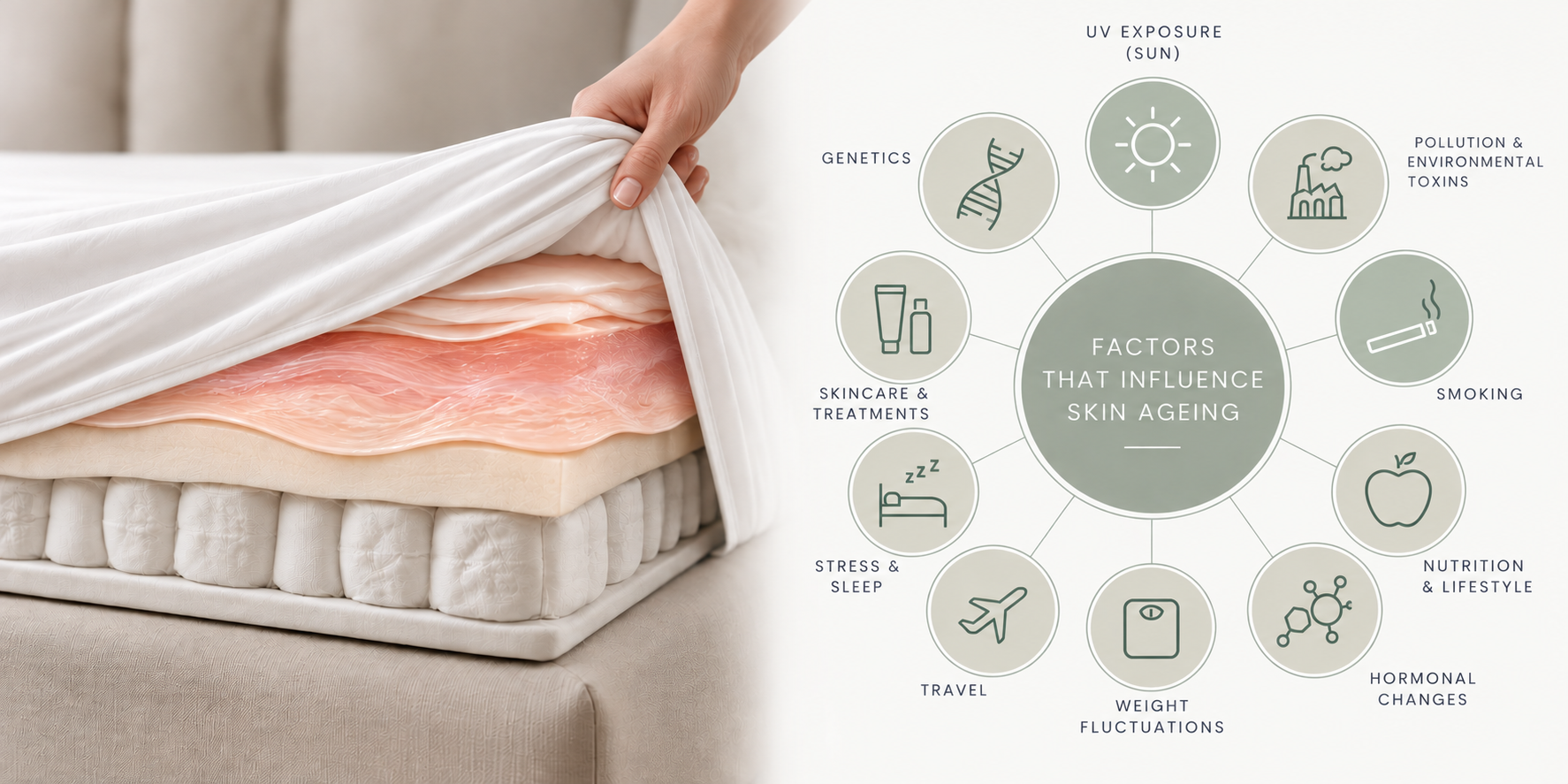
Imagine your face as a mattress with a fitted sheet stretched over the top.
The mattress represents the underlying structures of your face: your bones, muscles and fat pads. The fitted sheet represents your skin, including the epidermis and dermis.
When everything is new, the sheet fits beautifully. If we look after it, it will continue to look lovely for years. But over time, the mattress underneath begins to change shape. It loses some of its volume and support, and naturally, the sheet no longer fits quite as tightly as it once did.
You can have the healthiest sheet in the world, but you cannot completely control what happens to the mattress underneath.
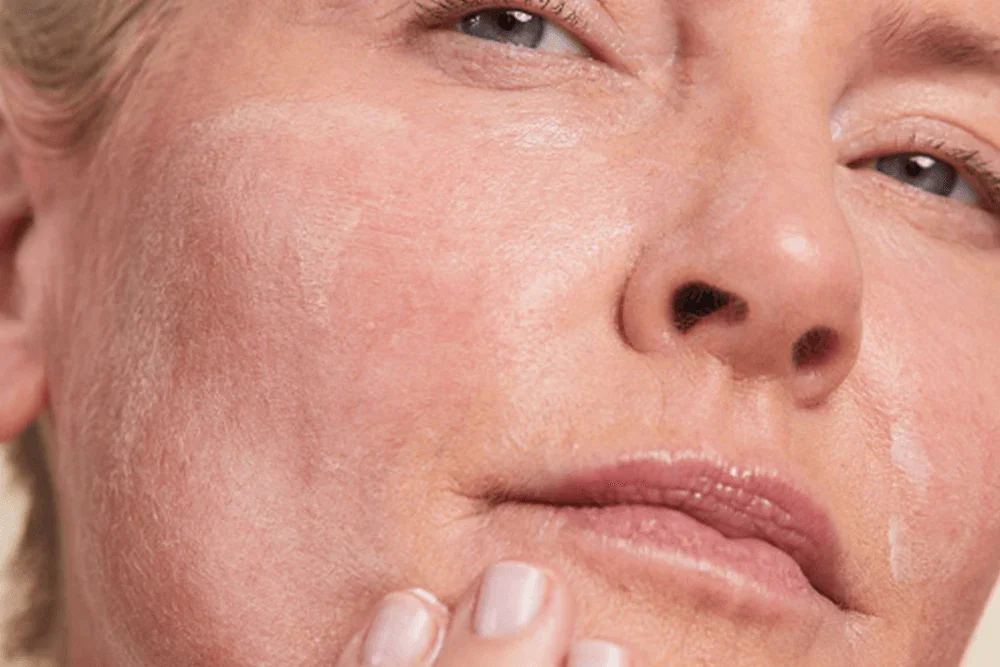
Why the Epidermis Matters so Much
When we talk about anti-ageing, the conversation almost always turns to collagen. But some of the earliest visible signs of ageing are changes in pigmentation, uneven texture, dullness, dehydration and fine lines.
The epidermis is responsible for so much of what we actually see when we look at someone's skin.
Research increasingly links epidermal barrier dysfunction, chronic low-grade inflammation and skin ageing. As barrier function declines, increased water loss and inflammatory processes can contribute to premature ageing.
When the skin is functioning optimally and sufficiently hydrated, superficial creases become less noticeable and light reflects more evenly, leaving the complexion looking smoother, plumper and healthier.
This is why we place so much emphasis on epidermal health, not simply what we can stimulate deeper within the skin.
“We put back in what life takes out”

You Can't Peel Back Time!
One of the biggest misconceptions in anti-ageing skincare is that we need to continually remove the outer layers of skin to make it look younger. At ME, we take a very different approach.
Think about an orange or a banana. Its outer skin has an important job: protecting everything underneath. Our skin has its own protective layer, the stratum corneum, which forms a vital part of the epidermal barrier.
It isn't simply a collection of dead cells waiting to be removed. It's a highly organised structure of corneocytes, lipids and natural moisturising factors that work together to retain water and protect the living tissue beneath.
Repeatedly disrupting this structure through aggressive peeling or exfoliation can increase transepidermal water loss (TEWL), inflammation and sensitivity, compromising the very barrier we're trying to protect.
Of course, peels can produce visible improvements, but temporary smoothness isn't the same as optimising long-term skin function.
We don't believe the skin needs to be repeatedly stripped back to look its best. Instead, we support its natural desquamation process, allowing cells to mature and shed appropriately while preserving the integrity of the epidermal barrier.
Our philosophy is simple: rather than continually taking away, we concentrate on putting back what the skin needs.
We have a range of technologies at ME that allow us to address different aspects of skin ageing without relying on aggressive resurfacing. Each modality works differently, and we often combine them within our bespoke skin treatments depending on what your skin needs.
-
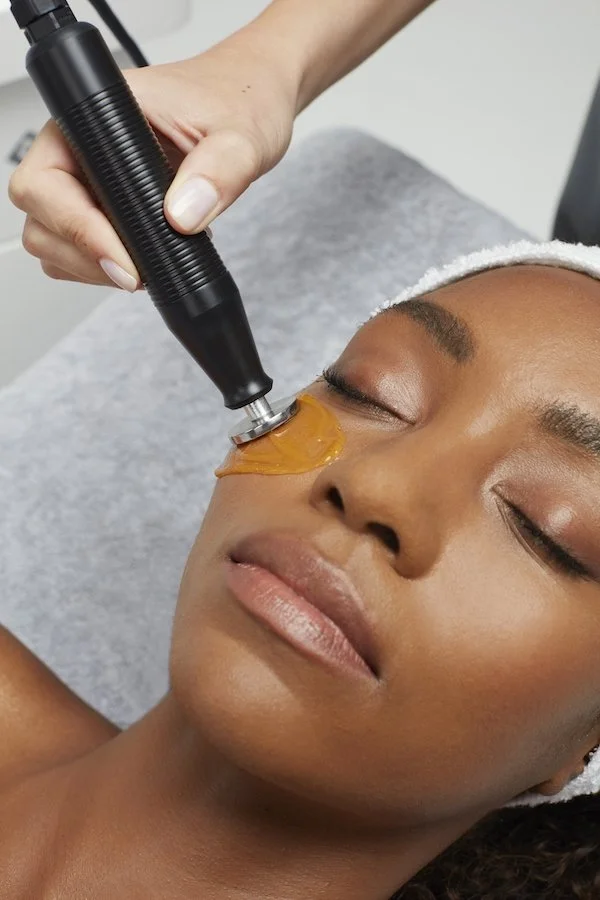
Sonophoresis & Iontophoresis
These technologies use ultrasound and controlled electrical currents to assist the delivery of carefully selected active ingredients, complementing our bespoke skincare formulations.
-
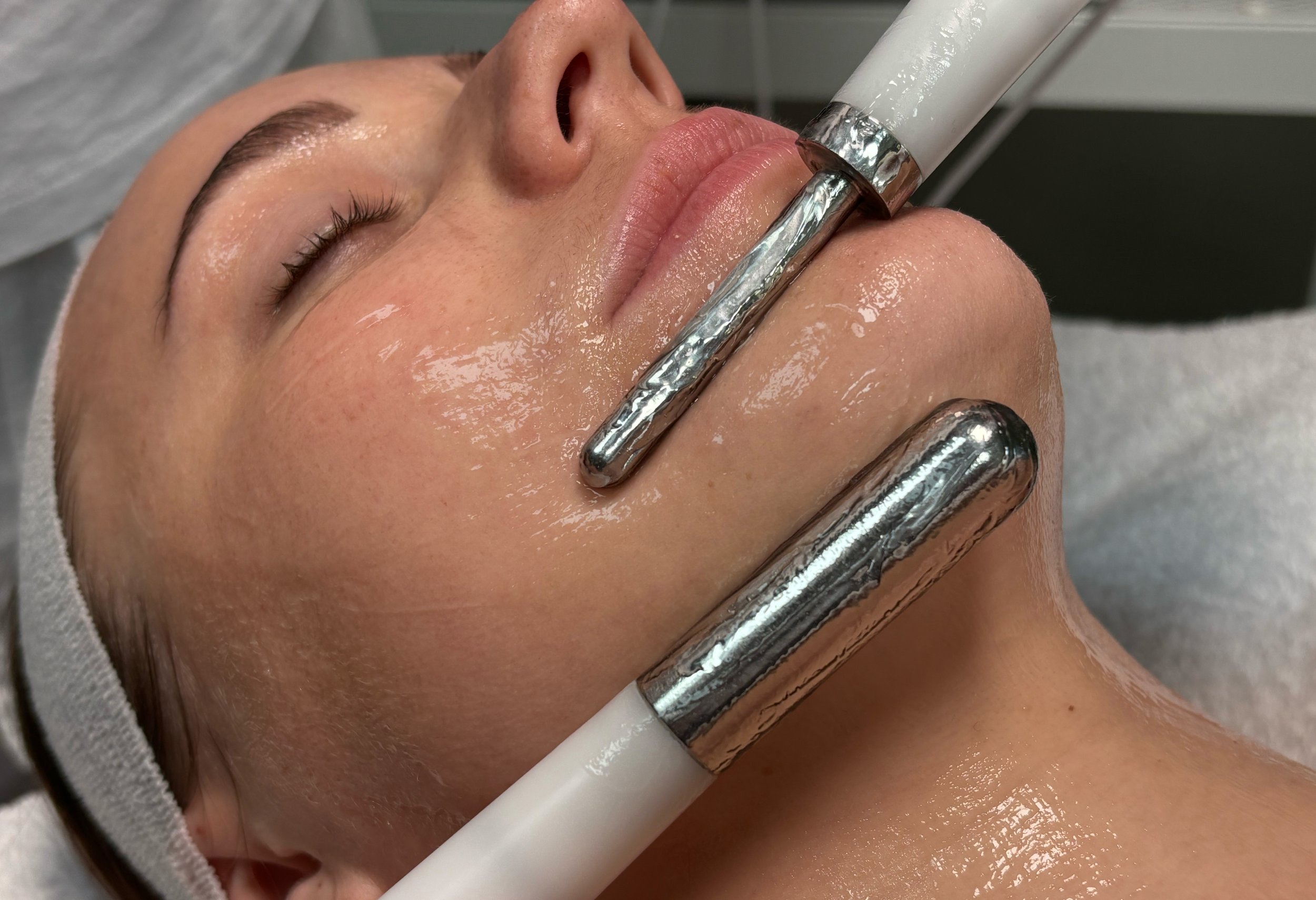
Microcurrent
Using our Neurotris technology, we deliver gentle electrical currents to work with the skin and facial musculature, helping improve the appearance of facial contours while supporting cellular activity.
-
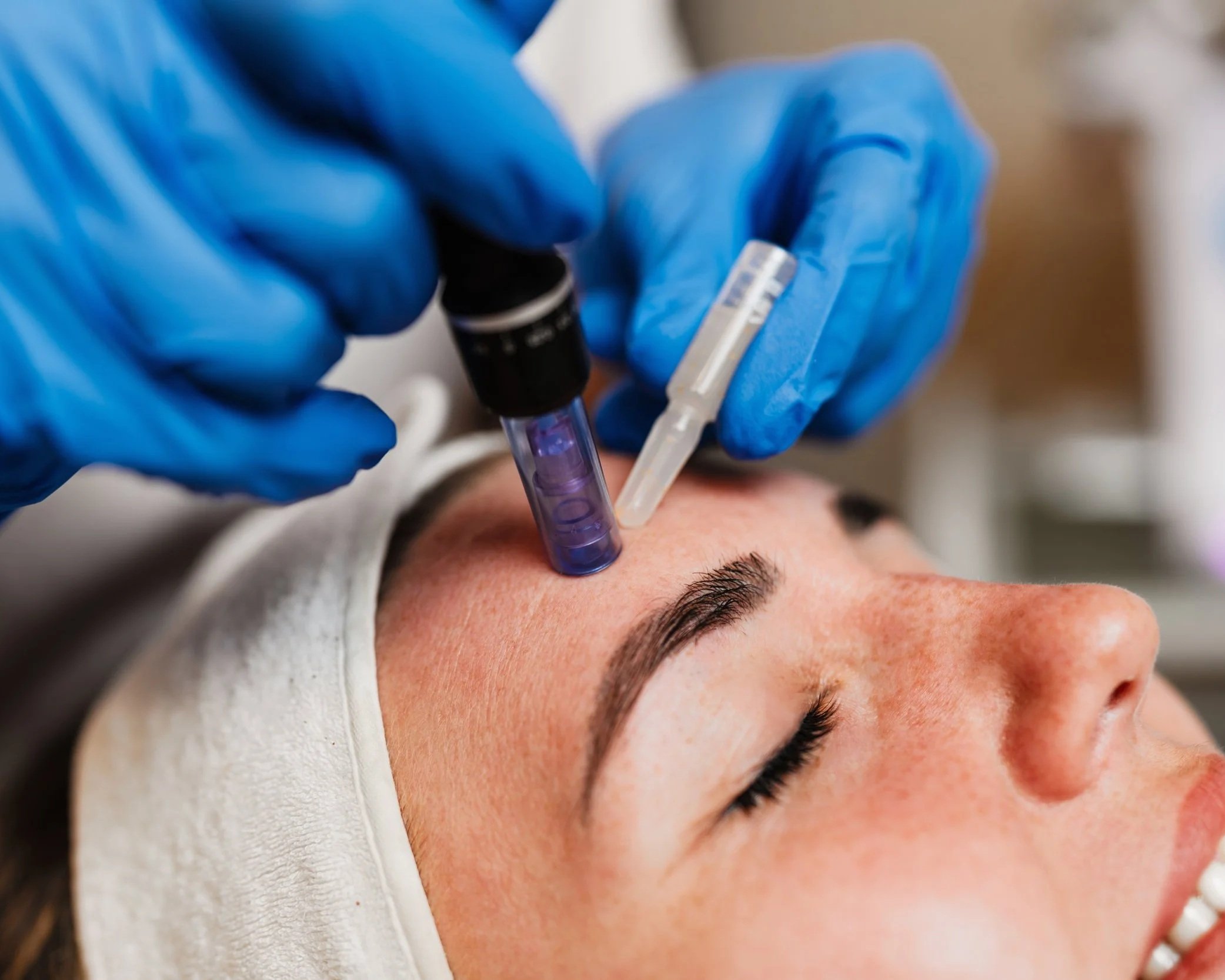
Microneedling
Microneedling stimulates a controlled wound-healing response to encourage collagen formation, helping improve fine lines, texture and certain types of scarring. Because it involves intentional injury, we only introduce it when appropriate and when the skin is sufficiently healthy and prepared.
-
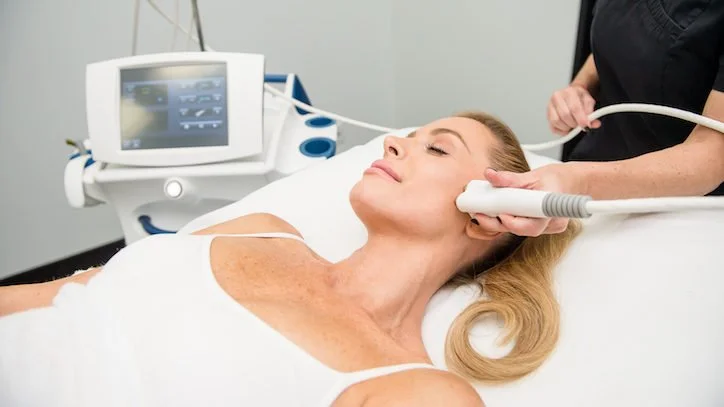
Radio Frequency
Our Venus Freeze Plus uses controlled radiofrequency energy to heat targeted tissues and encourage collagen remodelling, helping improve the appearance of firmness and elasticity in suitable candidates
-
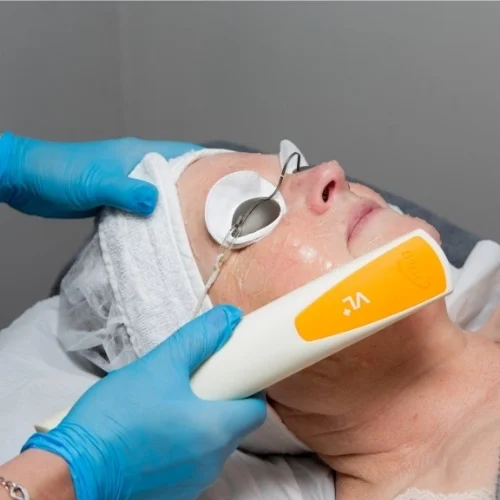
IPL Skin Rejuvenation
Intense Pulsed Light (IPL) targets pigmentation, sun damage and visible vascular changes, helping restore a clearer, brighter and more even complexion. It can also help refine the appearance of enlarged pores and improve uneven skin texture, contributing to smoother, healthier-looking skin.
-
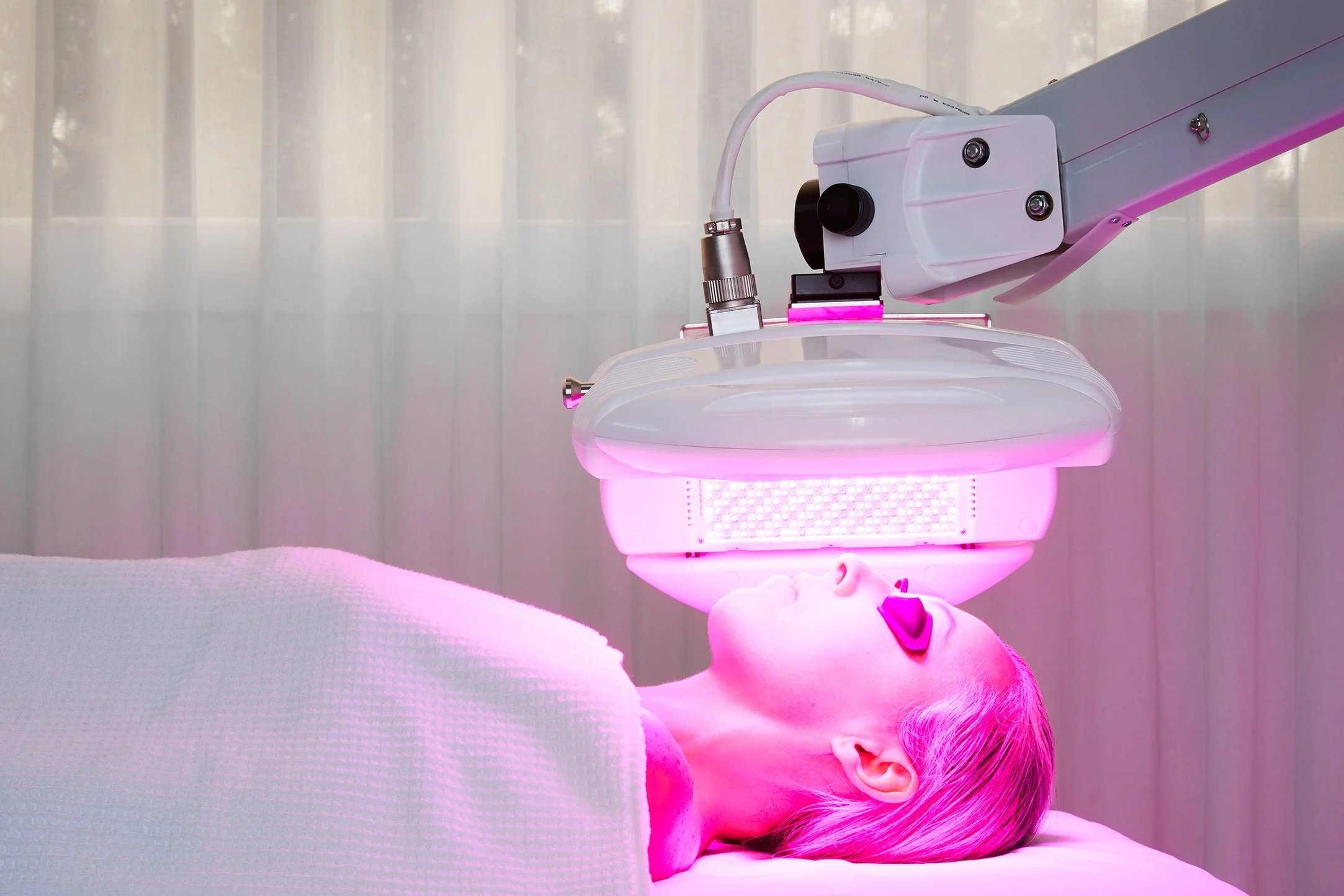
Dermalux Tri-wave MD
Our Dermalux Tri-Wave MD uses clinically established wavelengths of light to support cellular activity, influence inflammatory pathways and encourage processes associated with tissue repair and collagen production, without disrupting the epidermal barrier.
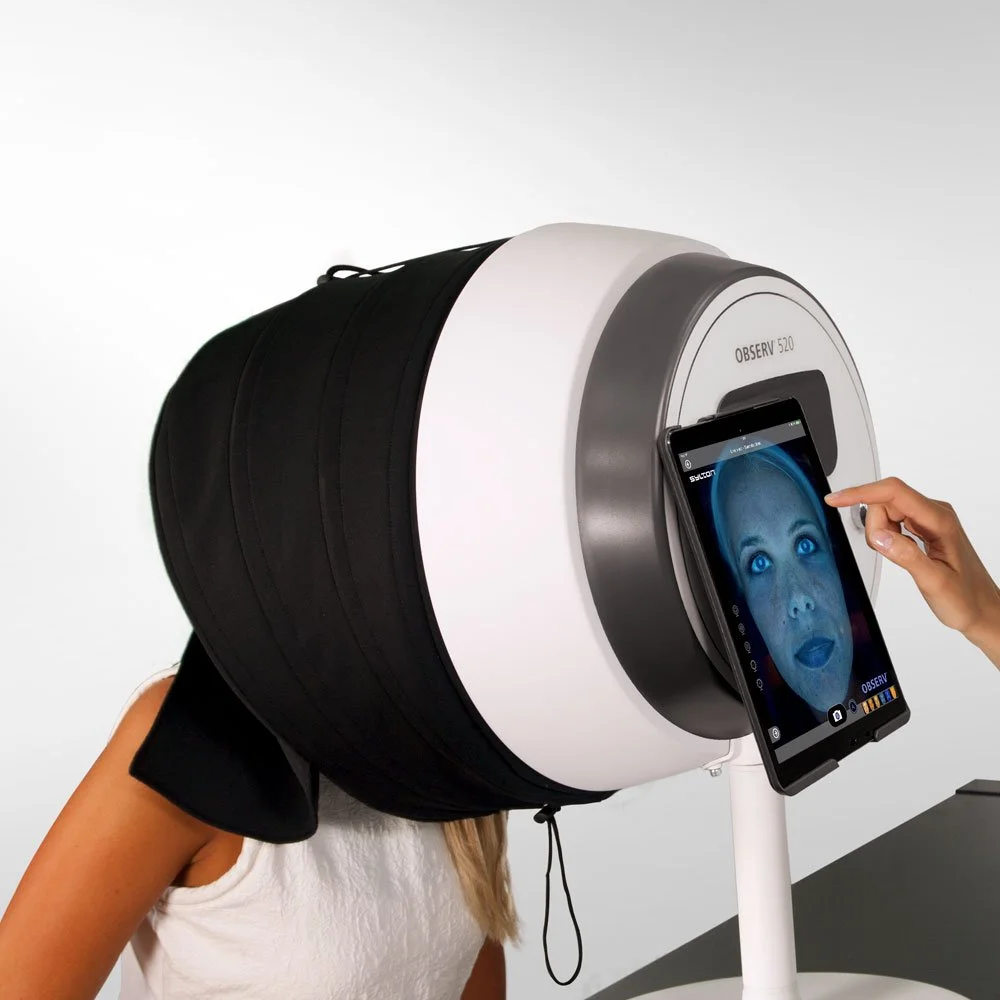
Your Journey to Healthier, More Youthful Skin Starts Here!
No two skins age in exactly the same way, which is why we don’t believe in a one-size-fits-all approach.
Whether you’re beginning to notice changes or simply want to invest in your long-term skin health, we’ll help you understand what your skin needs and where to focus your efforts.
The earlier you start investing in your skin, the better, but it's never too late to make positive changes. With the right treatments, skincare and a little consistency, you can look forward to smoother, plumper, more hydrated skin, a brighter, more even complexion and an overall healthier-looking glow.
It's not about dramatically turning back the clock, but making meaningful improvements that leave your skin looking healthier, fresher and more radiant, while still looking and feeling like you.
Book a Skin Health Consultation or My First Skin Treatment and let's start investing in your skin's future.
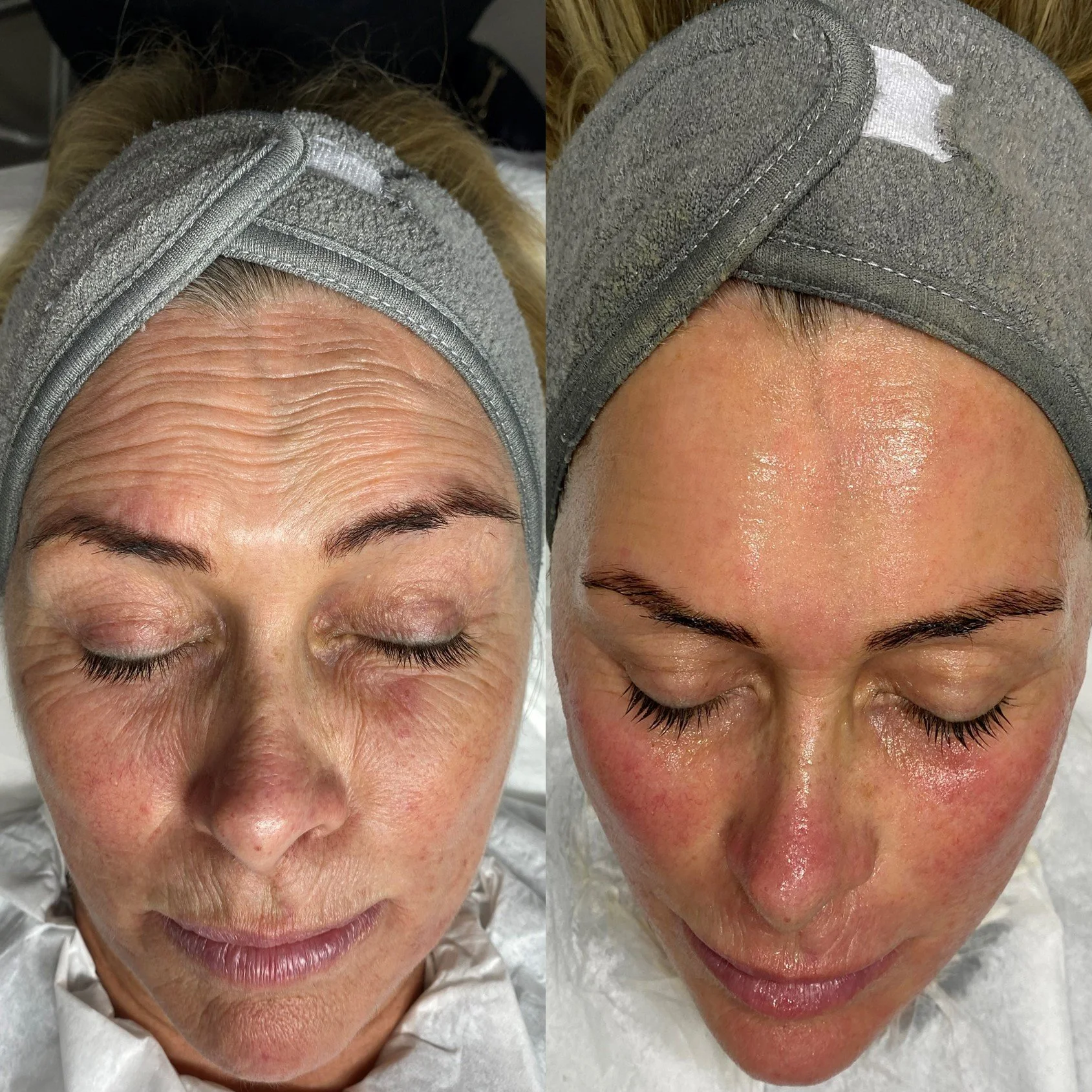
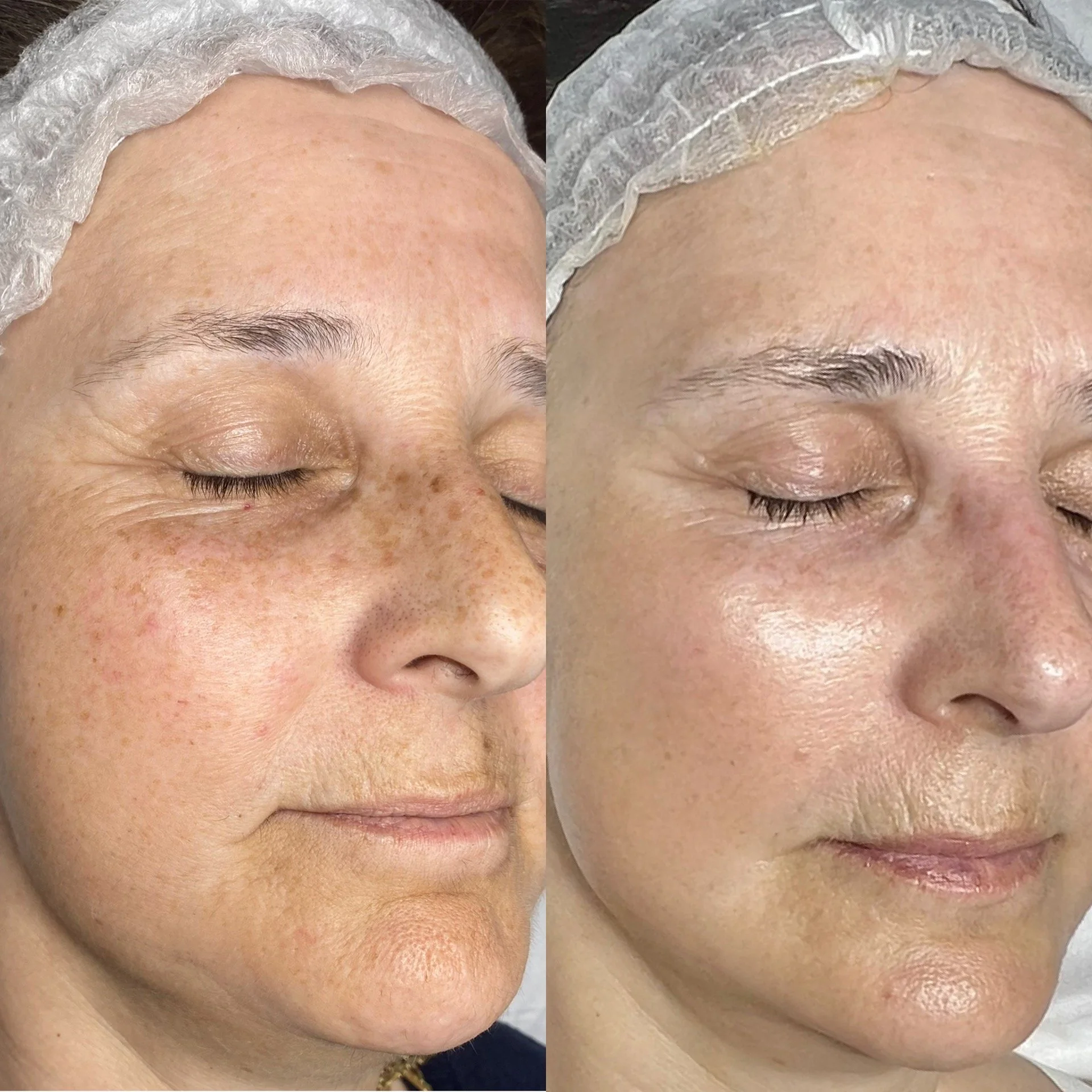
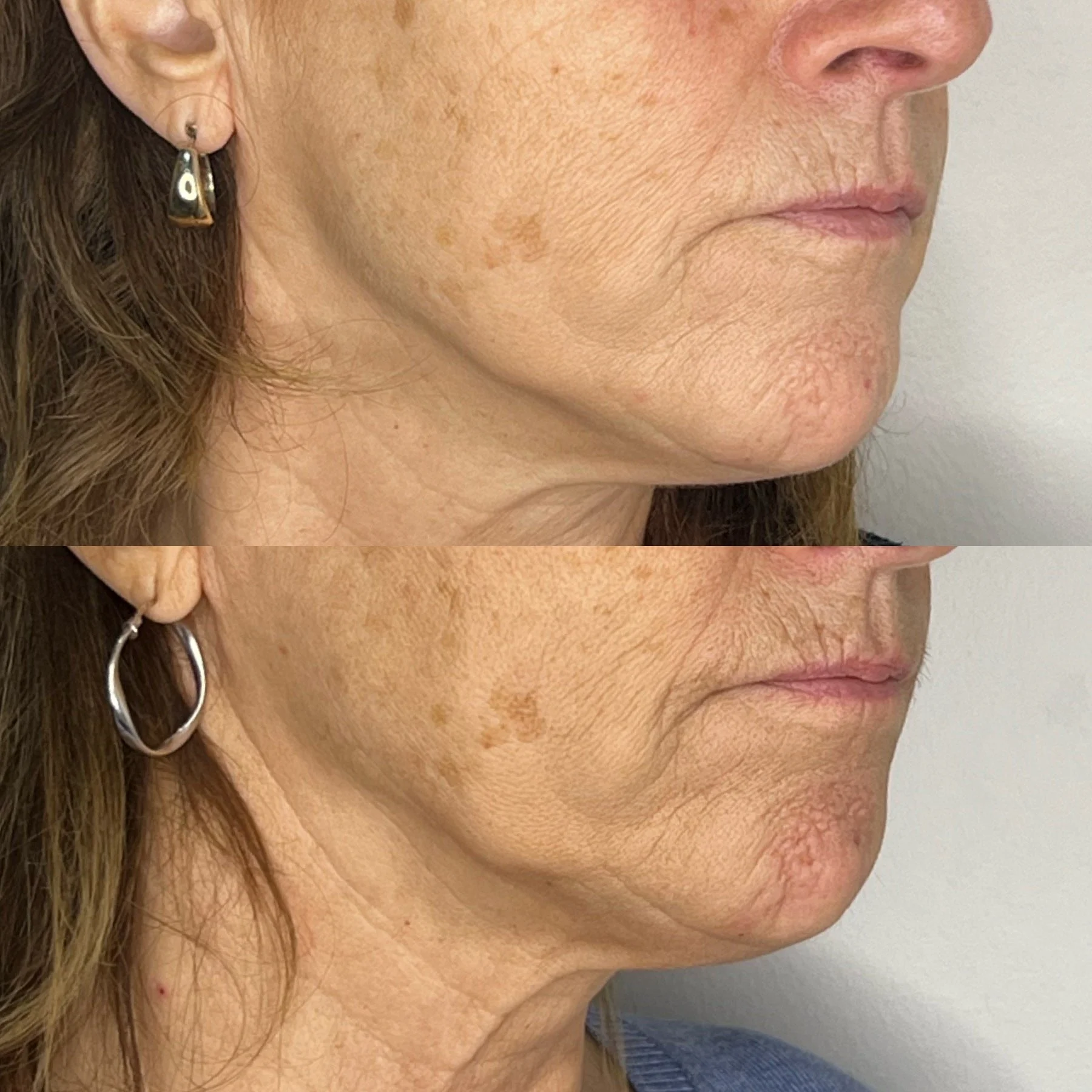
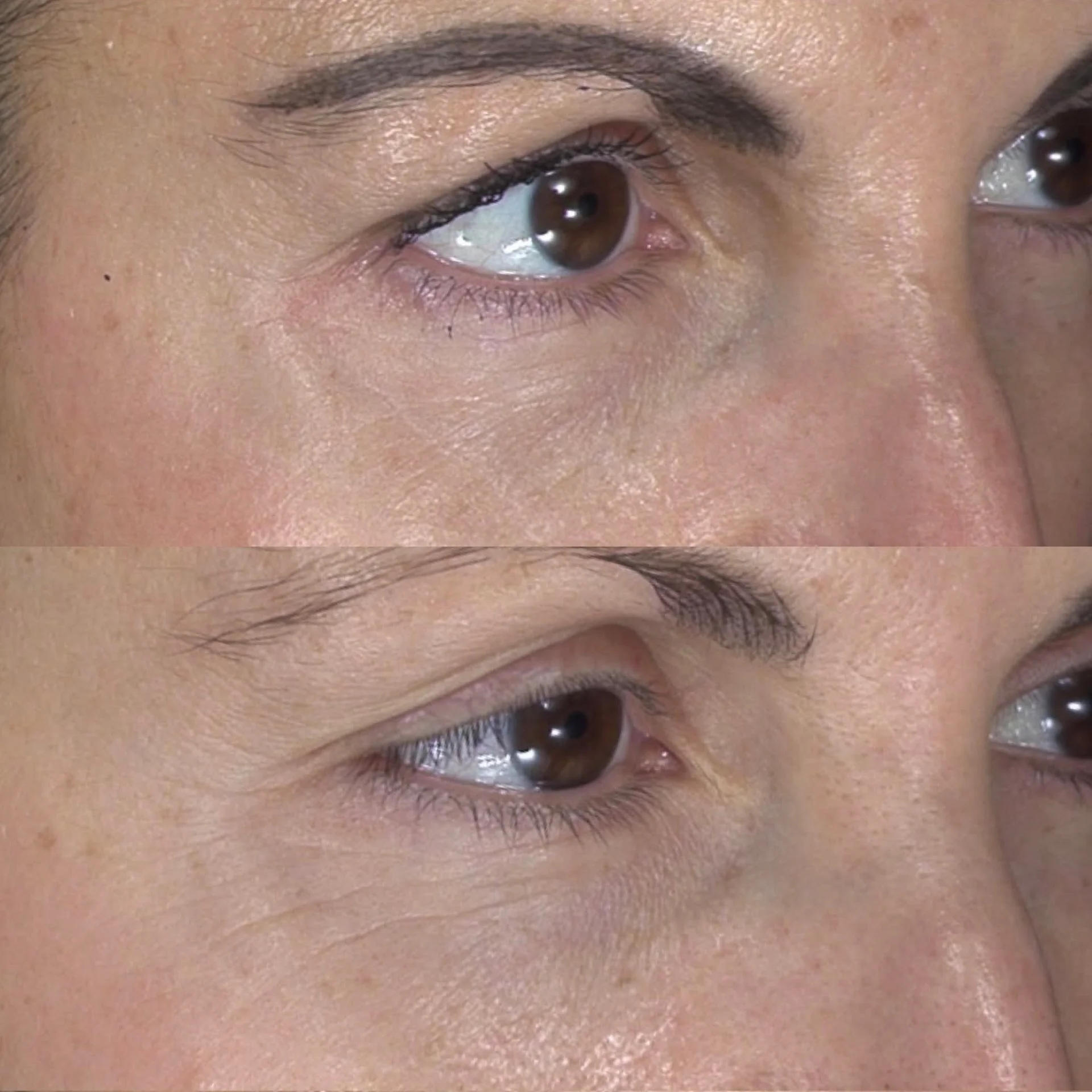
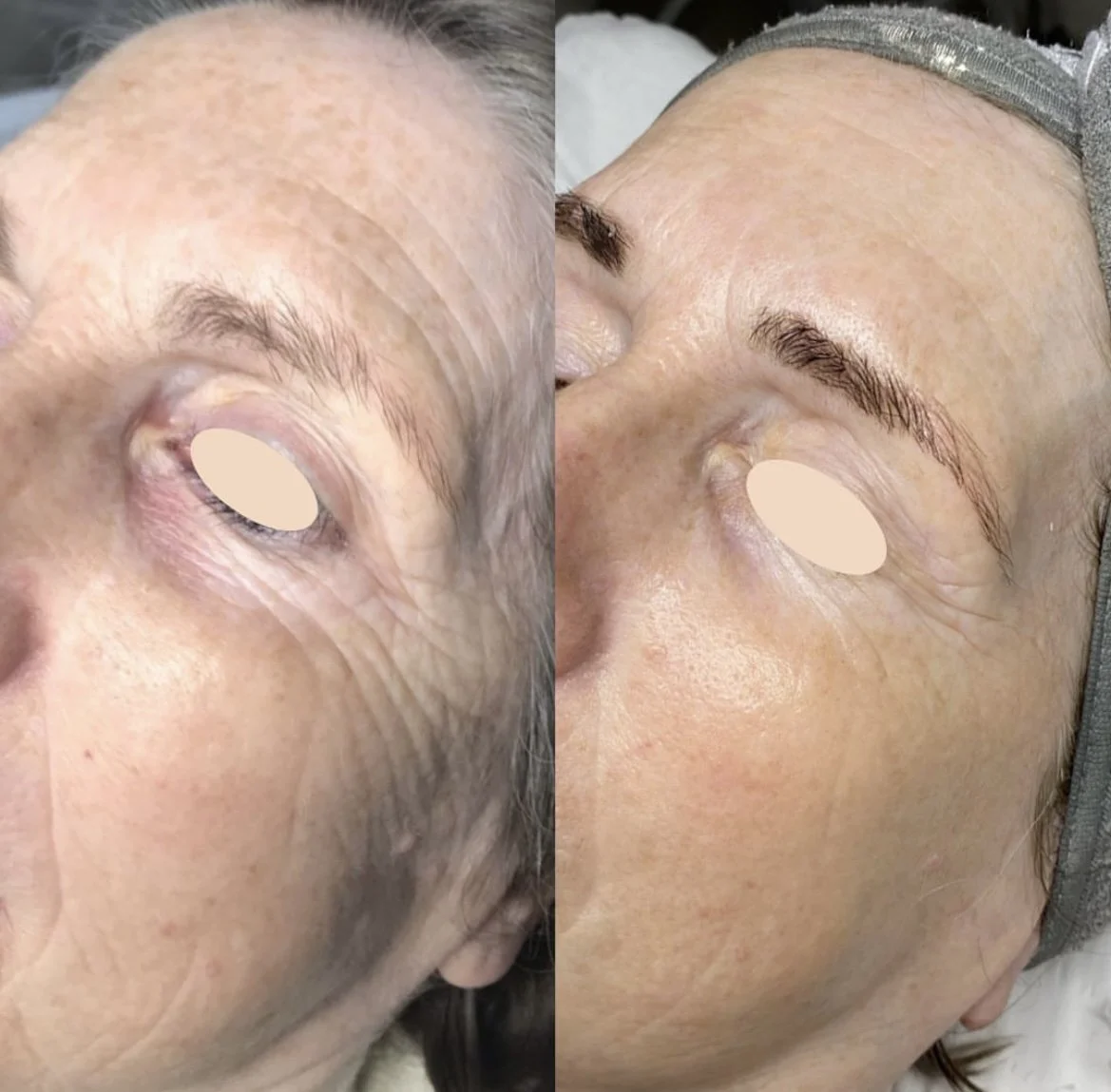
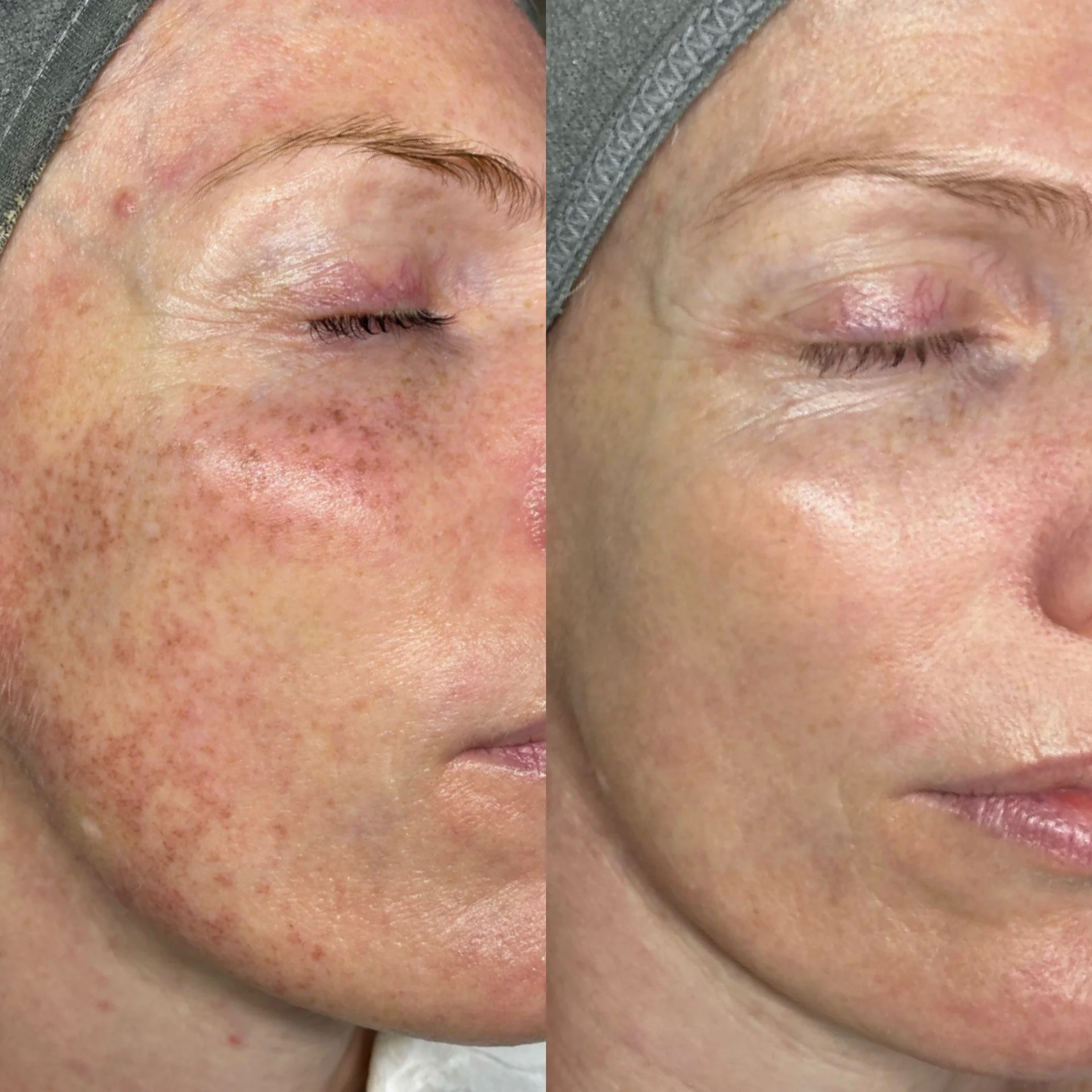
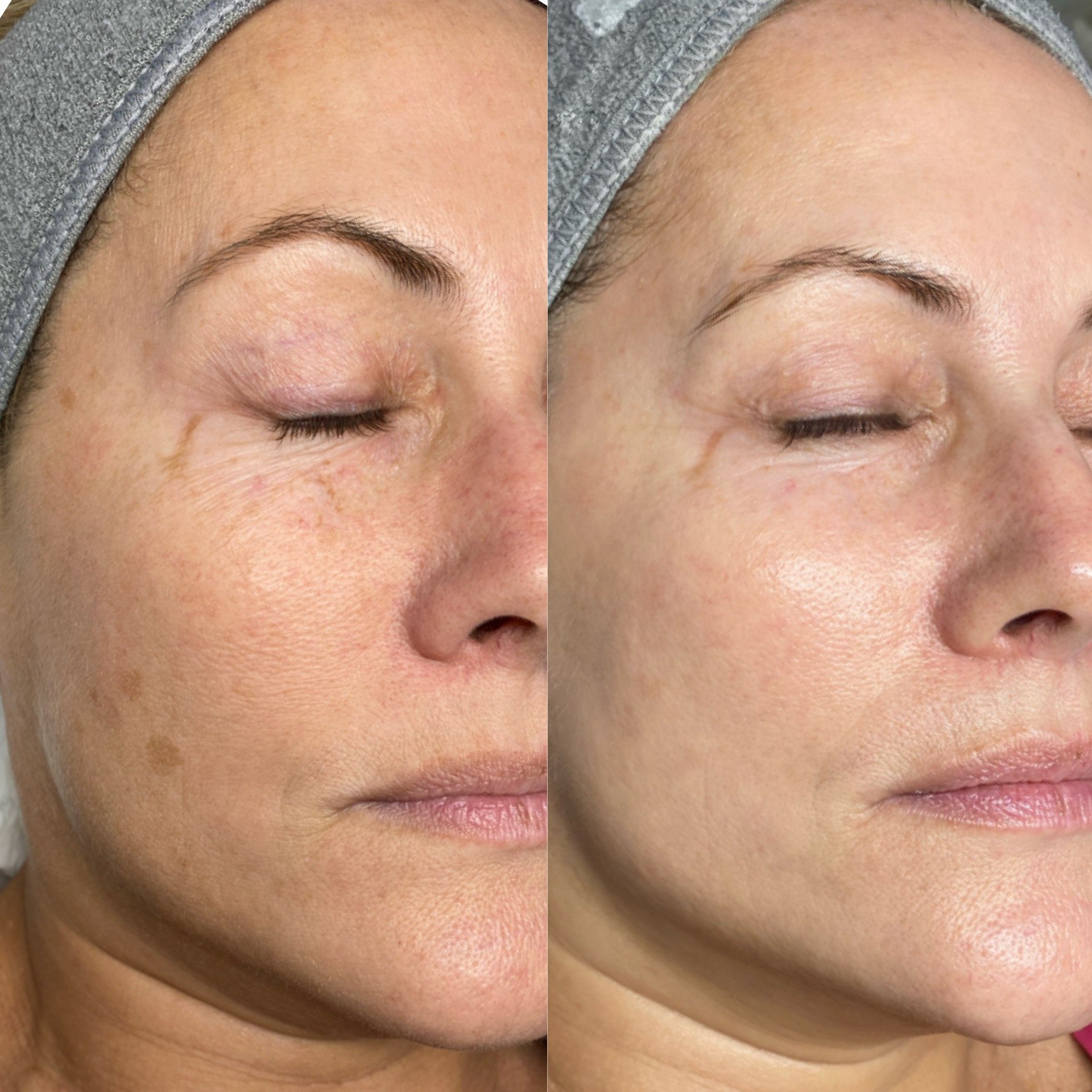
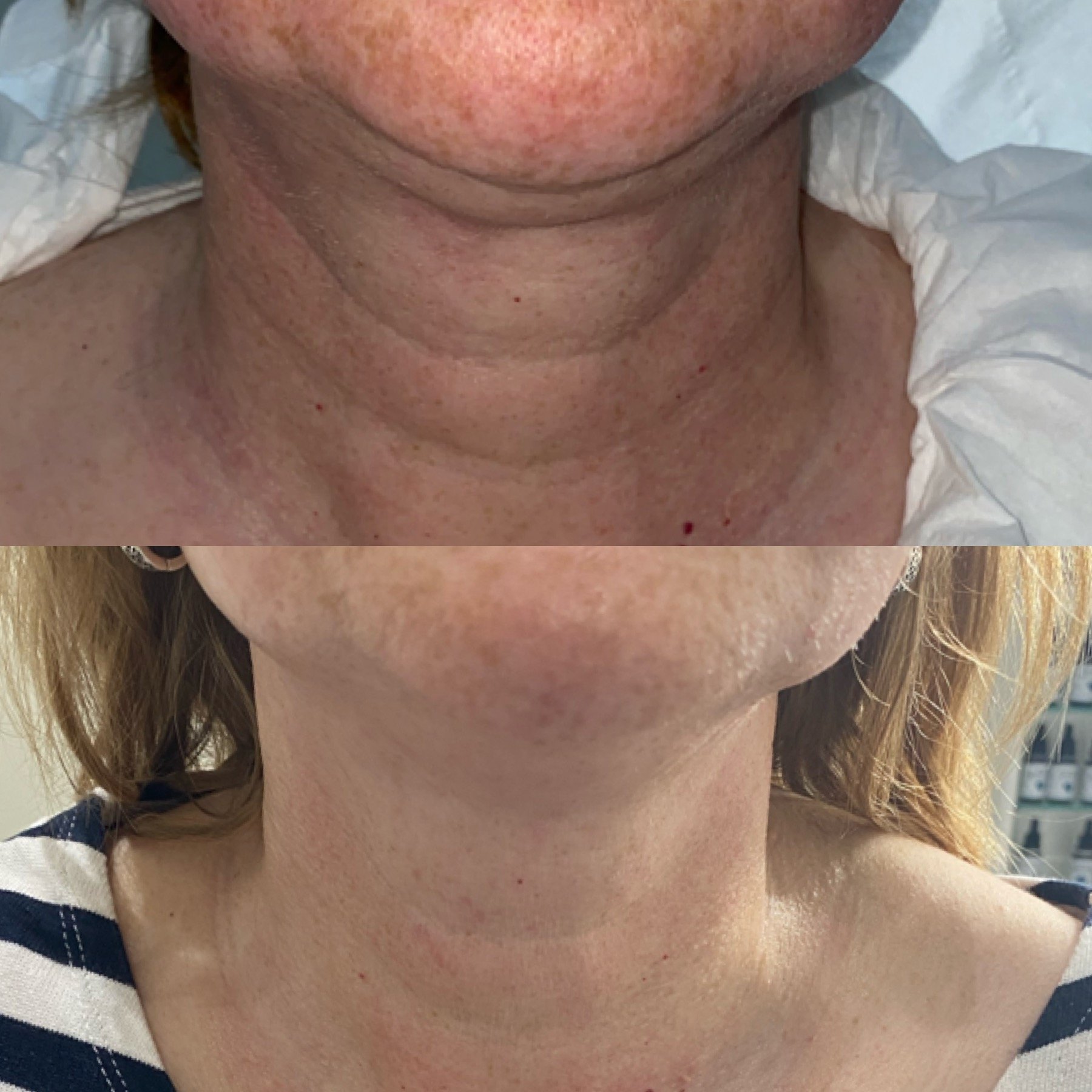
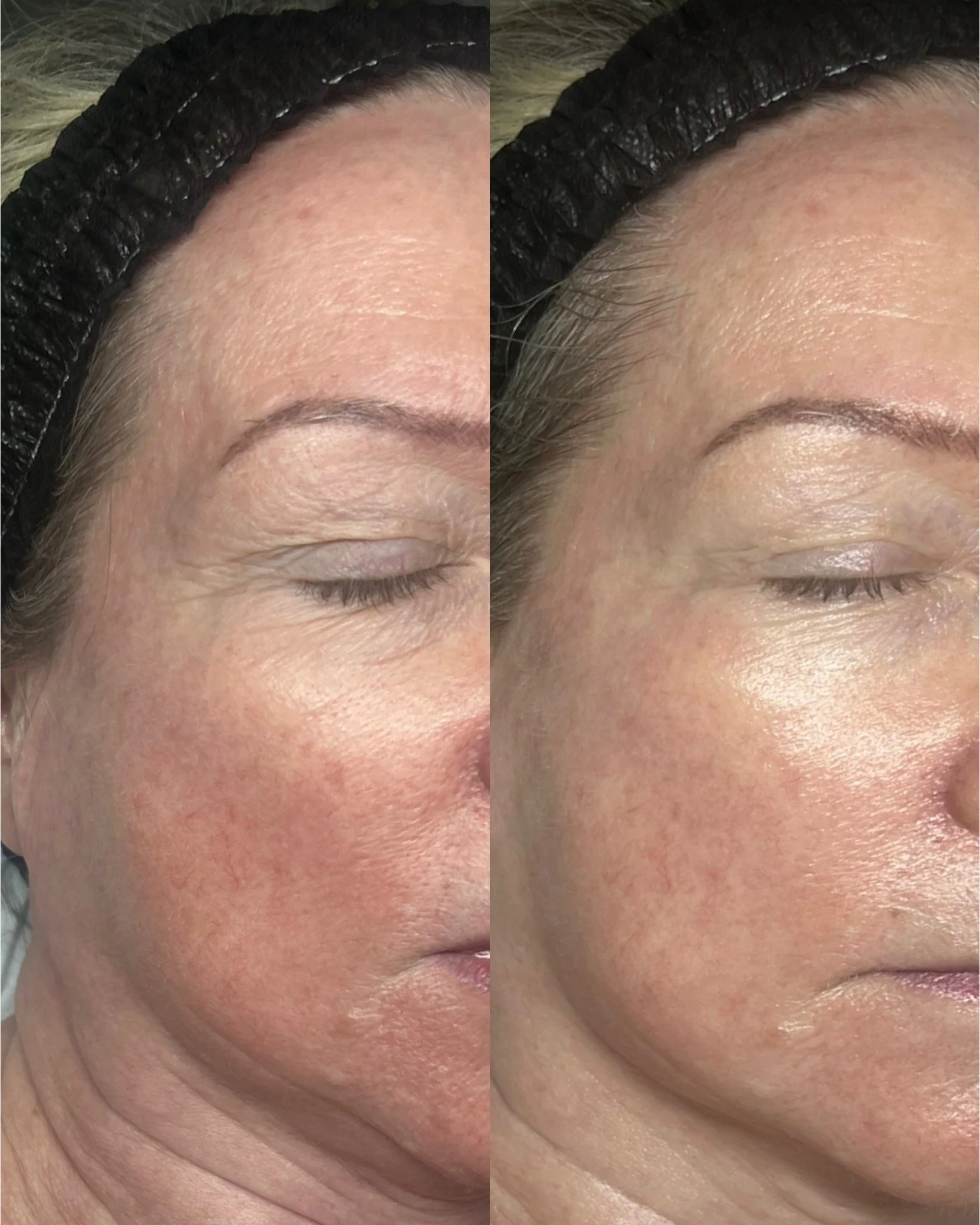
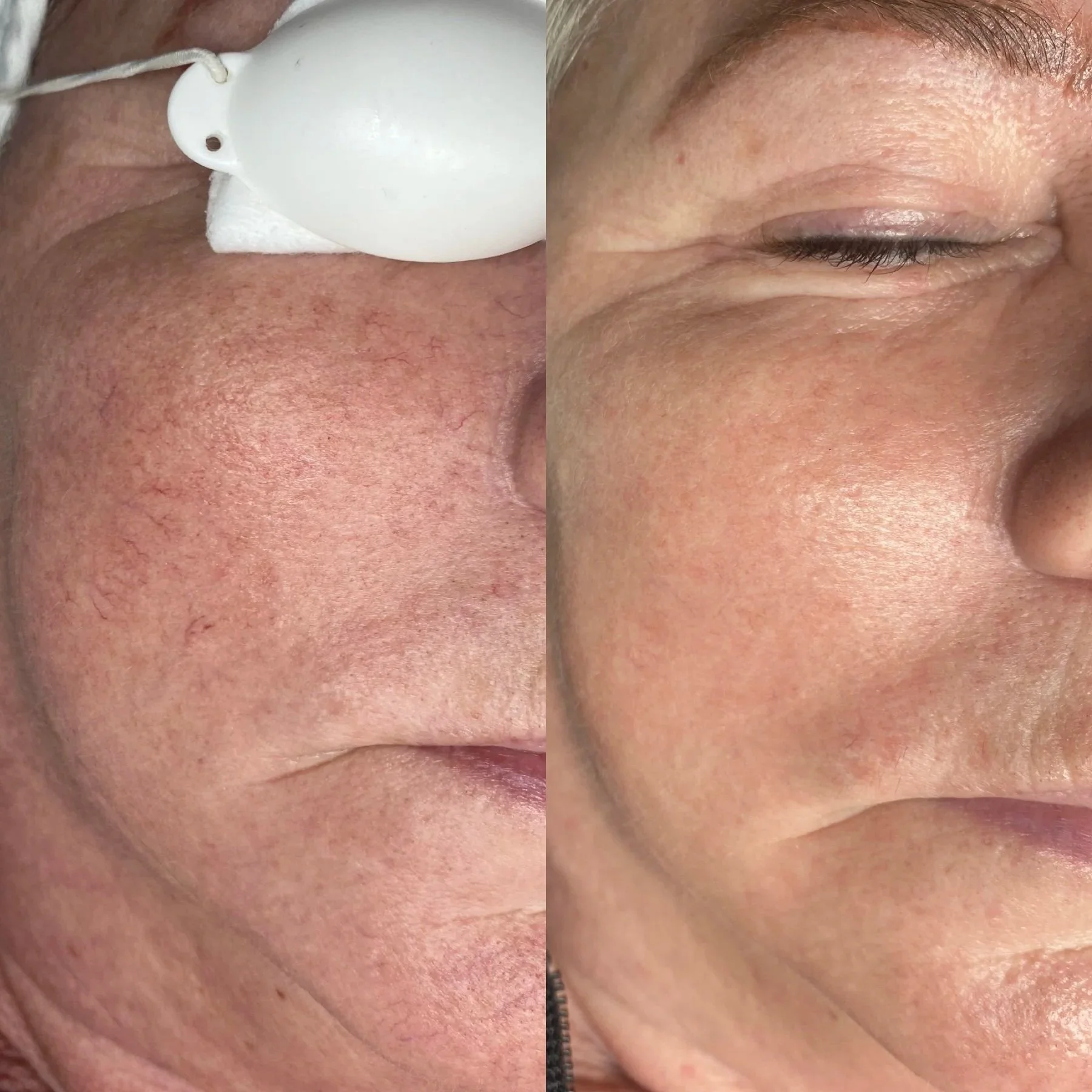
Real Results