
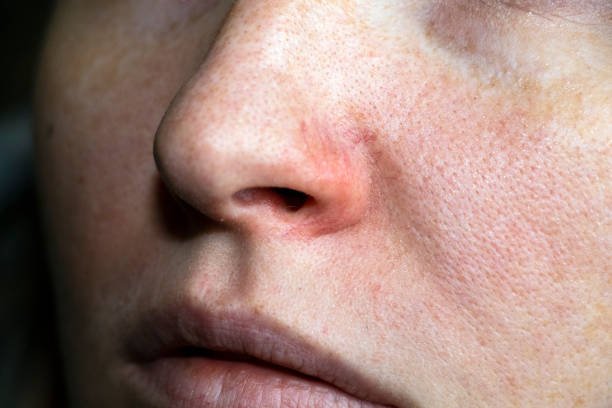
Dry Skin
Helping you understand, nourish and support your skin's natural balance…
Understanding Dry Skin
Does your skin constantly feel tight, rough or uncomfortable, no matter how much moisturiser you apply?
Although many people describe their skin as dry, true dry skin is a skin type characterised by naturally lower oil production, and it's often confused with dehydration, which is a lack of water within the skin.
Understanding the difference is important because, although the symptoms can appear similar, the underlying causes and what your skin needs can be quite different.
At ME, we believe that understanding why your skin is struggling is the first step towards improving its health, comfort and resilience.
What is Dry skin?
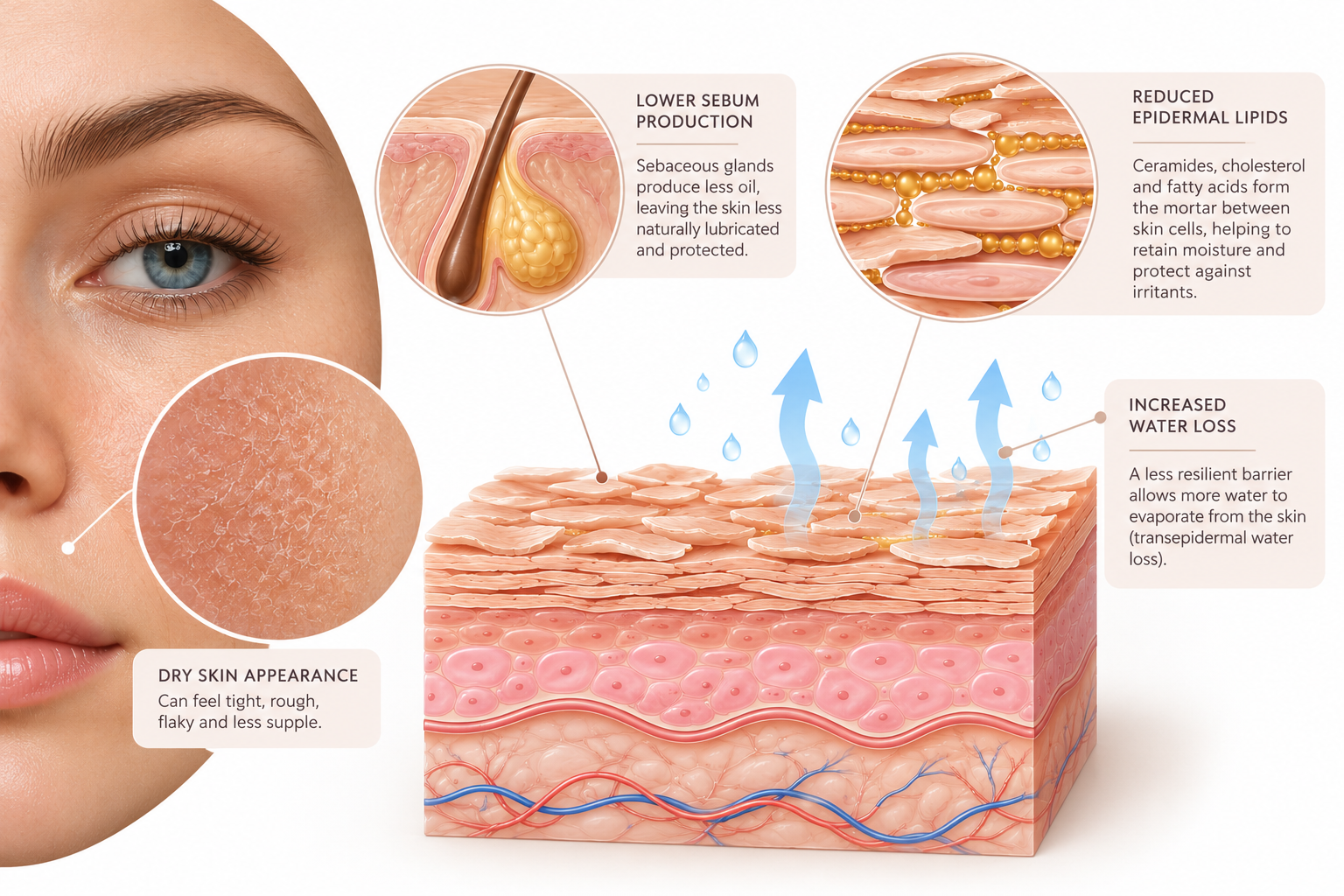
Dry skin, sometimes referred to as lipid-dry skin, is a skin type characterised by naturally lower sebum (oil) production, which can leave the skin feeling tight, rough or uncomfortable.
Our skin relies on two important sources of lipids (fats) to maintain its protective barrier:
Sebum – Produced by the sebaceous glands, sebum lubricates the skin's surface, supports its natural defences and helps maintain suppleness.
Epidermal lipids – Primarily ceramides, cholesterol and fatty acids, released by specialised structures called lamellar bodies. These form the protective mortar between our skin cells, helping to prevent excessive water loss and protect against external irritants.
When surface oil is naturally low or the epidermal lipid barrier becomes disrupted, the skin may become more prone to dryness, flaking and sensitivity.
Importantly, dry skin and dehydrated skin are not the same thing. Dry skin is a naturally lower-oil skin type, whereas dehydration refers to a lack of water within the skin, which can affect any skin type, including oily skin.
What can influence Dry Skin?
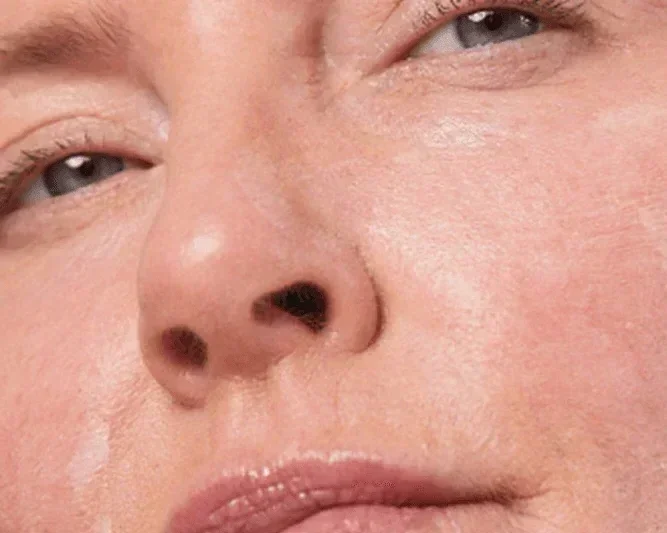
Although our natural skin type is largely influenced by genetics, several internal and external factors can affect how dry our skin becomes.
Ageing: Sebaceous gland activity and the skin's ability to maintain its protective barrier can change as we age.
Hormonal changes: Fluctuations, particularly during menopause, can influence oil production and skin hydration.
Environmental factors: Cold weather, low humidity and central heating can increase water loss from the skin.
Skincare habits: Harsh cleansing, excessive exfoliation and unsuitable products can disrupt the skin's protective lipids.
Nutrition: Essential fatty acids and adequate nutrition play a role in maintaining healthy skin function.
Medications & skin conditions: Certain medications and inflammatory skin conditions can contribute to dryness and barrier disruption.
It's also important to recognise that dry skin and dehydrated skin are not the same thing. Dry skin is a naturally lower-oil skin type, whereas dehydration refers to a lack of water within the skin. Even oily skin can become dehydrated, particularly when its barrier function is compromised.
How Can We Help?
At ME, our approach to dry skin is rooted in corneotherapy, focusing on supporting the skin's natural protective functions rather than simply masking dryness with heavier moisturisers.
We begin by looking beyond the visible symptoms to understand your skin type, barrier health, current skincare routine and the internal and external factors that may be contributing to your concerns.
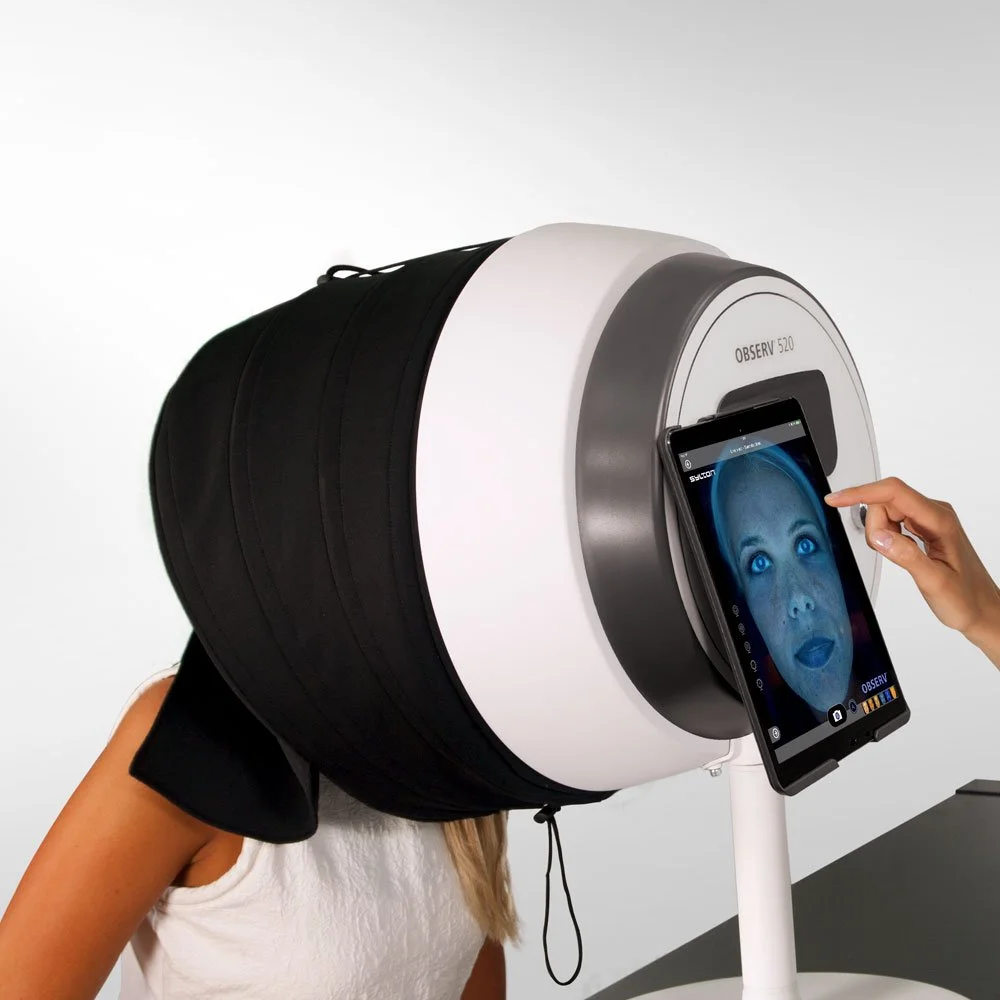
Using our Observ 520x skin analysis system, alongside a comprehensive consultation and visual assessment, we can gain a clearer understanding of your skin's condition and identify signs of dehydration, barrier disruption and other underlying concerns.
From here, we create a personalised treatment and homecare plan designed to support your skin's individual needs.
Our approach focuses on replenishing essential epidermal lipids, including ceramides, cholesterol and fatty acids, supporting the skin's natural moisturising factors (NMFs), reducing excessive water loss and improving overall barrier resilience.
Through gentle, barrier-supportive treatments and carefully selected skincare, including our bespoke formulations, we aim to restore comfort, improve suppleness and help your skin retain moisture more effectively.
Because when it comes to dry skin, it's not simply about applying more moisturiser. It's about understanding what your skin is missing and giving it the right support to function at its best.
Not sure where to start?
Whether you choose our Skin Health Consultation for an in-depth understanding of your skin, or My First Skin Treatment, combining a comprehensive consultation with your first bespoke skin health treatment, we'll help you make sense of your skin and create a personalised plan to support its long-term health.