Pigmentation
Helping you understand, manage and navigate Pigmentation with confidence…
Understanding Pigmentation
Helping you understand pigmentation and why treating what is driving it, rather than simply the colour we can see, is so important.
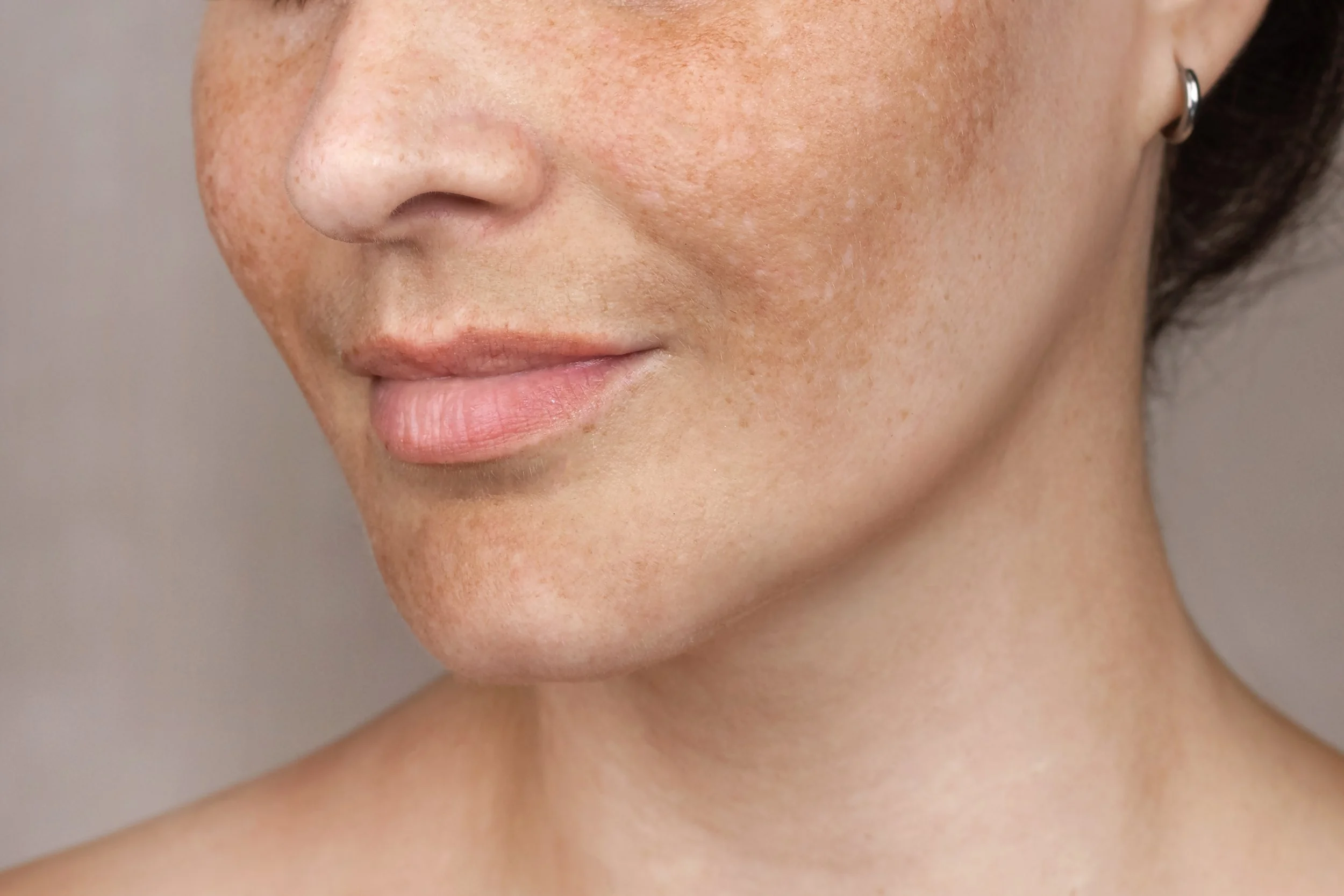
Pigmentation occurs when melanin, the pigment responsible for our skin colour, is produced in excess or becomes unevenly distributed, creating darker areas within the skin.
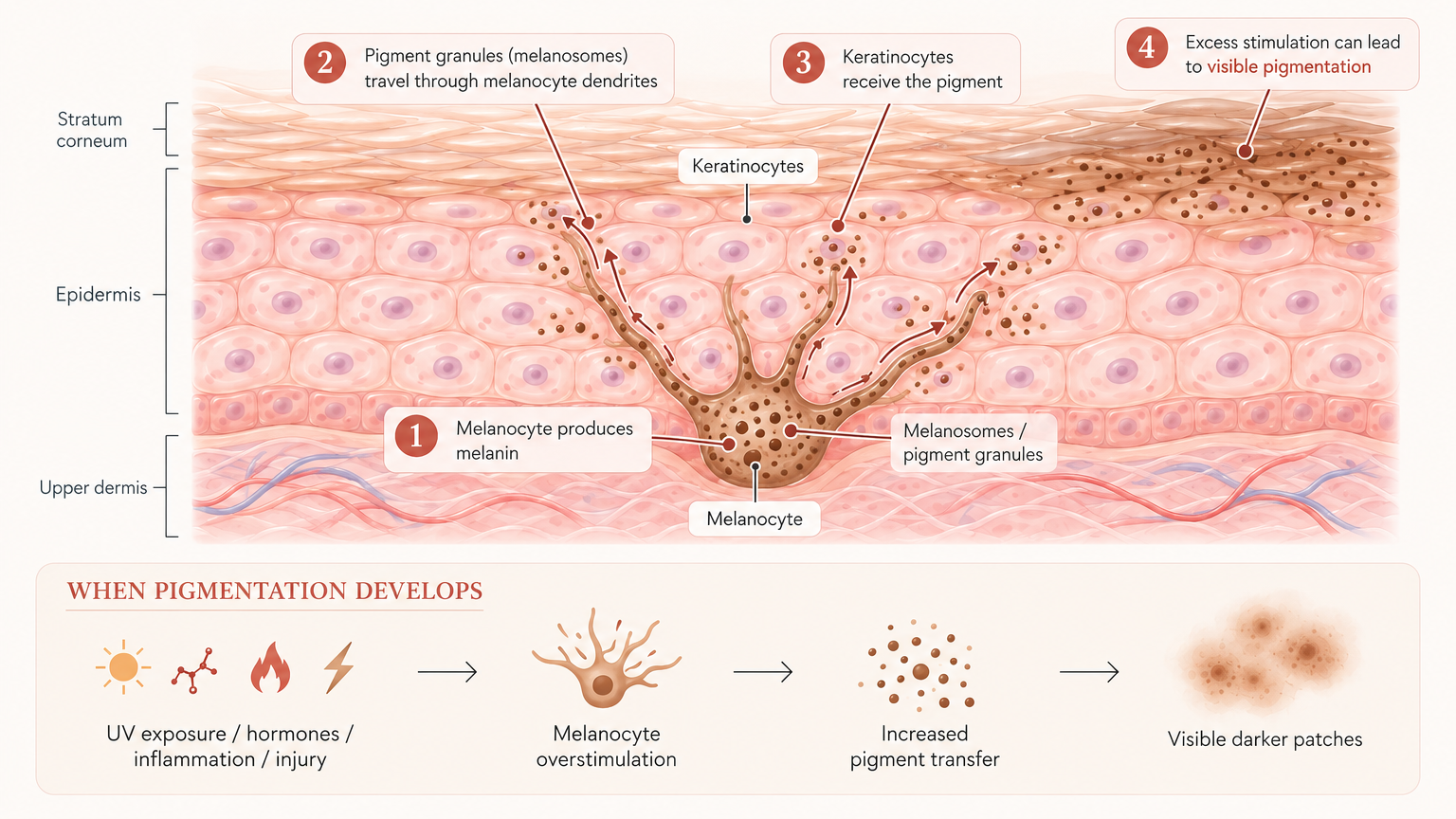
Melanin is produced by cells called melanocytes and has an important protective role, helping to defend our skin cells from UV exposure. The problem isn't melanin itself, but what may be causing the melanocyte to become overstimulated and produce excess pigment
Why does Pigmentation develop?
Pigmentation can be complex because there isn't always one single cause. UV exposure, hormonal changes, inflammation, certain medications, skin injury and disruption to the epidermal barrier can all influence melanocyte activity. pigmentation hand out
The melanocyte sits deep within the epidermis, so rather than viewing pigmentation as simply a mark on the surface, we need to consider what may be stimulating that cell in the first place.
Understanding these internal and external influences is an important part of managing pigmentation successfully long term.
Types of Pigmentation
-
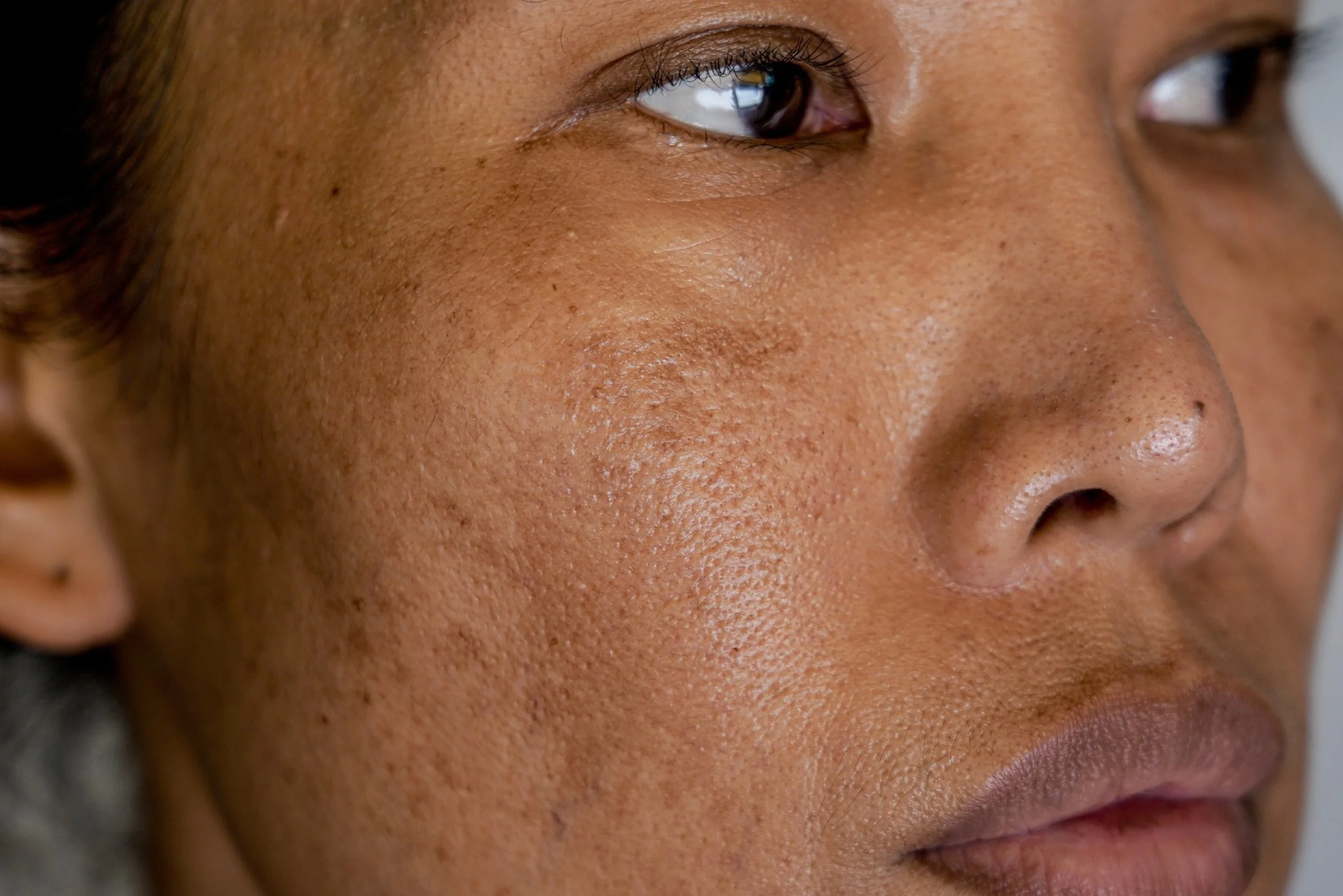
Melasma
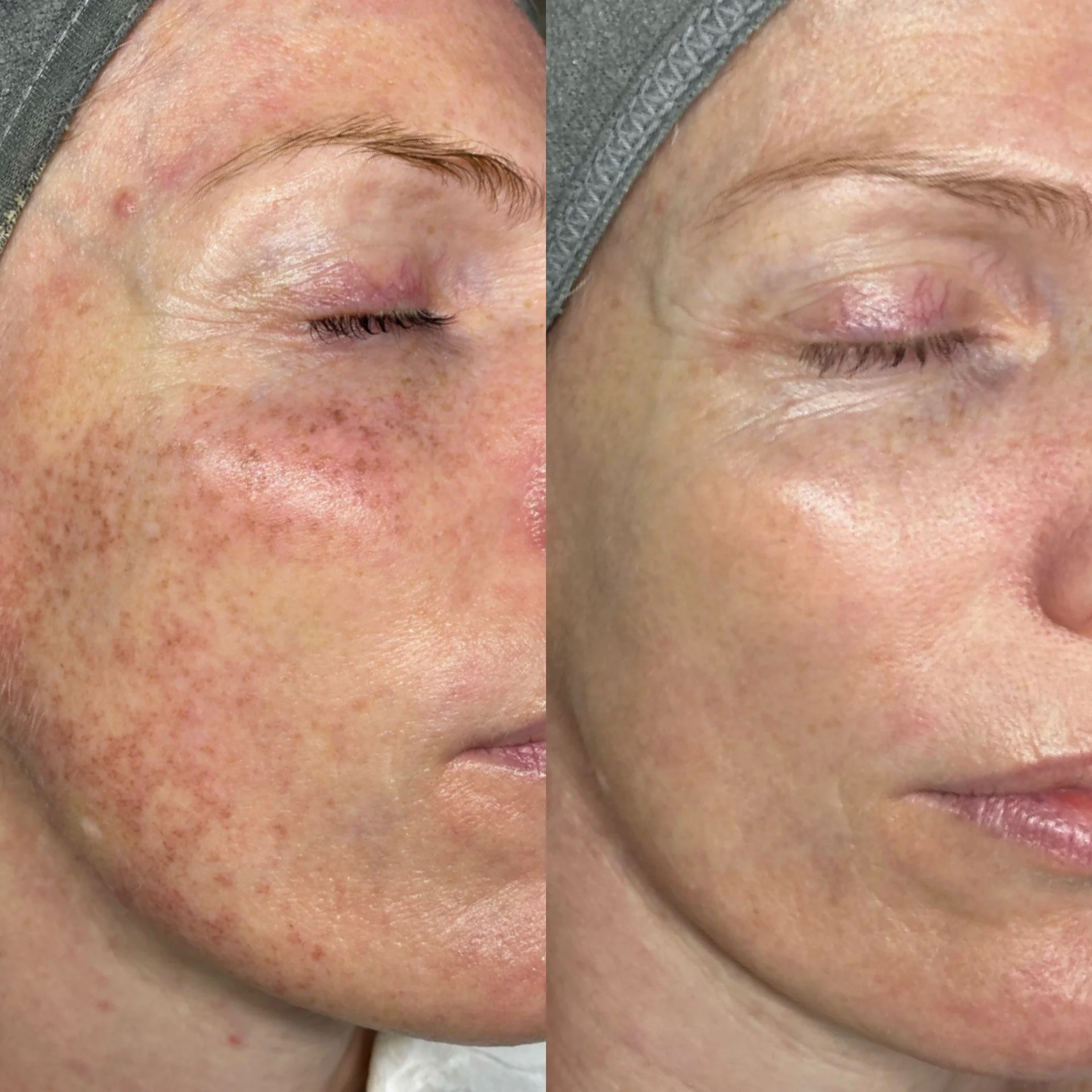
Melasma is a form of pigmentation influenced by hormones and UV exposure. It commonly appears across the cheeks, forehead, bridge of the nose and upper lip. It can be particularly challenging to manage, as hormonal influences and environmental triggers can continue to stimulate excess melanin production.
-
Solar Lentigines
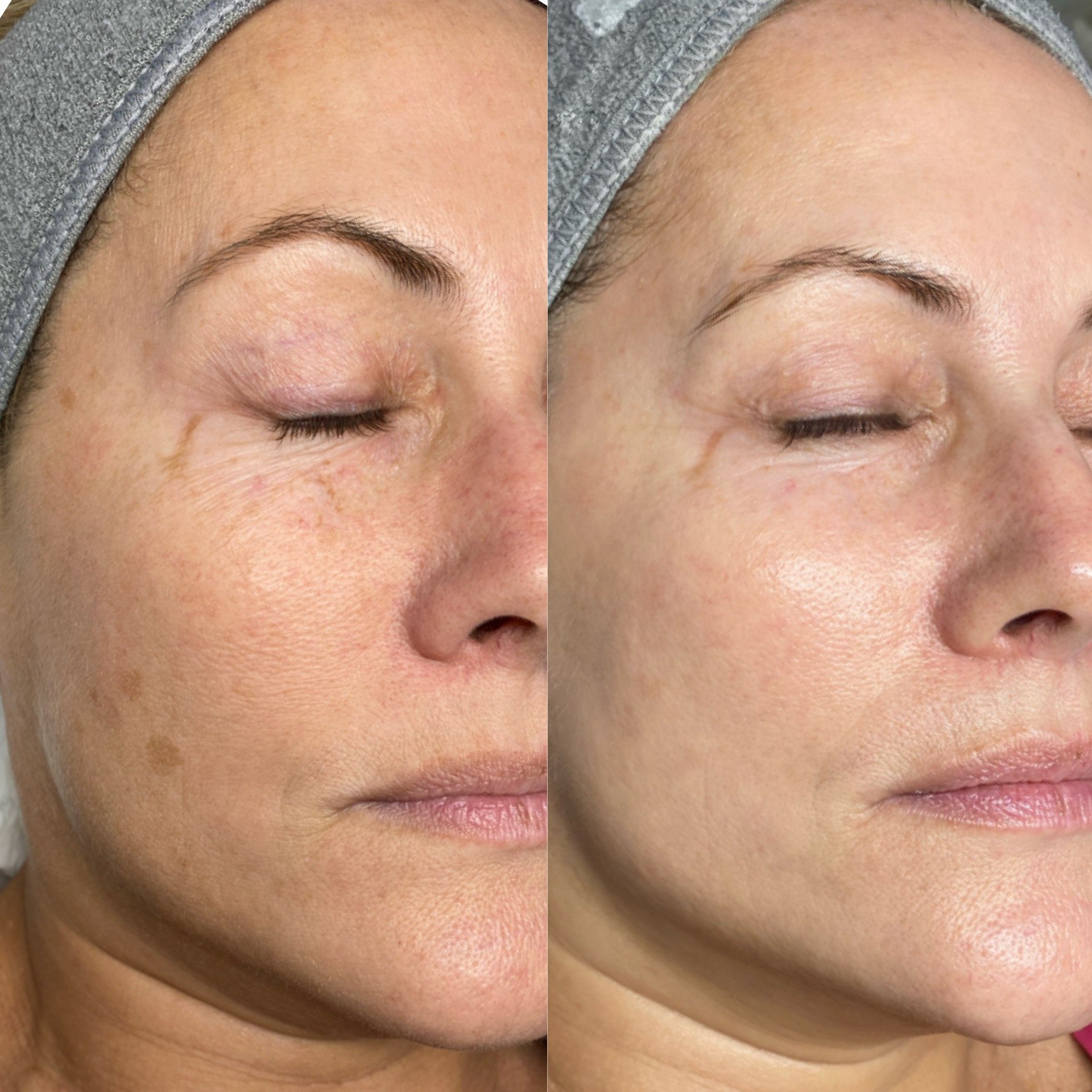
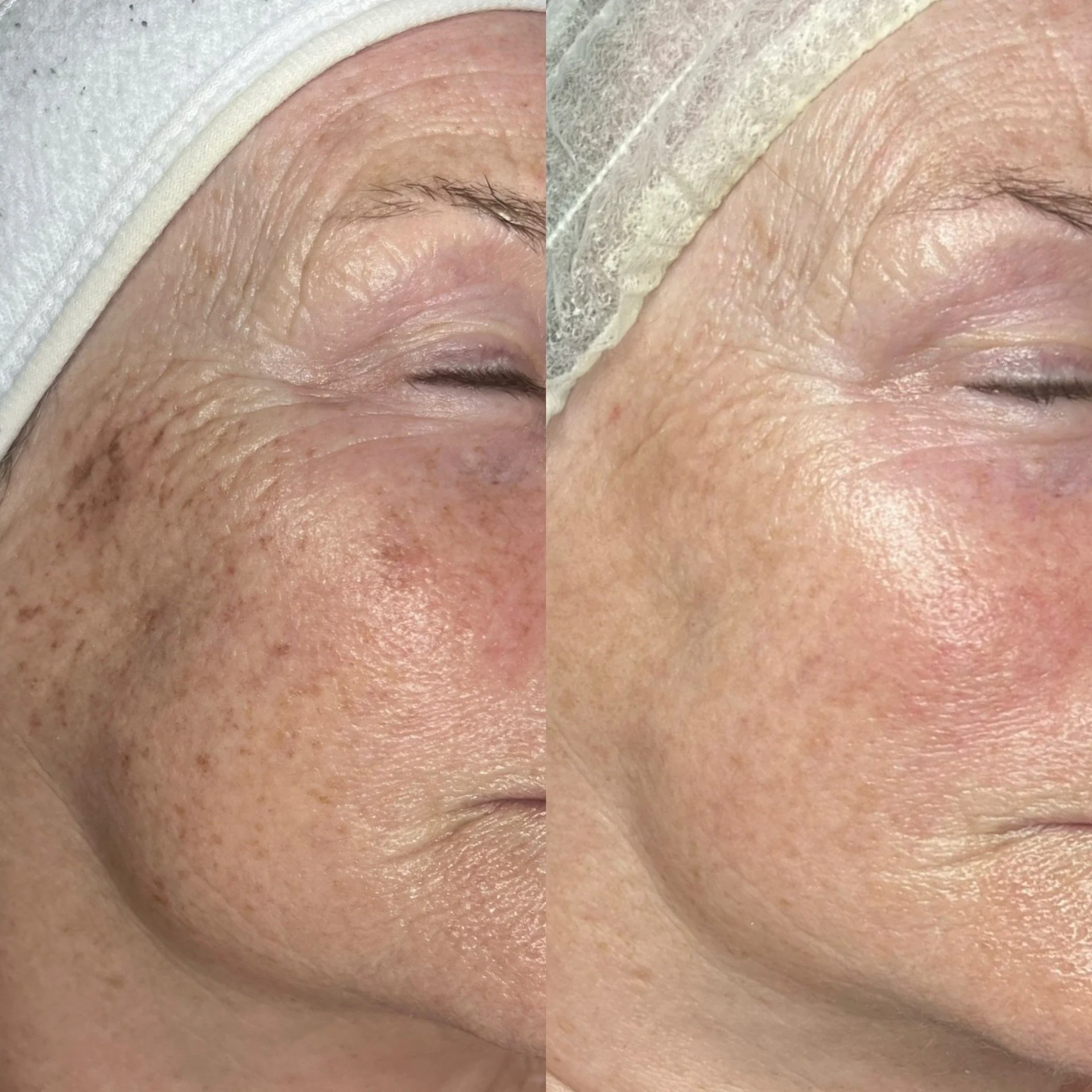
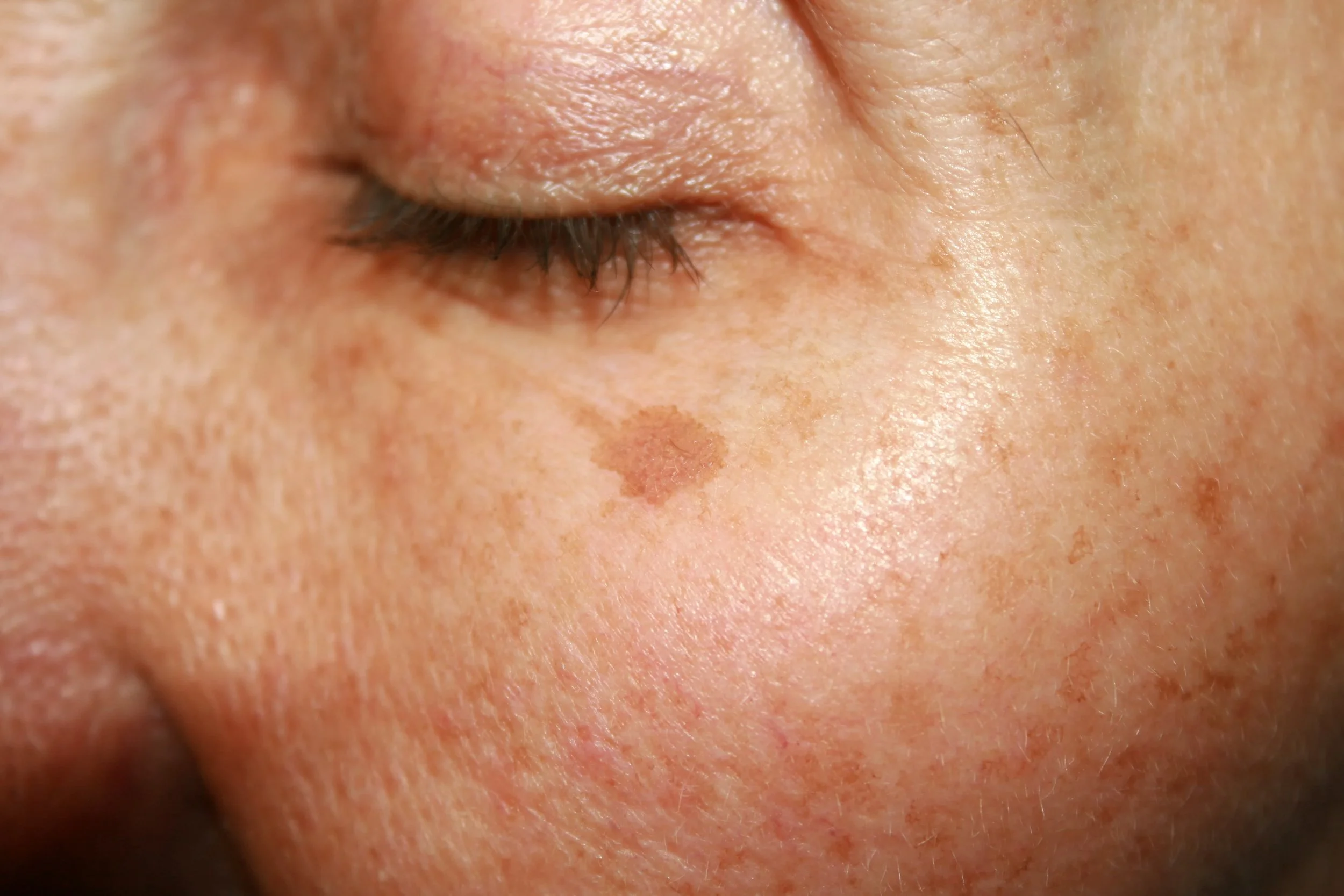
Often referred to as sun or age spots, solar lentigines are flat, brown patches of pigmentation caused by cumulative UV exposure. They commonly develop on areas frequently exposed to sunlight, including the face, chest and backs of the hands. Unlike freckles, they tend to persist even when UV exposure is reduced.
-
Post-Inflammatory Hyperpigmentation (PIH)
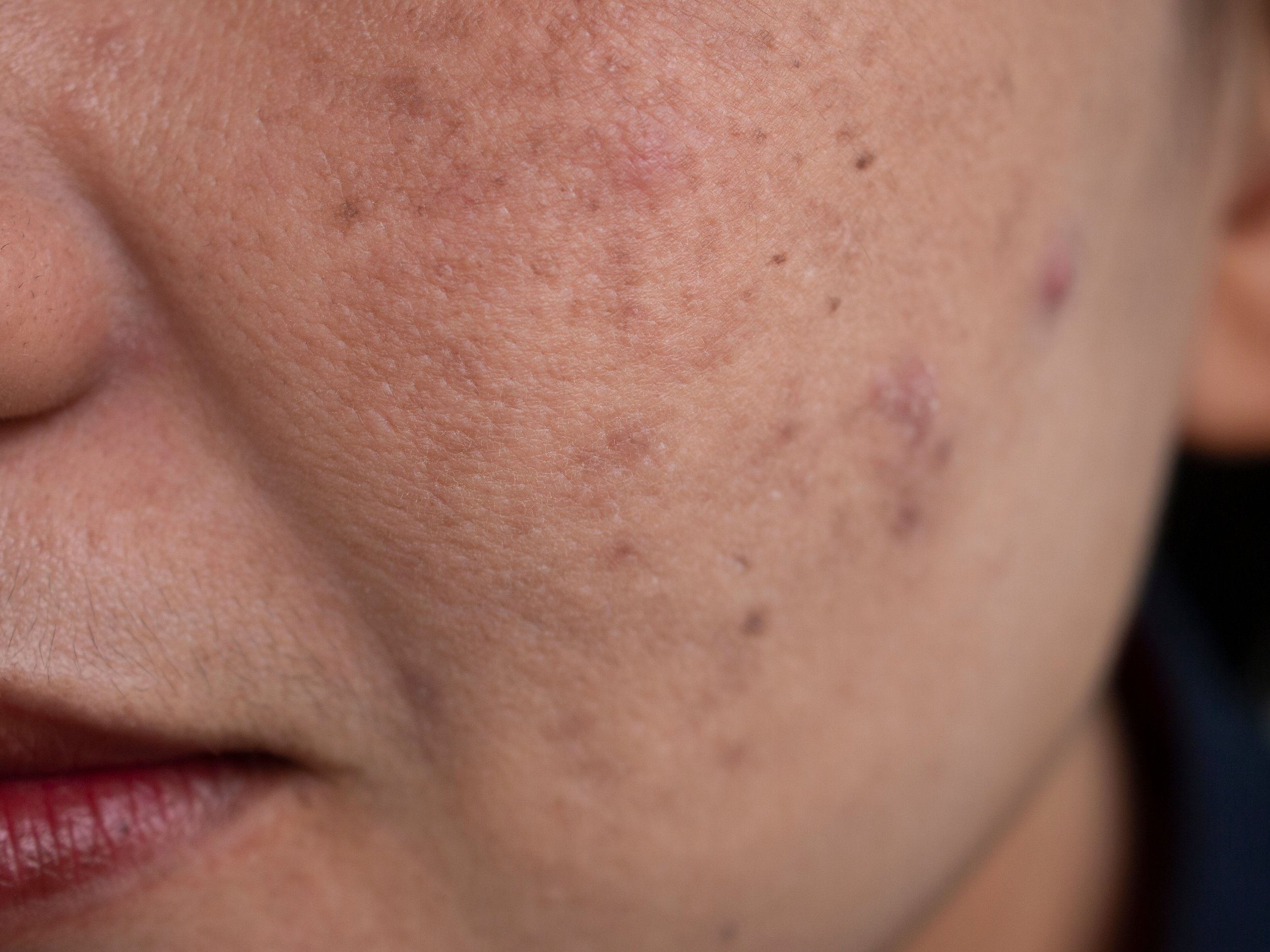
PIH develops following inflammation or injury to the skin, including acne lesions, picking or overly aggressive treatments. This inflammatory response can stimulate excess melanin production, leaving darker marks behind long after the original inflammation has settled.
-
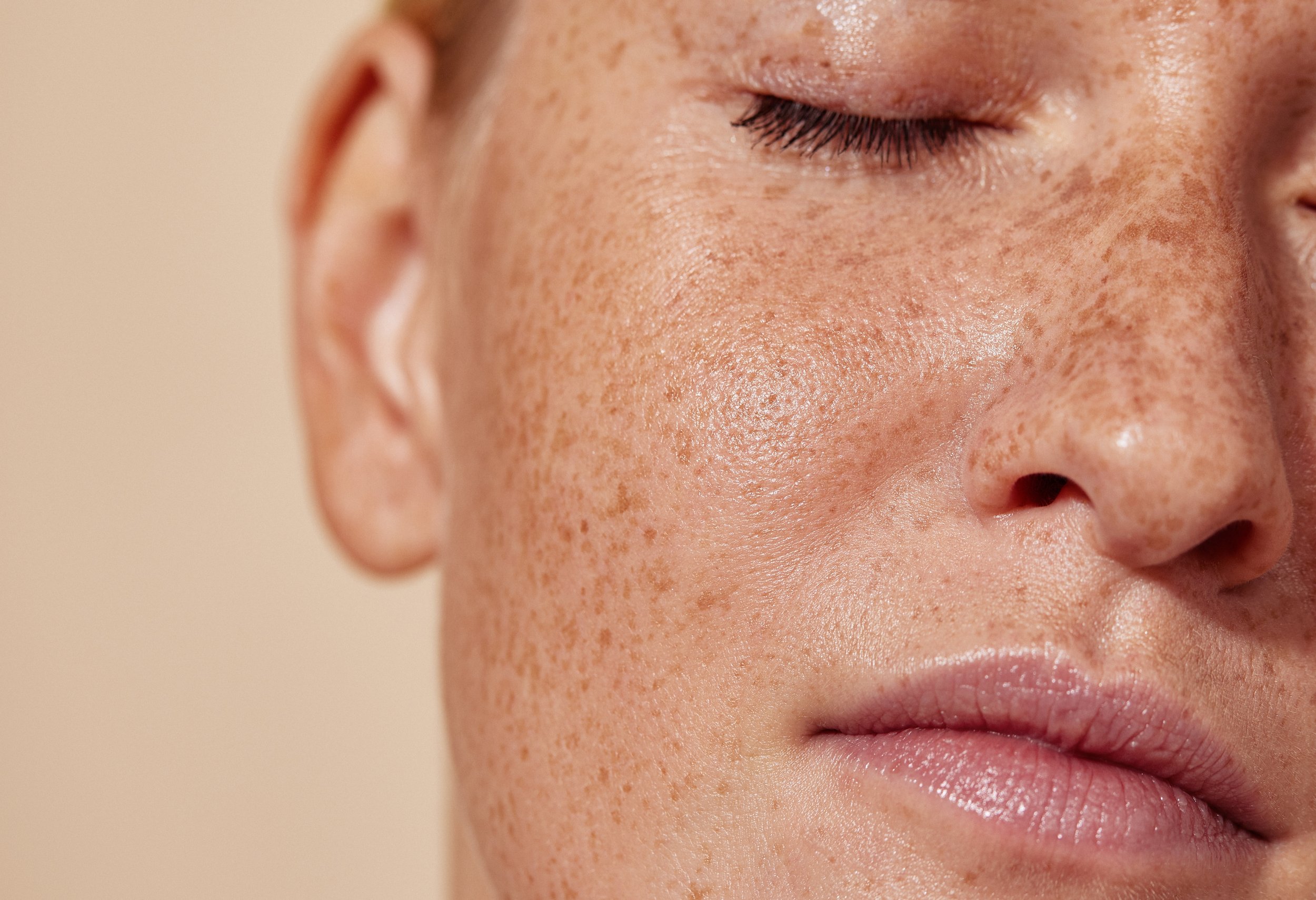
Freckles (Ephelides)
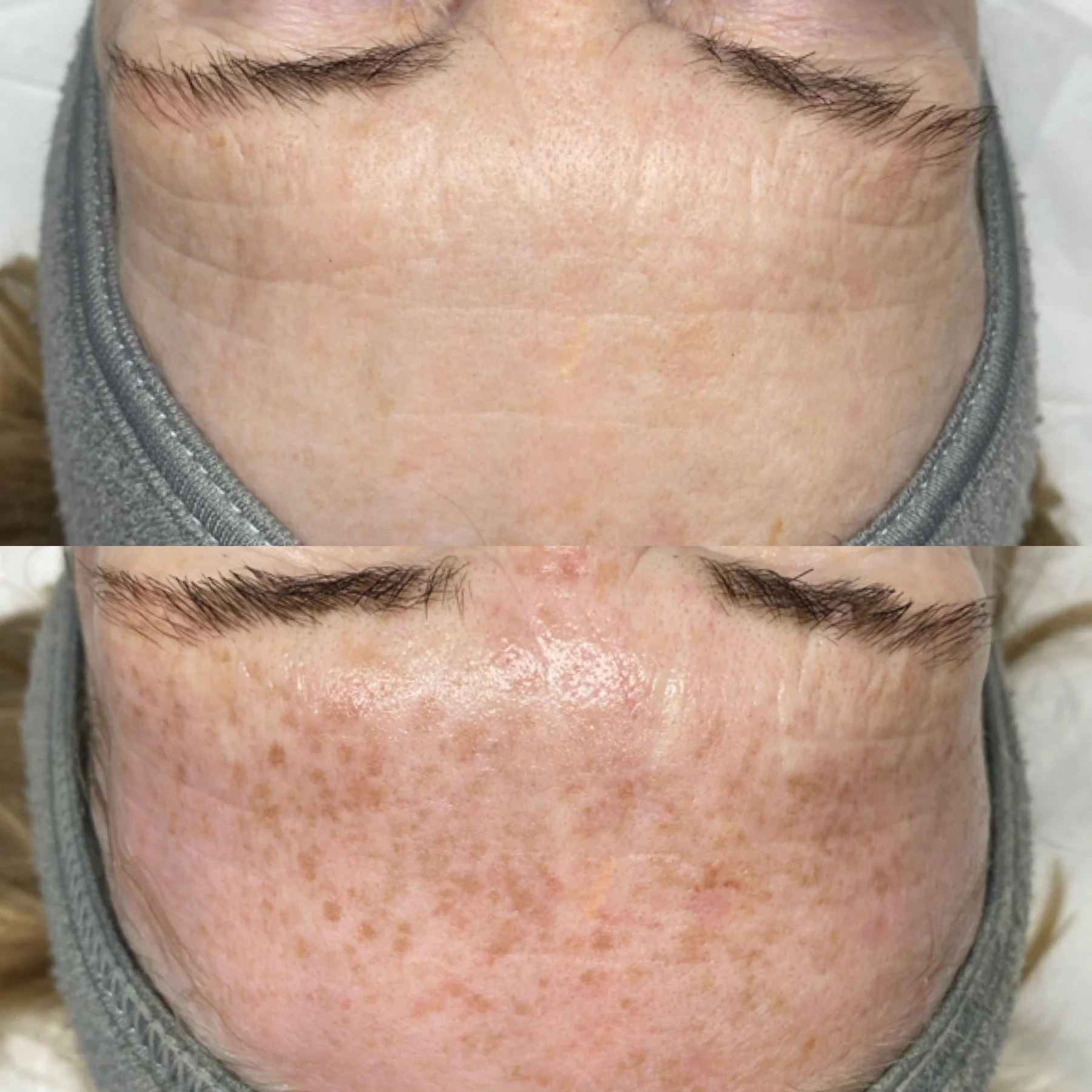
Freckles are small, flat areas of pigmentation influenced by genetics and UV exposure. They are particularly common in those with fair skin and red hair, often appearing during childhood. Unlike solar lentigines, freckles typically darken with sun exposure and fade during periods of reduced UV exposure.
Protecting Pigmentation-prone skin
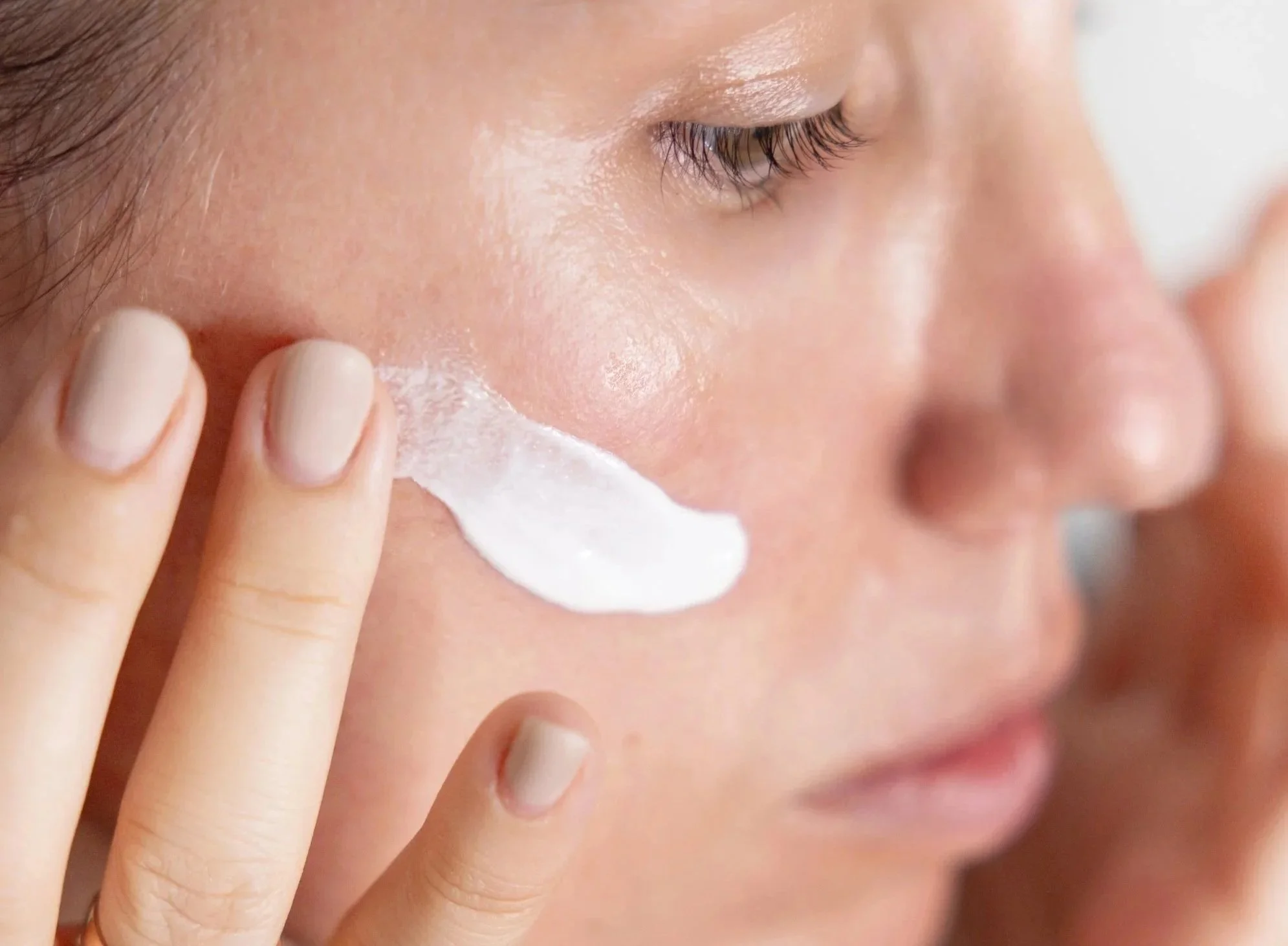
UV exposure is one of the biggest influences on pigmentation, making daily sun protection and being mindful of UV exposure an essential part of managing it.
However, sun protection goes beyond SPF. Maintaining a healthy, resilient epidermal barrier is also important in supporting the skin's natural defence mechanisms and its ability to withstand and recover from environmental stress, including UV exposure.
Our approach focuses on strengthening and supporting this protective layer, alongside sensible sun habits. Limiting excessive UV exposure and taking additional precautions, such as wearing a hat during periods of higher UV, can be just as important as what we apply to the skin.

How Can We Help?
The first step is understanding what type of pigmentation you have and what may be driving it.
We recommend starting with a Skin Health Consultation, where we assess your skin, its history and potential internal and external influences. We also use our Observ 520x skin imaging system, allowing us to visualise pigmentation beneath the surface that may not yet be as apparent to the naked eye.
Rather than repeatedly stripping or resurfacing the skin in an attempt to remove pigment, our focus is on supporting and strengthening the epidermal barrier, improving overall skin health and helping to regulate melanocyte activity.
Where appropriate, treatments such as IPL or microneedling may form part of your individual treatment plan. The treatment we recommend will depend on the type and depth of pigmentation, your Fitzpatrick skin type and overall skin health, ensuring we choose the safest and most appropriate approach for your skin.
Pigmentation can take time to manage and there is no one-size-fits-all solution. Our aim is to achieve improvement while preserving the health and integrity of your skin long term.
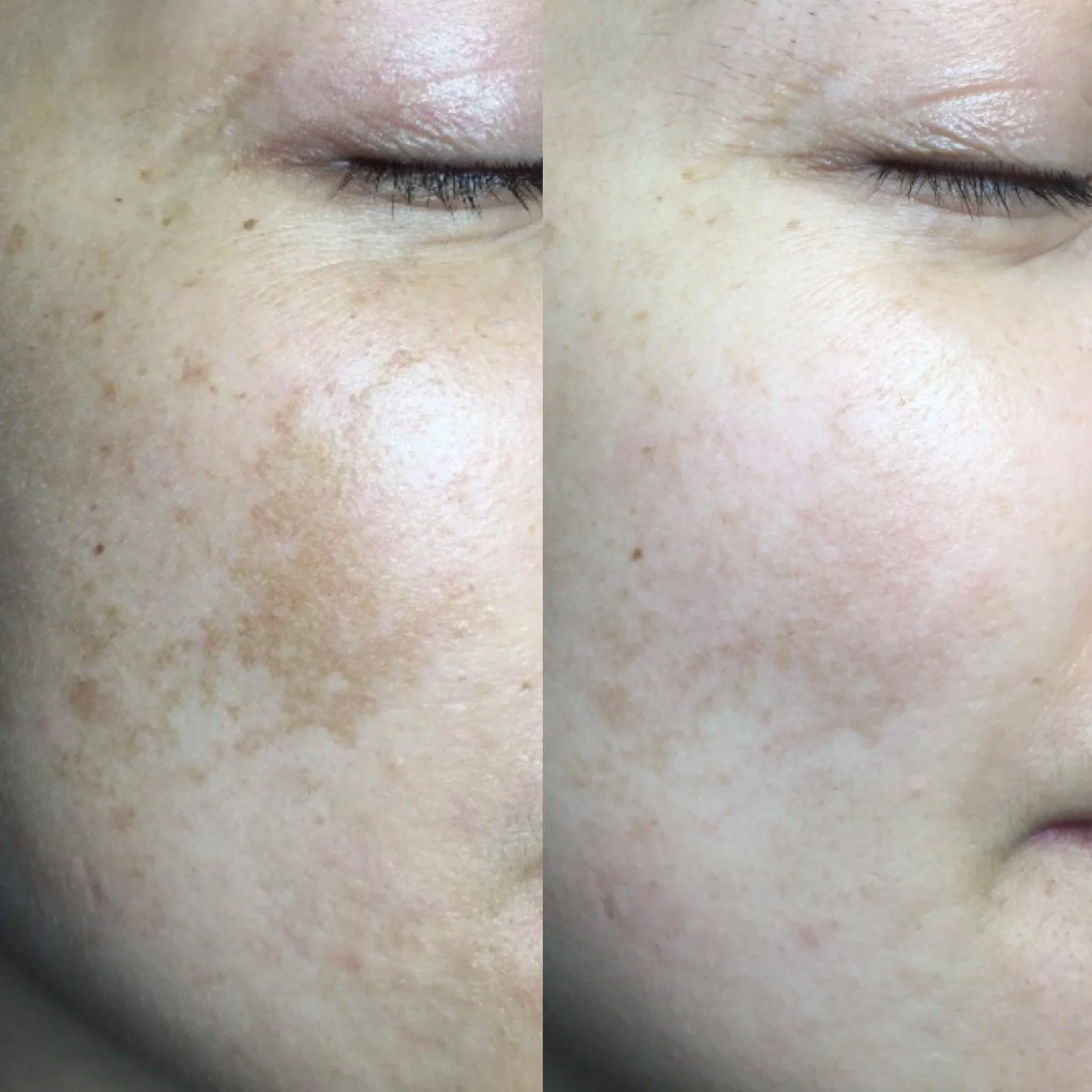
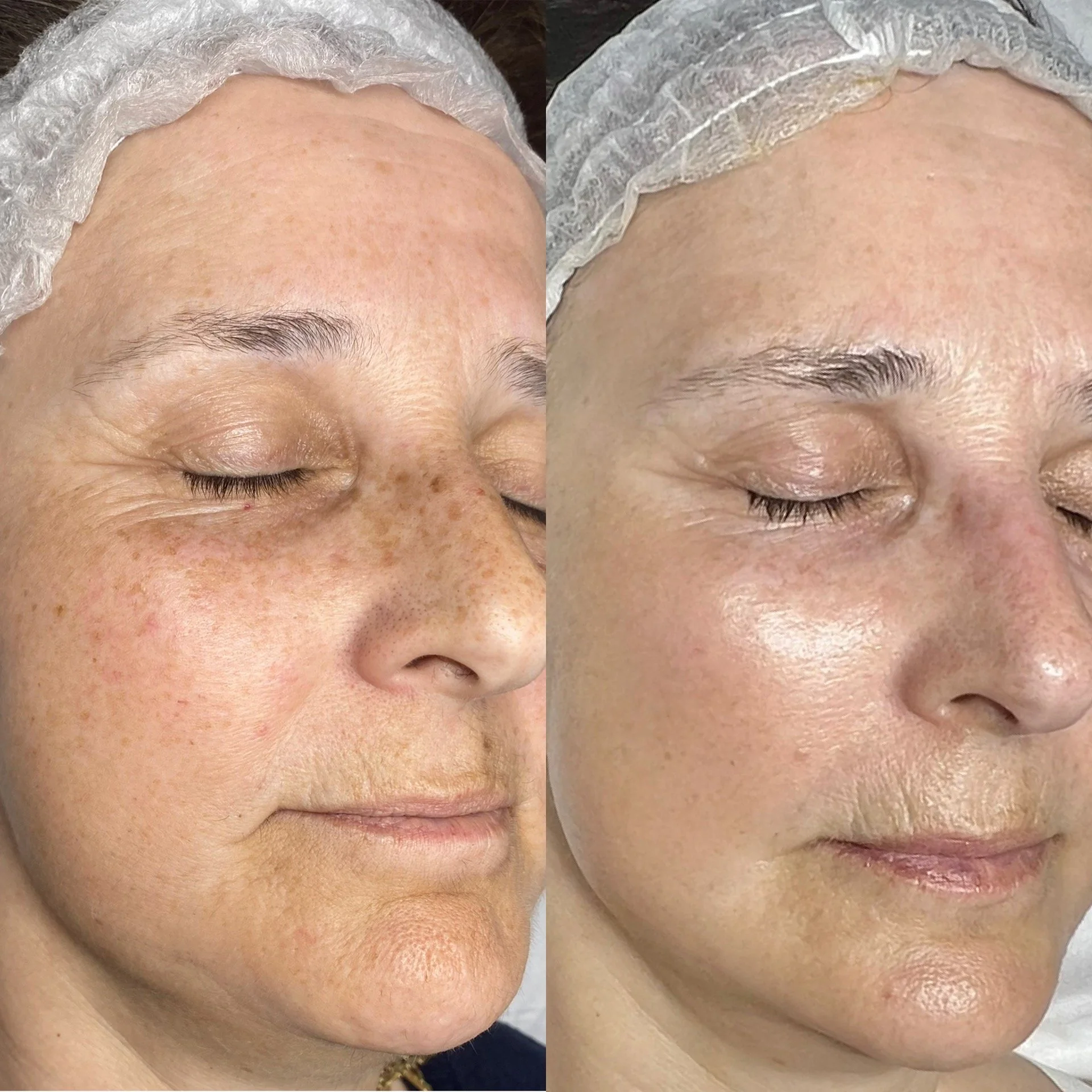
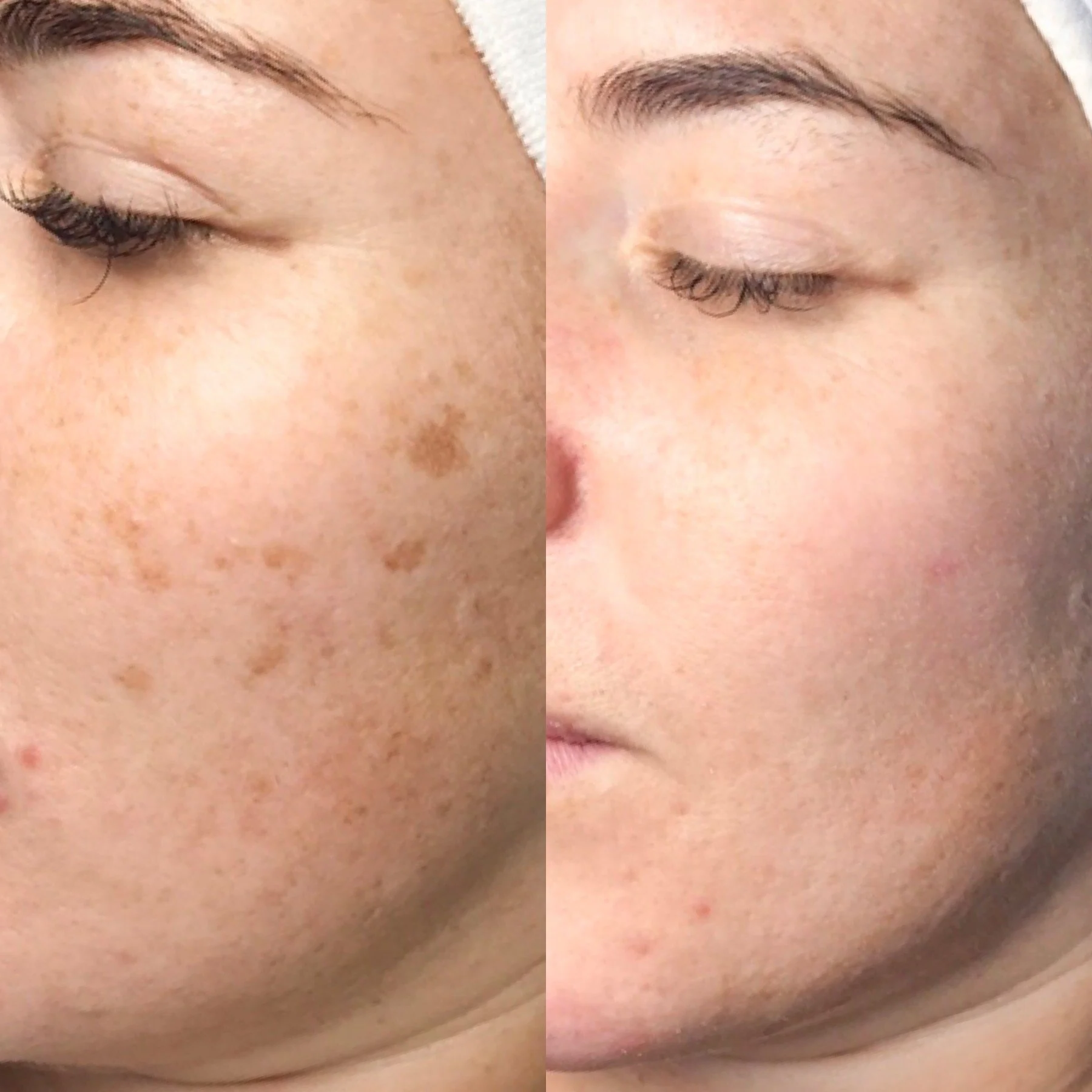
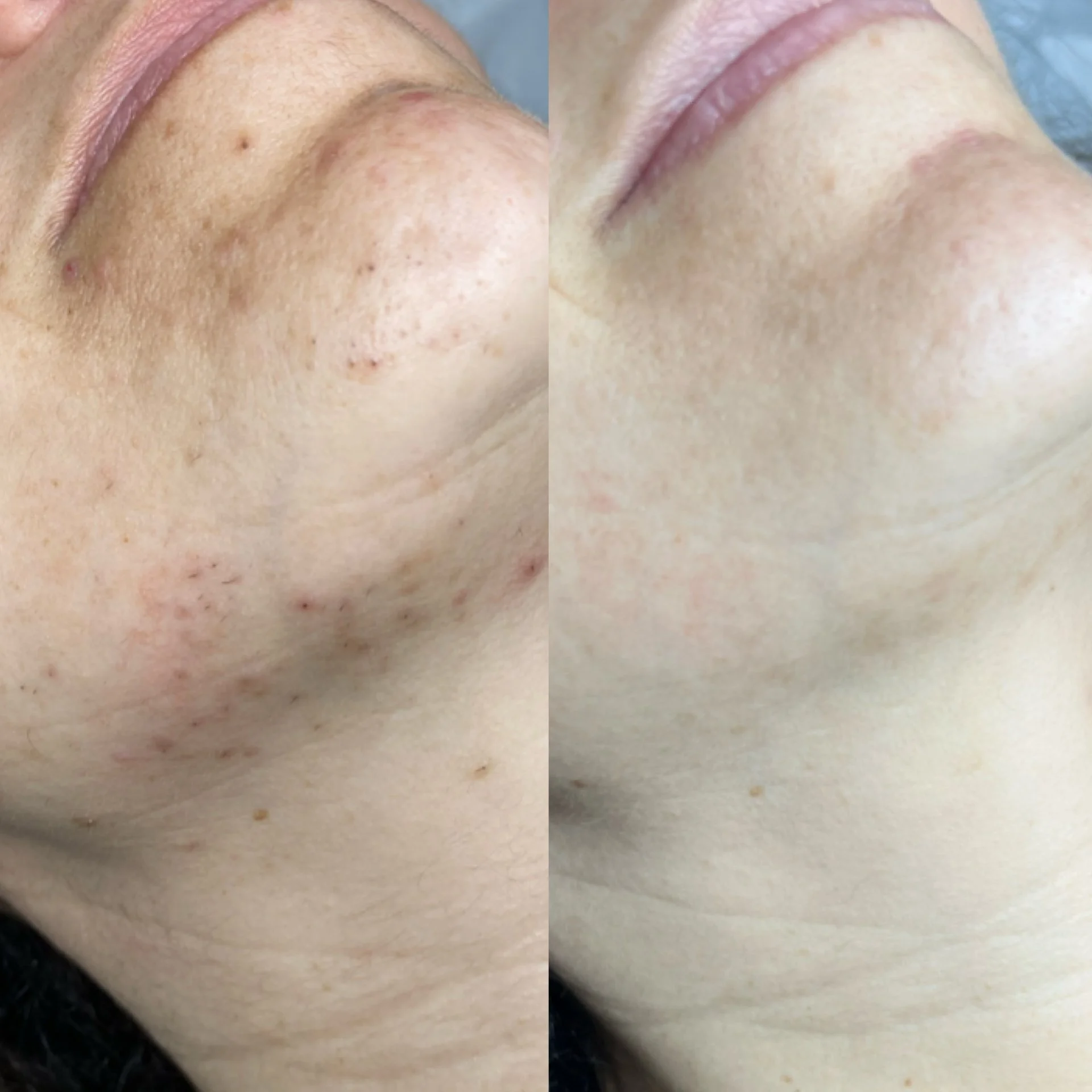
Real Results