Eczema
Helping you understand, manage and navigate Eczema with confidence…
Understanding Eczema
Helping you understand what is happening within eczema skin and why restoring and strengthening the epidermal barrier is so fundamental to managing it long term.
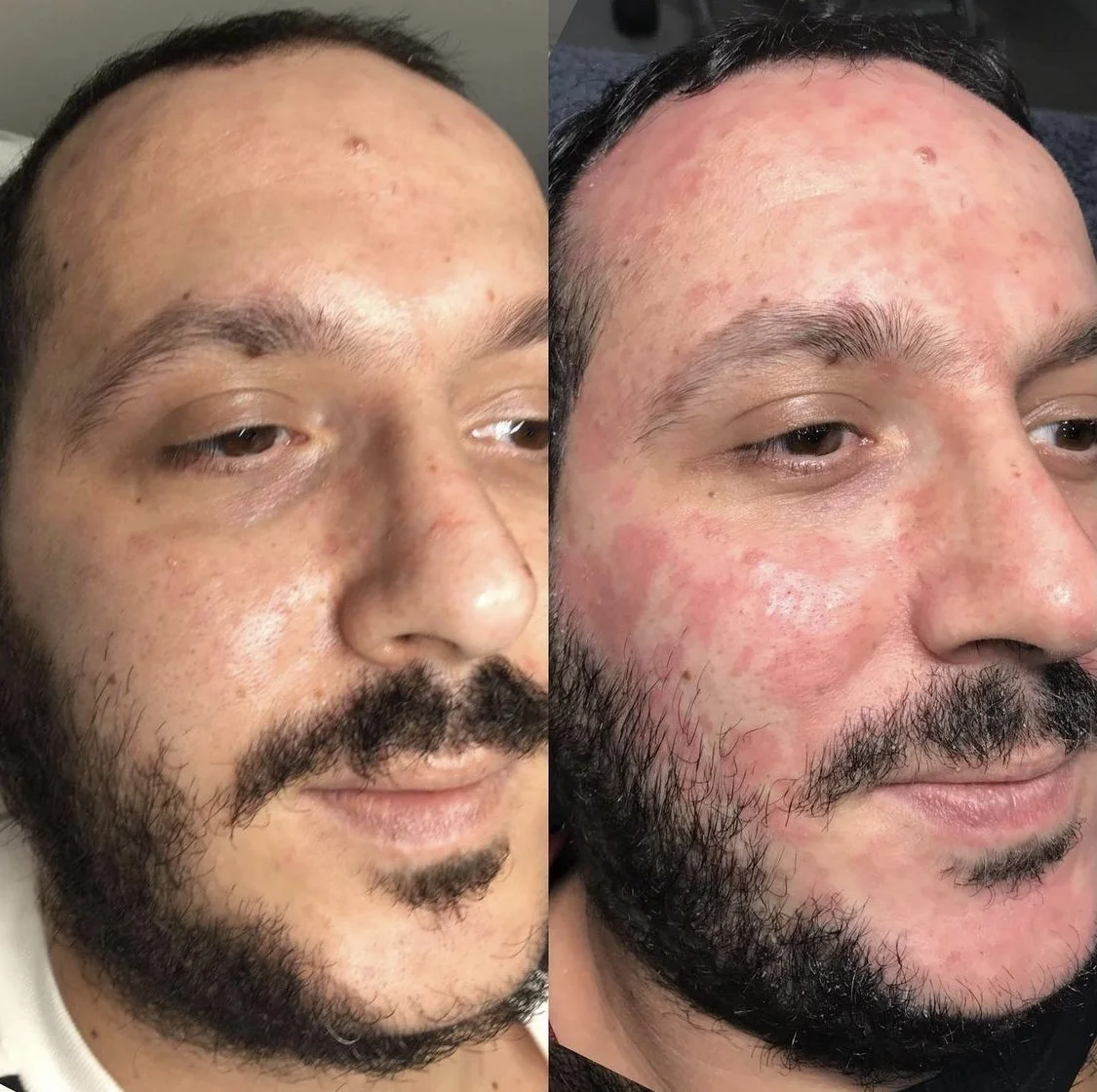
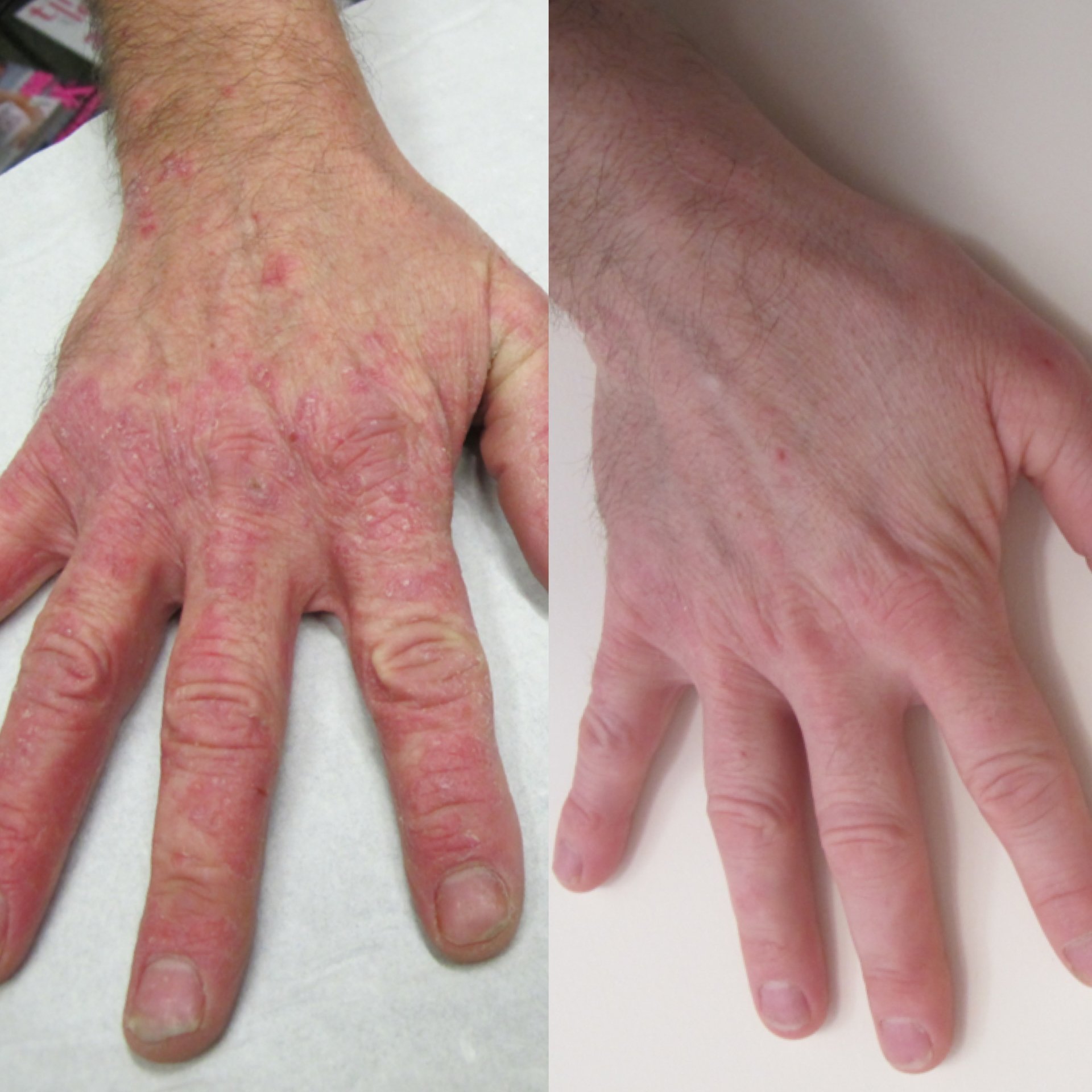
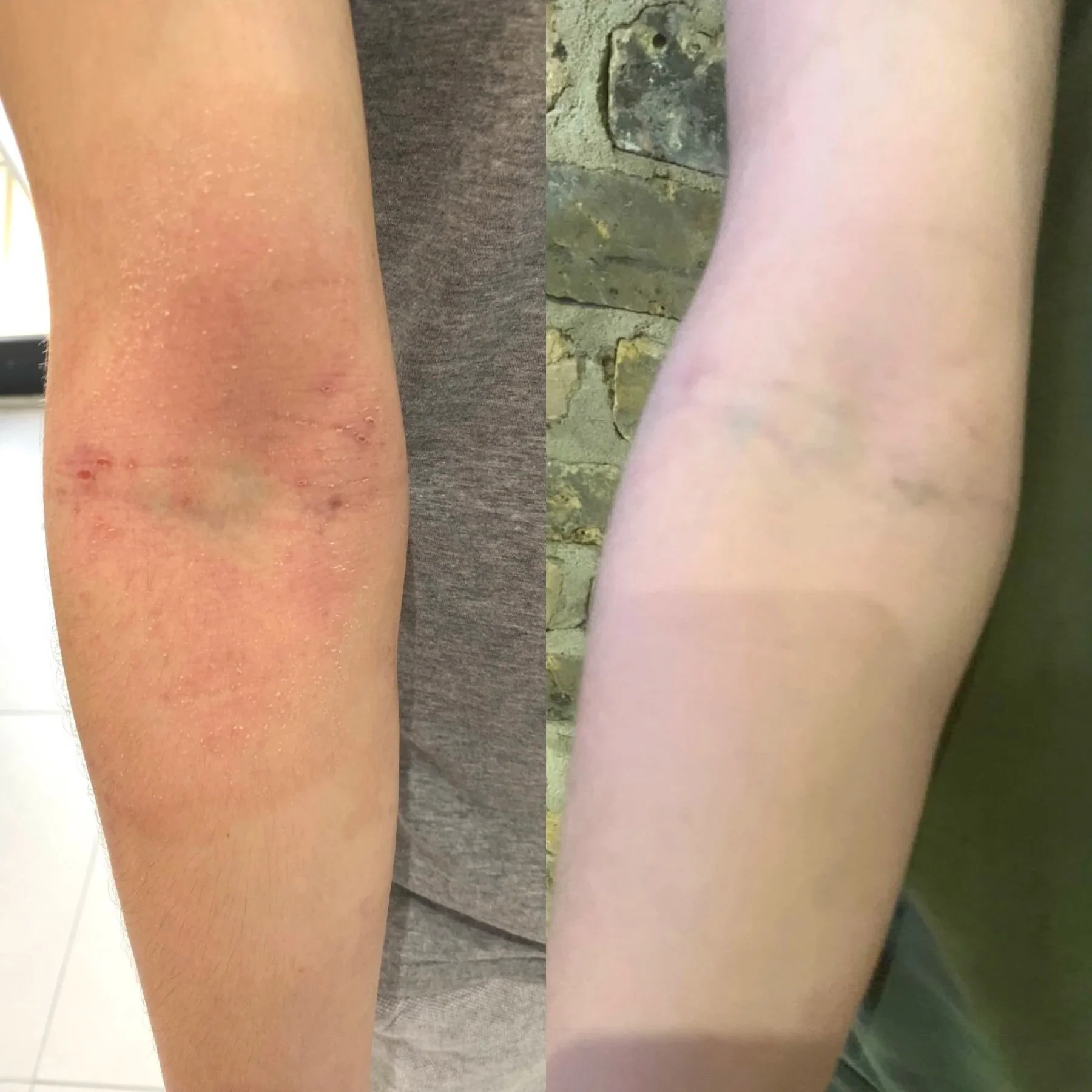
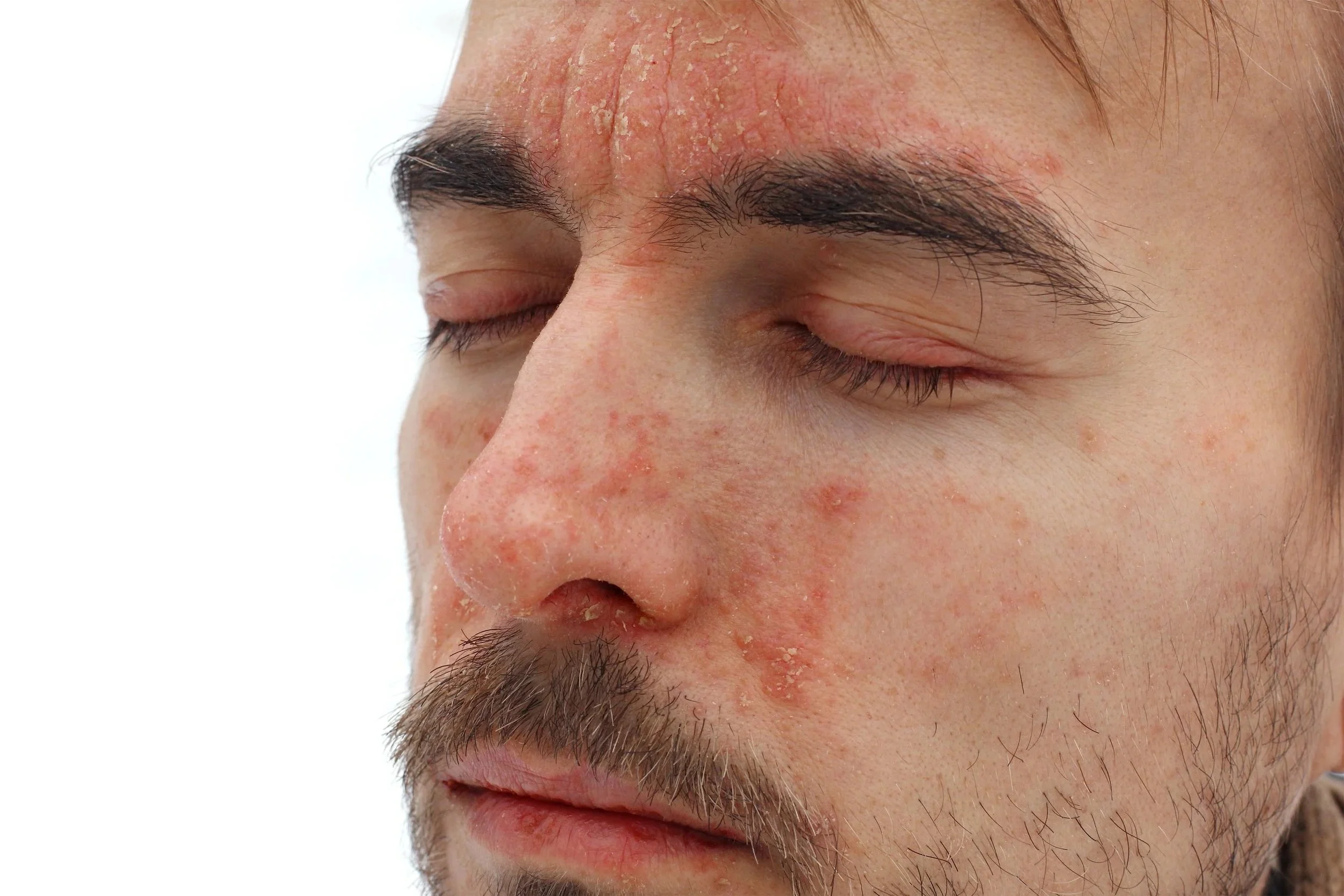
Eczema, also known as atopic dermatitis, is a chronic inflammatory skin condition that can cause dryness, itching, redness, sensitivity, flaking and recurrent flare ups.
There is a strong genetic predisposition to eczema, but it is much more complex than simply having dry or sensitive skin. At the heart of the condition is a relationship between a compromised epidermal barrier and an overactive inflammatory response.
For us, understanding what is happening within the epidermal barrier is a really important part of understanding why eczema skin behaves the way it does.
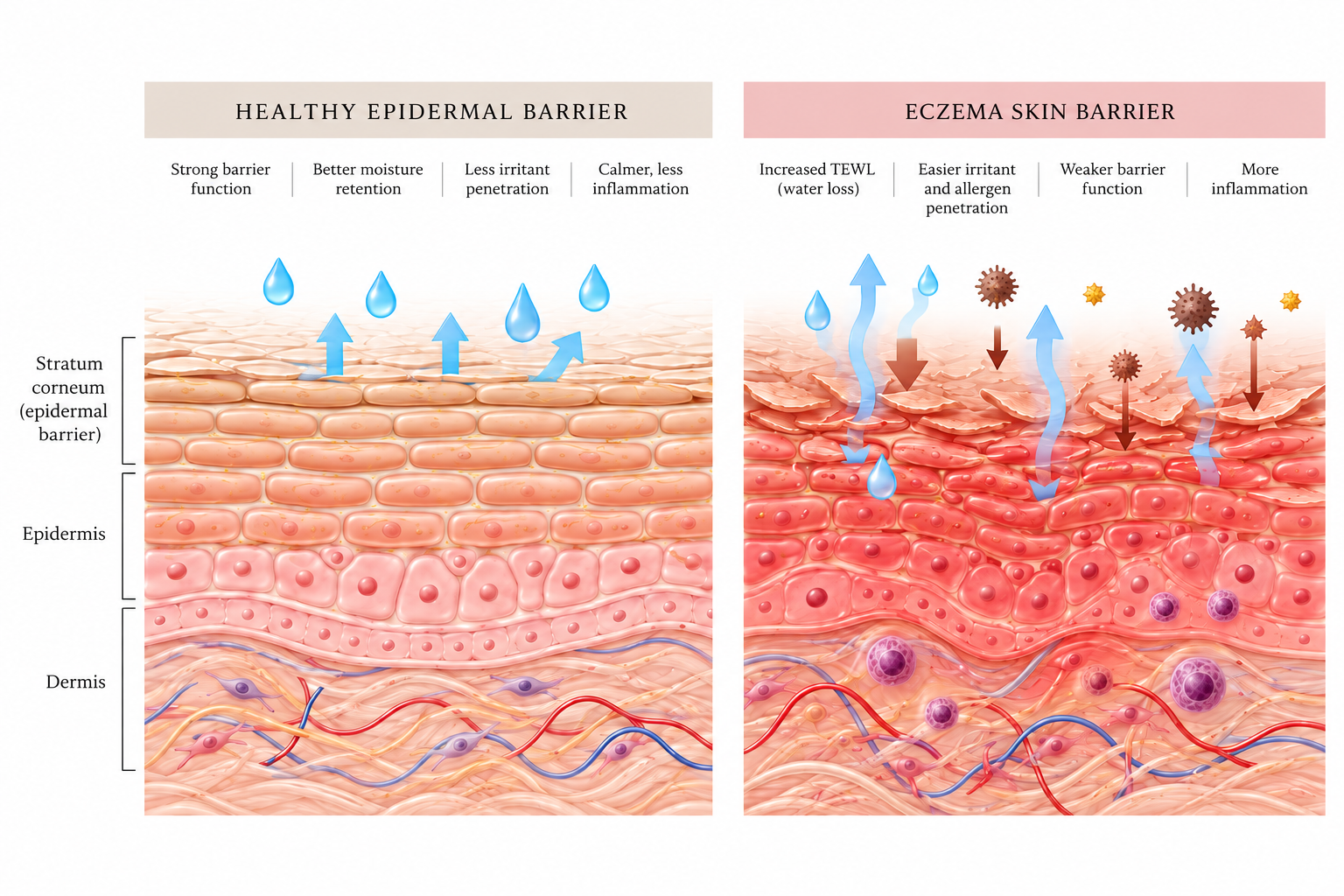
What is happening with Eczema skin?
One of the key proteins involved in maintaining a healthy epidermal barrier is filaggrin.
Filaggrin plays an important role in the structure and integrity of the stratum corneum. Its breakdown products also contribute to the skin's natural moisturising factors, ability to retain water and healthy acidic pH.
Some people with atopic eczema have genetic changes affecting the FLG gene, which can result in reduced or dysfunctional filaggrin. However, not everybody with eczema has this genetic variation. Inflammation itself can also reduce filaggrin within the skin.
When the stratum corneum isn't functioning as effectively as it should, the epidermal barrier becomes more permeable. Transepidermal water loss, or TEWL, increases, meaning the skin loses water more easily while irritants and allergens are able to penetrate more readily.
This can lead to dryness, itching, sensitivity and inflammation. That inflammation can then cause further disruption to the epidermal barrier, creating the cycle we so often see in eczema skin.
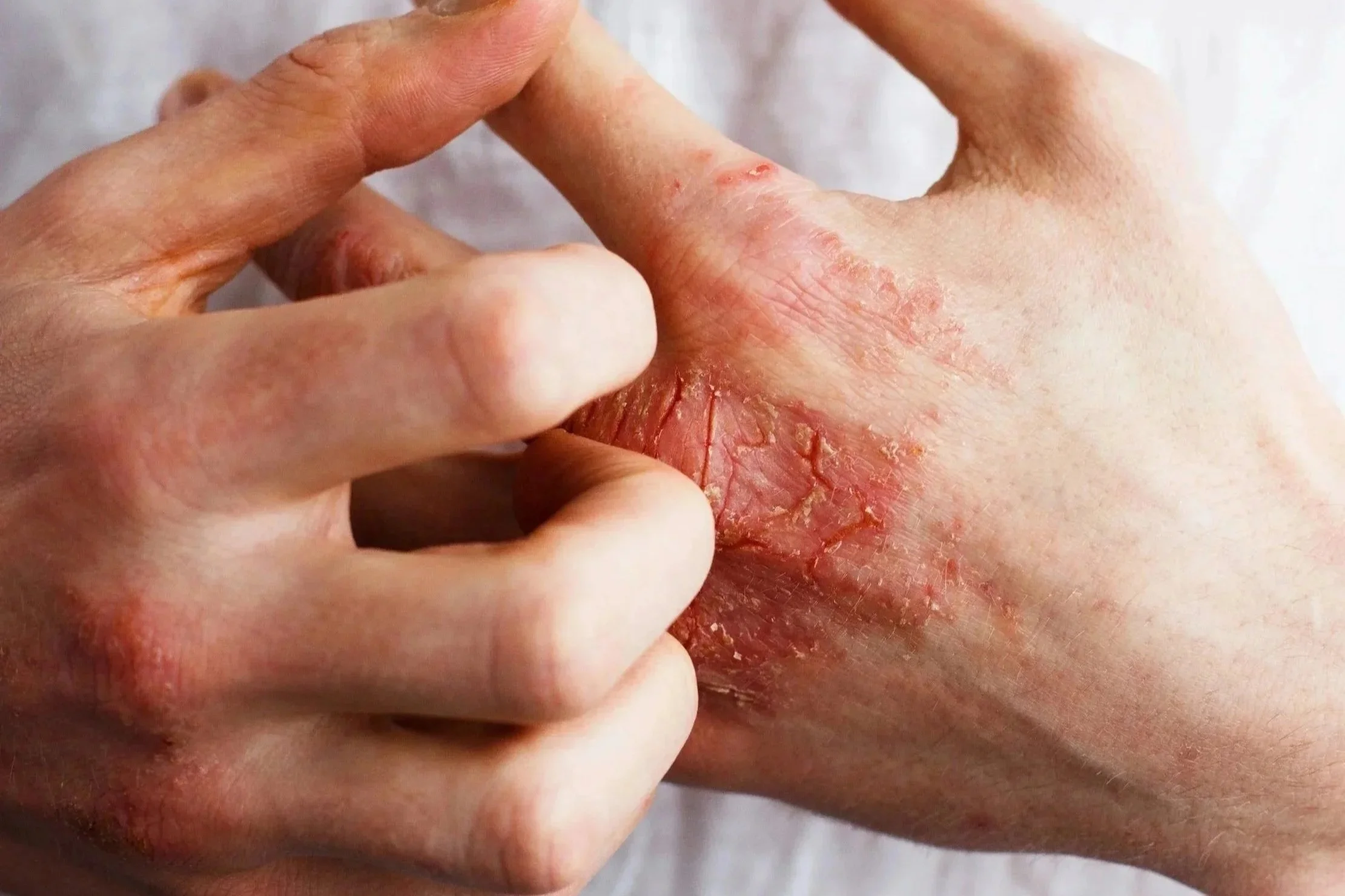
What can influence Eczema?
Although there is a genetic predisposition, eczema is multifactorial and many different things can influence how and when the skin flares.
Climate and temperature changes, allergens, irritants, stress, skincare, repeated washing and individual lifestyle factors can all play a part. Even everyday habits, such as taking hot showers, using fragranced products or exposing the skin to harsh detergents, can contribute to irritation and further compromise an already vulnerable epidermal barrier.
This is why we don't look at eczema as simply something that needs a cream. We want to understand your skin, its history, your individual triggers and what may be contributing to the cycle of inflammation and flare ups, so we can take a more considered and personalised approach to managing it long term.
“With eczema, calming the inflammation is important, but so is understanding why the epidermal barrier is struggling in the first place.”
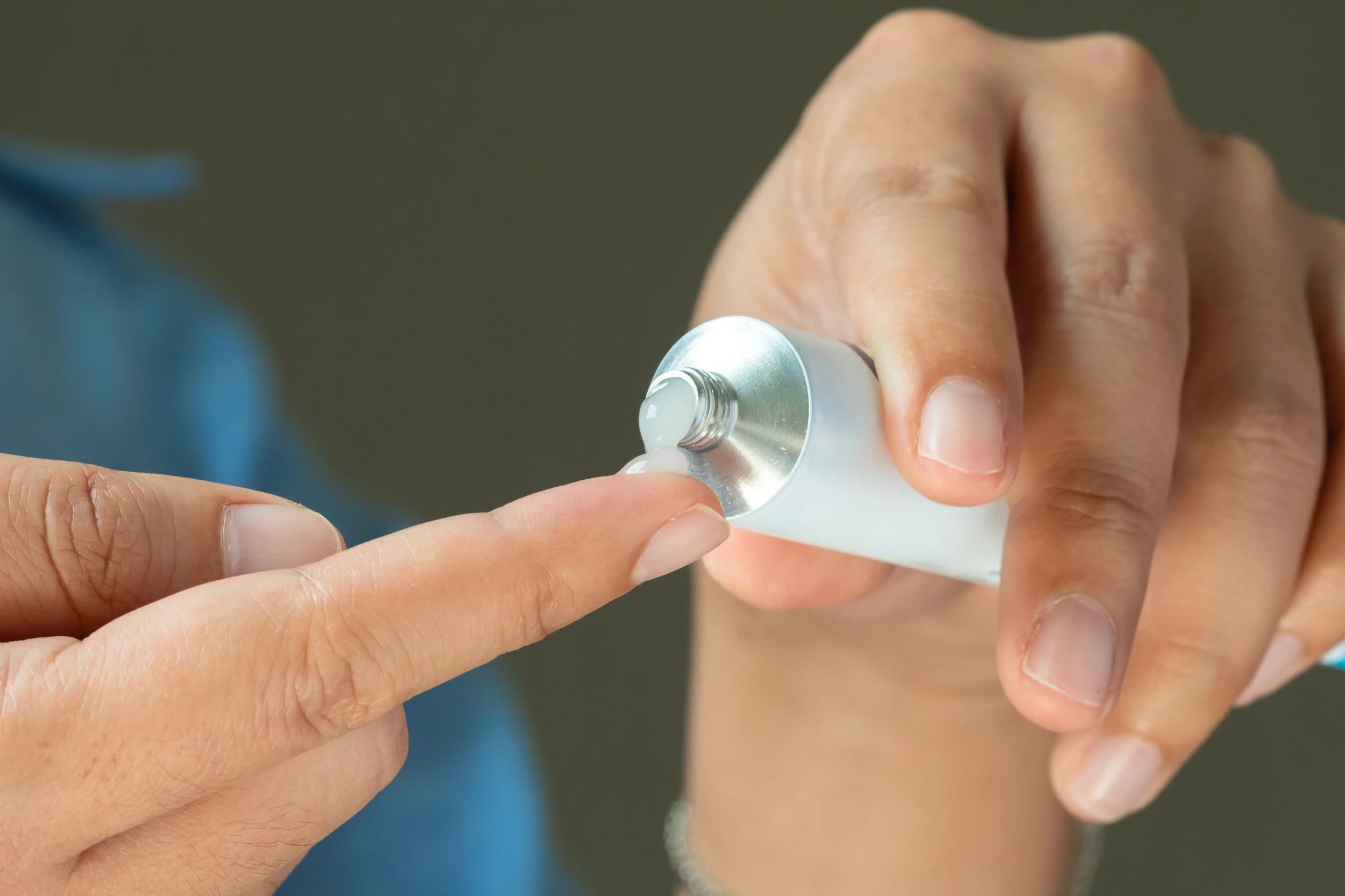
Medical Treatment Vs Our Approach
Topical steroids are commonly prescribed to reduce inflammation and bring eczema flare ups under control. They are generally intended for short periods during active flares, or intermittently where medically advised. However, we regularly see clients who have found themselves using them daily or repeatedly for months and sometimes years.
Prolonged or inappropriate use, particularly of more potent steroids, can contribute to skin thinning and further disruption to an already compromised epidermal barrier.
Topical Steroid Withdrawal (TSW) is a reaction that can occur after stopping topical steroids following prolonged, frequent use. It can cause intense redness, burning, itching, peeling and widespread inflammation, sometimes extending beyond the areas originally treated.
If you are concerned about your steroid use, any changes should be discussed with your GP or dermatologist. We can work alongside your medical care, focusing on supporting and strengthening the epidermal barrier and improving the overall health and resilience of your skin.
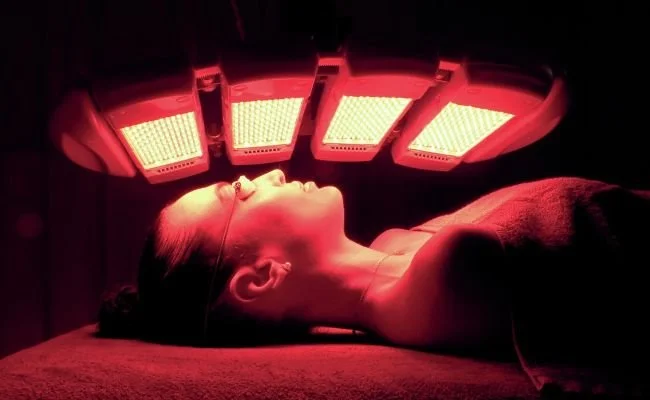
LED Light Therapy & Eczema
LED light therapy is a gentle, non-invasive treatment that can be beneficial when working with sensitive, inflamed and compromised skin.
Specific wavelengths of light interact with cells within the skin, influencing cellular activity and the biological processes involved in inflammation and tissue repair.
At ME, we use the Dermalux Tri-Wave MD, a powerful, medical-grade LED phototherapy device that delivers precise wavelengths of light at controlled therapeutic intensities. Its red and near-infrared wavelengths can help modulate inflammatory responses and support the skin's natural repair processes, making LED a useful addition when managing inflammatory skin conditions.
For eczema-prone skin, we incorporate LED therapy where appropriate to support skin recovery, help manage inflammation and improve overall skin health and function, alongside treatments and skincare focused on restoring the epidermal barrier.
How Can We Help?
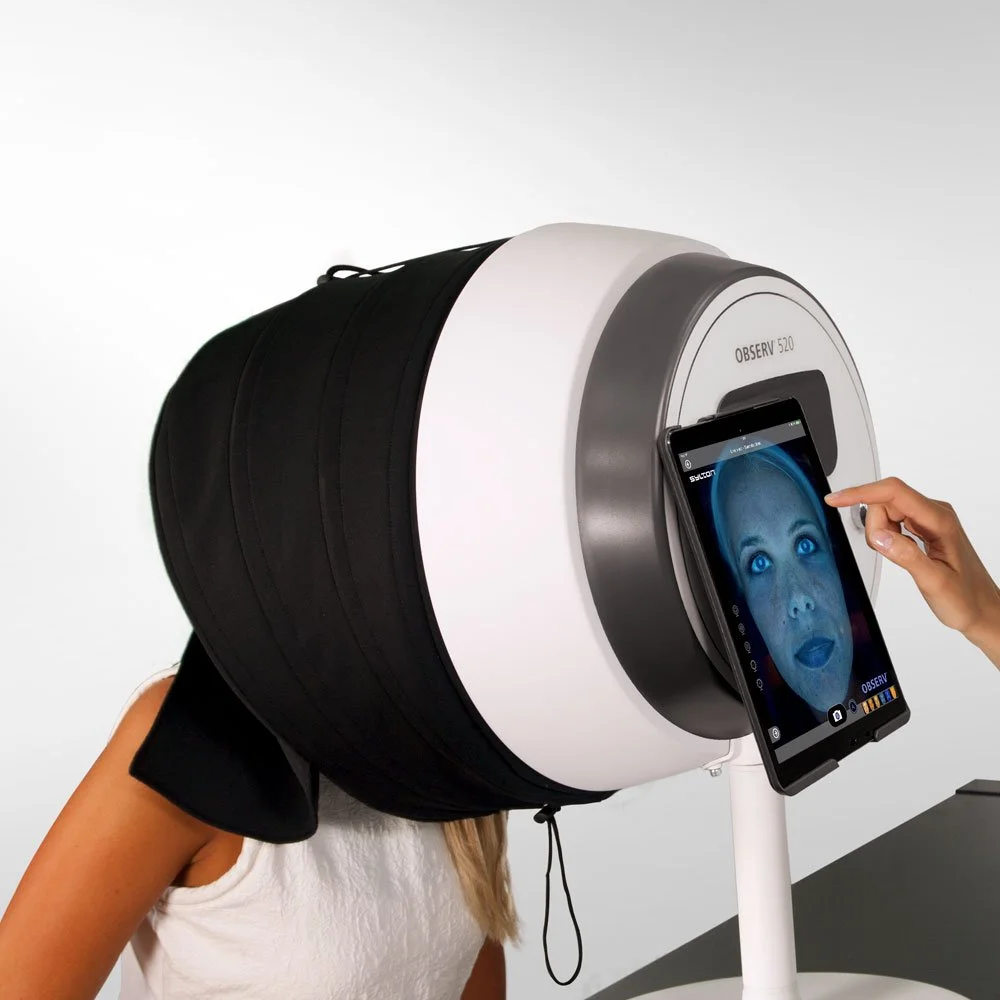
We recommend starting with a Skin Health Consultation, where we take the time to understand your skin, its history, previous treatments, current skincare and the factors that may be influencing your eczema.
Our approach is centered around restoring and strengthening the epidermal barrier, because for us, this is fundamental when managing eczema skin.
We work extensively with Dermaviduals because of its skin physiological, barrier lipid identical formulations, which are designed to closely mimic the natural lipid structure of the stratum corneum. Rather than stripping, exfoliating or overstimulating already compromised skin, our focus is on replenishing what the epidermal barrier is lacking, supporting the stratum corneum and calming inflammation.
We take a 360° approach, looking beyond skincare alone. Where appropriate, this may include targeted skin supplementation, dietary changes and lifestyle factors alongside your treatments and homecare.
There isn't one single answer when it comes to eczema. Our aim is to understand your individual skin and what may be contributing to your flare ups, while helping you build a calmer, stronger and more resilient epidermal barrier long term.
Real Results